Age guide: 4–10 years. Adapt suggestions to your child’s interests, communication and support needs.
Your child gives up their seat, their toy and their turn, then comes home upset. Or a relative asks for a hug and they look at you, waiting to see whether saying no is allowed.
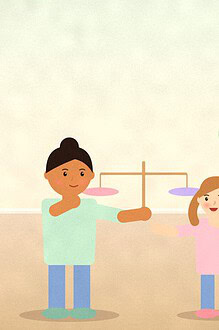
Being considerate should leave room for your child’s comfort and safety. They can learn to respect others while having needs of their own.
1. Make a no a usable answer
Try short phrases: “I’m using this,” “I don’t want a hug,” or “Please stop.” Practise when everyone is calm. A child can also step back, shake their head or use their usual communication method.
Do not require a beautifully polite delivery before you respond to a safety concern. Help first; you can practise wording later.
2. Separate a request from an obligation
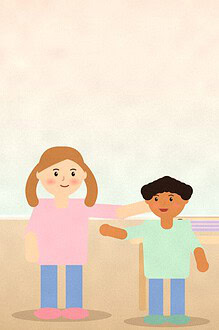
A friend can ask to borrow a favourite item. Your child can decline. A relative can offer affection. Your child can choose a wave or greeting instead.
There are still adult responsibilities and household limits: keeping someone safe, attending school or taking turns with shared equipment may need a clear adult plan. Explain the specific reason rather than calling every refusal selfish.
3. Show that boundaries go both ways
When another child says stop, help your child stop. When someone declines a hug, respect the answer. A useful family rule is: “We listen when someone says they need space.”
AAP guidance on body boundaries supports children’s right to refuse unwanted affection. Back your child up so the words you teach actually work in family life.
4. Offer an alternative only when it fits
- “I’m keeping this drawing. We could make another together.”
- “I don’t want to play chase. I can play blocks.”
- “No hug today. Hello!”
An alternative can be friendly, but it is not a fee your child must pay for saying no. If they need to leave an uncomfortable situation, they do not have to keep negotiating.
5. Be the adult who helps the limit hold
If someone keeps pushing, step in: “They said no. We’re giving them space.” Avoid laughing it off or telling your child to comply just to protect an adult’s feelings.
For repeated pressure or mistreatment at school, involve the appropriate staff. Do not leave a child to solve a persistent power imbalance with a better sentence.
6. Notice honesty as well as helpfulness
“You told me you needed a break” deserves a warm response, just as “You helped your friend” does. Your child should not have to be endlessly agreeable to feel valued.
Try the same thing yourself. A calm “I can help after I finish this” shows that care and limits can live in the same sentence.