A simple song about body parts, a few silly movements, and a group of children copying along as best they can. Copy Me is about as basic as an activity gets, and also genuinely effective at building body awareness and coordination in very young children.
What you need
Nothing but your own voice and body. No equipment needed.
How to play
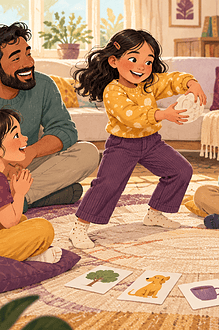
Stand in front of the children and sing a simple, repetitive song that names different body parts while you move them, touch your head, stamp your feet, clap your hands, wiggle your fingers. Encourage the children to copy each movement as you go, singing along if they can manage the words. Keep the pace unhurried enough that younger children, and children with disabilities, can keep up, and repeat favourite verses rather than always moving on to something new.
Variations
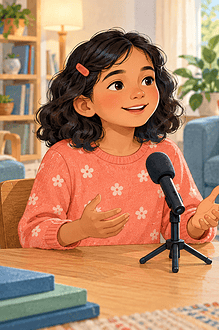
Let an older child lead the song and movements instead of an adult, which both gives them a genuine leadership moment and often produces movements and ideas an adult wouldn’t have thought of.
Dramatise a story instead: rather than a body-parts song, act out a simple fairy tale or made-up story together, assigning each child a role, a tree, a wind, a character, and using movement and sound rather than spoken dialogue for younger children who find long sentences hard to manage.
Safety notes
Keep movements simple enough for the youngest child in the group to attempt, even if older children add flourishes of their own, and make space for a child with a physical disability to participate in whatever way works for them, perhaps naming the body part while someone else demonstrates the movement.
Why it works
Imitation is one of the primary ways very young children learn almost everything, language, movement, social behaviour, so an activity built entirely around copying is working with a child’s natural learning process rather than against it. It also quietly builds body awareness, knowing where your own hands, feet, and head are and how to move them on command, which is a genuine developmental skill, not just a fun few minutes.
There is a nice, low-key rhythm to an activity like this: no winning, no losing, just a group moving together and getting gradually sillier as the song repeats. That shared silliness tends to do more for a group’s sense of belonging together than almost any more structured activity could.