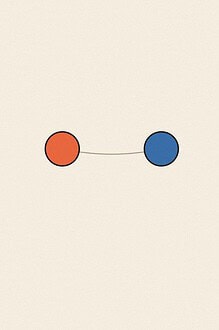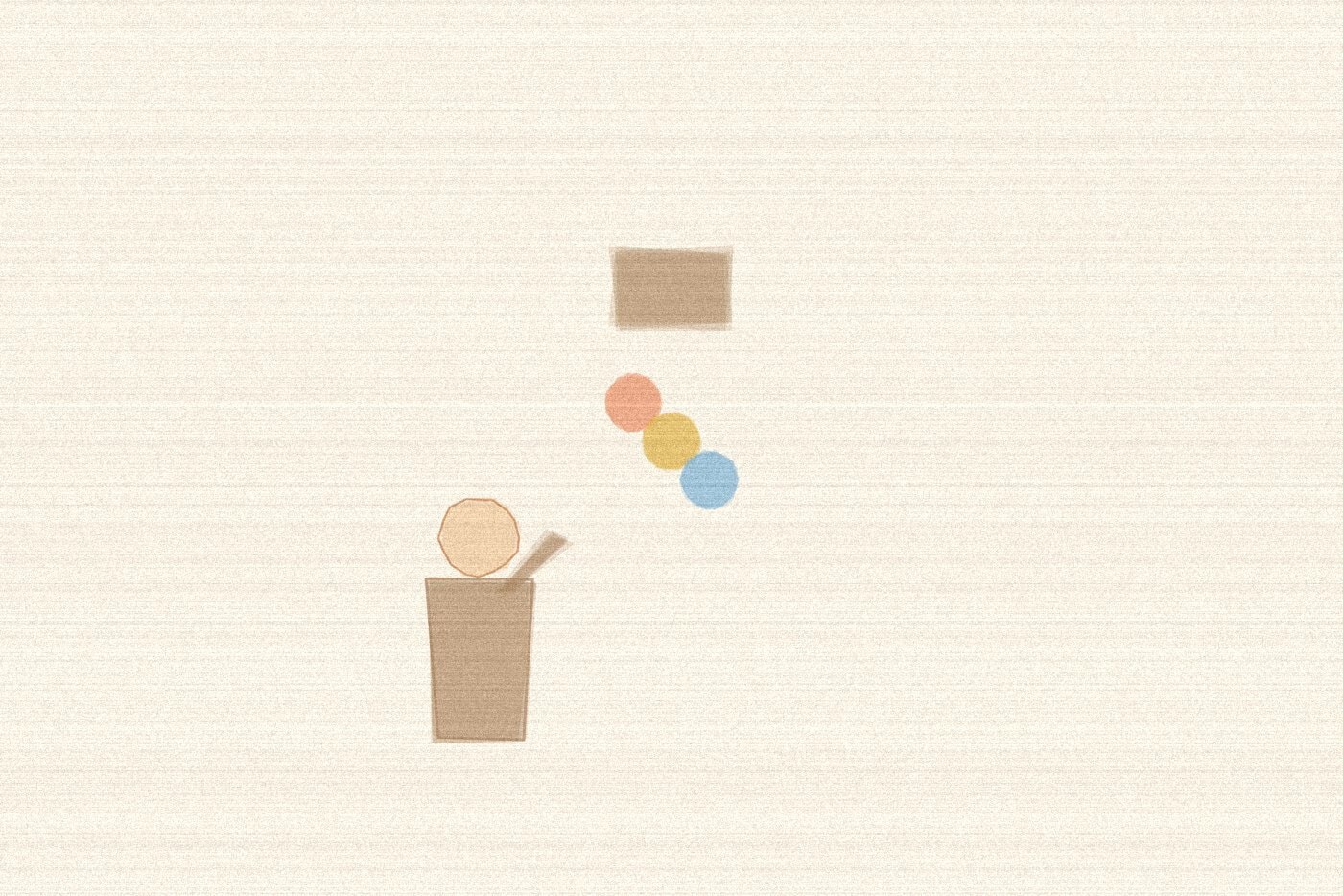
A string of colourful beads laid just out of reach, and a baby discovering, often for the first time, that pulling a string makes the whole thing move toward them. The Reaching Game is built for the earliest stage of play, well before a baby can sit up or crawl, and it does real developmental work in just a few minutes.
What you need
A few beads or small, safe objects of different colours and sizes, threaded securely onto strings (tie the ends firmly so nothing comes loose). Alternatively, a simple home-made mobile hung where a baby can see and eventually reach it.
How to play
Lay one of the strings of beads out in front of where your baby is sitting or lying, within sight but just out of their immediate reach. Show them how pulling the string brings the beads closer. Then hand them the string and let them pull it themselves, narrating what’s happening as they do: “look, it’s coming closer!” Let them explore freely once they’ve got the idea, touching, grabbing, and eventually trying to pull it toward themselves on their own.
For a slightly older baby or young toddler, you can hang a simple mobile made from beads and shapes above where they sleep or lie, giving them something to focus on and reach toward when they’re awake and alert.
Once a child is old enough to handle small objects without mouthing them, stringing beads by colour or shape, and counting them as you go, becomes a good next step, building on the same materials at a more advanced level.
Safety notes
Beads and small objects are a genuine choking hazard for babies and young toddlers, so this activity needs close, constant supervision, strings tied securely with no loose beads, and should stop the moment a baby starts bringing anything toward their mouth. Never leave a baby alone with strung beads or a hanging mobile.
Why it works
Reaching for something, realising an action (pulling the string) produces a result (the beads move), and successfully causing that to happen is a genuinely significant cognitive milestone for a very young baby, not just a cute moment. It is often one of the first times a baby experiences direct cause and effect under their own control.
This is a small activity, a few beads, a bit of string, a handful of minutes, but it sits at the very start of a long chain of learning: understanding that your own actions change the world around you. Everything that follows, from stacking blocks to solving puzzles, builds on that same basic discovery.