Some children love a room singing their name. Others dread the noise, surprise, crowd or expectation to smile while everyone watches. A quiet birthday is not a failed party. The best celebration matches the child rather than an adult picture of what a birthday should look like.
Ask what celebrating means to this child
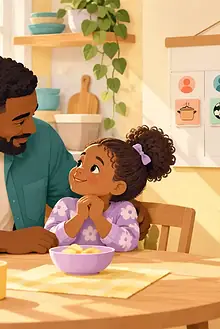
Offer concrete choices: one friend or several, home or outdoors, cake or another food, singing or no singing, wrapped gifts or gifts opened later. Younger children can point to pictures. A child who uses AAC can choose from symbols. Do not ask a question so broad that it becomes another burden.
A preference may change. Confirm again close to the day and explain which parts are fixed, such as the date or venue booking.
Map the sensory load
Consider sound, lighting, smells, clothing, food textures, touch and the number of people moving around. NHS guidance for autistic children recommends managing light and noise, keeping familiar routines where possible and preparing changes. These approaches can also help children who are not autistic but find parties overwhelming.
- Choose a quieter time or smaller room.
- Replace balloons that may pop with paper decorations or fabric bunting.
- Keep music low and optional.
- Offer familiar food without requiring a taste.
- Allow comfortable clothing instead of a special outfit.
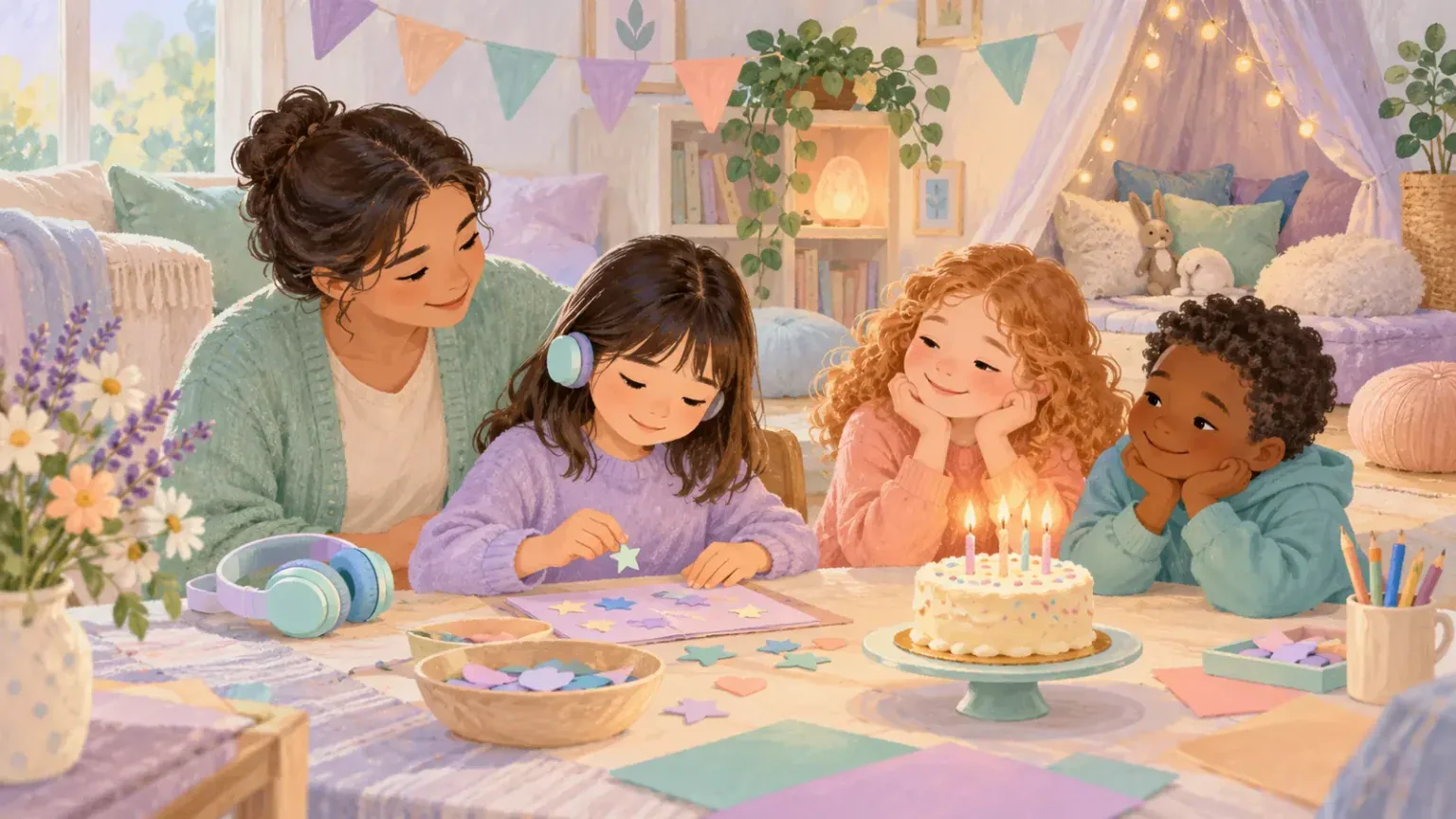
- Create a calm retreat with headphones, a comfort item and a trusted adult.
Make the sequence visible
Use pictures or a short list: guests arrive, activity, food, optional song, goodbye. Show where the toilet and quiet space are. For a venue, visit beforehand or look at photos. Tell the child what might change, such as a friend arriving late.
Keep the event shorter than the child’s maximum endurance. Ending while things remain manageable is often better than stretching toward a conventional two-hour party.
Remove the performance
Do not demand eye contact, a speech, group photos or immediate gift-opening. Ask whether the child wants candles, singing and attention directed at them. A quiet candle with one caregiver—or no candle—is still a birthday.
Prepare guests: “We are keeping the celebration calm. Please do not insist on hugs, photos or opening your gift now.” The guidance on greetings without forced affection can help relatives offer warm alternatives.
Choose an activity with several ways to join
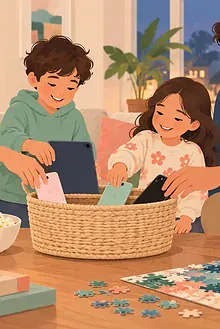
Try decorating cards, a treasure hunt with picture clues, water play, a short film, building, music choices or parallel craft stations. A child can watch before joining, participate seated, take breaks or leave early. Avoid elimination games and sudden loud surprises.
If siblings have different needs, give them a role without making them responsible for regulation. The article on inclusive family traditions without sibling competition offers ways to balance participation.
Plan the exit before distress
Agree on a signal for a break or ending. Identify which adult leaves with the child and who handles guests. If the child becomes overwhelmed, reduce demands, guide them to the calm space and wait until they are regulated before discussing what happened. A meltdown is not bad manners or evidence the celebration was unappreciated.
Handle relatives’ expectations
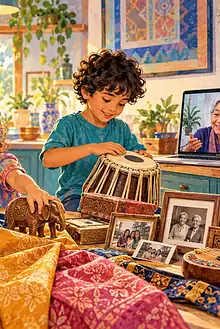
Adults may say the child will “miss out.” Answer simply: “This is the celebration they chose.” Preserve meaningful family elements—food, blessing, story or call—without forcing every person into the same format. The ideas in passing on heritage without pressure apply to birthday traditions too.
Review gently afterward
Later, ask what felt good, what was too much and what to change next year. Do not conduct the review while the child is exhausted. Note successful details for other events.
A birthday can be breakfast with one friend, a favourite walk, a family video call or a quiet craft around a small cake. The measure is not the guest count. It is whether the child could experience belonging without being pushed beyond capacity.