One-to-one time can sound like another expensive item on a parent’s list: a separate outing for every child, every week. It does not have to be. A few predictable minutes of undivided attention inside ordinary life can tell a child, “I notice who you are when nobody else is answering for you.”
Look for the need beneath the request
A child who interrupts a sibling, becomes extra clingy or complains that “you always choose them” may be asking for reassurance, not calculating minutes. Avoid arguing the evidence. Try, “You want some time with just me. Let us find it.”
Children need different amounts and kinds of support. A baby, disabled child or child in crisis may temporarily need more hands-on care. Fairness is not a stopwatch; it is making sure every child has reliable access to connection.
Find ten minutes already hiding in the day
Use the walk to school, washing dishes, a bedtime chat, a bus ride, folding laundry or the first ten minutes after a sibling falls asleep. The American Academy of Pediatrics suggests one-to-one attention can fit daily routines as well as occasional special activities.
Put away your phone if it is safe. Let the child choose between two feasible options: “Do you want to draw together or help me make the snack?” Choice creates ownership without making the parent produce endless entertainment.
Create a visible rotation
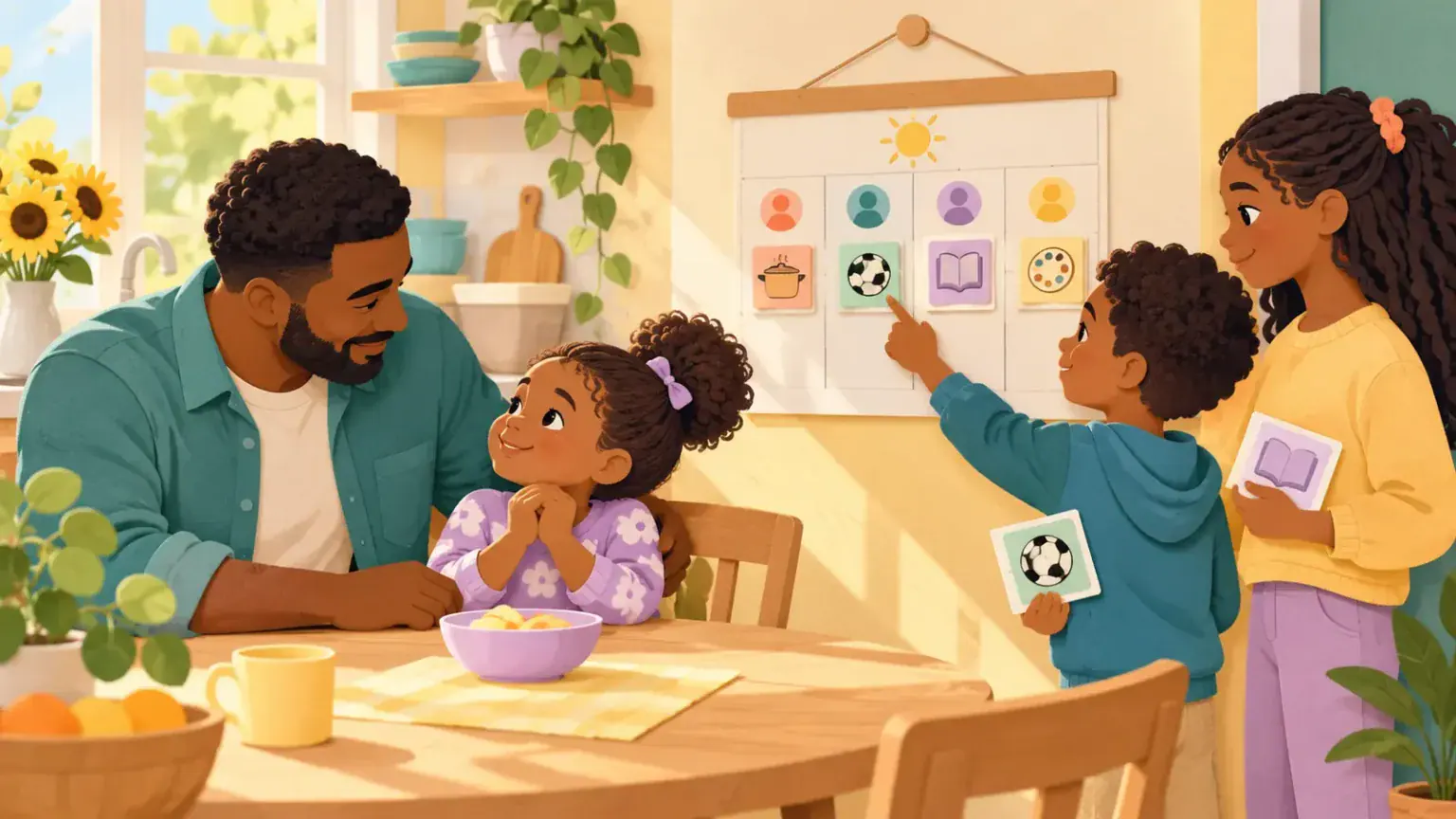
In a busy household, write initials on a calendar or use colour and picture cards. Explain that a missed turn moves rather than disappears. Do not promise a schedule you cannot keep; a dependable fortnightly breakfast can be more reassuring than a daily plan that repeatedly collapses.
Keep the rotation flexible when a child is ill or distressed, and name the adjustment: “Your brother needed the doctor today. Your walk with me moves to tomorrow.” This distinguishes an emergency from favouritism.
Keep siblings out of the comparison
Do not announce that one child “needs” special time because they are difficult, sensitive or struggling at school. Do not report private conversations to the other children. The AAP notes that respecting a child’s wish for a private conversation can build trust.
If a sibling protests, acknowledge the wish and point to their own connection: “You want a turn too. Yours is after breakfast tomorrow.” Avoid “You had me yesterday” when the child is asking for reassurance today.
Follow rather than perform
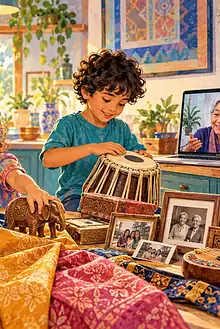
One-to-one time is not a lesson unless the child asks. Watch their block tower, hear the long explanation of a game, sit beside them while they sketch or ask what music they want to share. For a child who communicates without speech, follow gaze, gesture, AAC or movement. Quiet companionship counts.
If the child wants a repeatable activity, adapt tiny family rituals. Keep personal time separate from the problem-solving role of a family meeting.
Protect the group relationship too
Individual attention does not replace family time. Shared meals, games, projects and sibling rituals help children know they belong together. If separation arrangements differ, the guidance on keeping siblings connected offers additional ideas.
When a child does not want their turn
Do not force intimacy. An older child may prefer parallel activity, a short ride or the option to postpone. Say, “I would like time with you, and you can choose the form.” Continue offering without using refusal later as proof they do not care.
Review what the time is doing
After a few weeks, ask: “Does our time feel good? Anything you want more or less of?” You may discover that five calm bedtime minutes matter more than a large outing. The aim is not equal-looking childhoods. It is a family pattern in which each child can reach a caregiver and expect to be noticed.