

By EdCaptain editorial desk · Published
General educational guidance. No qualified clinical review is recorded for this article. Health and safety information.
A vision appointment can answer important medical questions, but it may not show exactly how a child uses vision during meals, movement, play, reading, or a crowded school day. Families often need several connected kinds of information: what the eyes are doing, how the child uses available vision, which senses and tools support access, and what changes remove barriers.
Know which question each assessment answers
A medical eye examination may include history, visual acuity, eye alignment and movement, examination of eye structures, and dilating drops when clinically appropriate. The exact tests depend on the child’s age, communication, health, and reason for referral. The National Eye Institute notes that low vision is usually assessed through a dilated eye exam and that rehabilitation can support everyday activities.
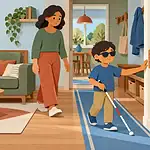
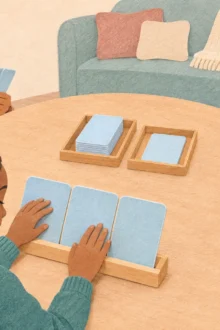
A functional vision assessment looks at how the child uses vision in real settings: preferred viewing distance, lighting, contrast, visual field, movement, clutter, fatigue, and how vision works with hearing and touch. A learning media assessment considers how the child best accesses literacy and learning—for example print, large print, Braille, audio, tactile graphics, or a combination. Orientation and mobility assessment considers safe, efficient movement.
These assessments are related but not interchangeable. A normal-looking eye examination does not automatically explain every functional difficulty. Cerebral visual impairment, for example, involves how the brain processes visual information and may require history and functional information alongside eye assessment.
Bring useful observations, not a home diagnosis
Record specific examples for a week or two:
- How close the child brings books, faces, or objects.
- Whether lighting, glare, contrast, movement, or clutter changes access.
- Objects or people the child finds easily and what they miss.
- Head turns, covering one eye, fatigue, headaches, or avoidance.
- How the child moves in familiar and unfamiliar spaces.
- Which tools or adjustments already help.
Short videos can be useful if the clinician permits and the child’s privacy is protected. Bring current glasses, devices, reports, medication information, school observations, and your questions. Avoid coaching the child to give “correct” answers; the professional needs to see what access is genuinely like.
Prepare the child accessibly
Explain who will be there, what may touch the face, whether lights might dim, and that the child can ask for a pause. Use a simple schedule, real objects, pictures, signs, or a short practice visit according to the child’s communication. Ask the clinic about physical access, interpreter needs, quiet waiting, sensory needs, or positioning supports in advance.
A child who does not speak can still show preference, discomfort, and recognition. Tell the team how the child says yes, no, stop, and “I need a break.” Make Medical Visits More Accessible for Your Child offers a general preparation framework.
Ask for functional meaning
After testing, ask the professional to explain the findings in everyday terms. Useful questions include:
- What does the child appear to access at near and distance?
- Do lighting, field, contrast, or visual complexity matter?
- Which changes should we try now at home and school?
- Is referral to low-vision rehabilitation, a teacher of students with visual impairments, occupational therapy, or orientation and mobility appropriate?
- What symptoms require urgent review, and when is routine follow-up?
Do not buy expensive magnification or technology based only on a generic recommendation. A tool should be tried in the child’s real tasks, taught properly, and reviewed for comfort and usefulness.
Share results without reducing the child to a score
Give school or childcare a concise access summary: what the child can use, the conditions that help, current tools, and what staff should not assume. A single acuity number does not describe fatigue, visual field, processing, mobility, or the child’s strengths.
For visually busy settings, When Light and Visual Clutter Overwhelm Your Child includes practical environmental changes. If the child needs an education plan, accessible formats and mobility should be addressed explicitly rather than waiting for failure.
A good assessment process ends with actions the child and adults can use: clearer materials, better positioning, appropriate tools, skilled instruction, follow-up, and a way to notice whether access is improving.