Entrepreneurship can be a way to practise curiosity, planning and revision. It does not require turning a child’s hobby into income. A good first activity begins with a small problem people actually experience, then tests whether a simple solution helps.
Run a problem walk
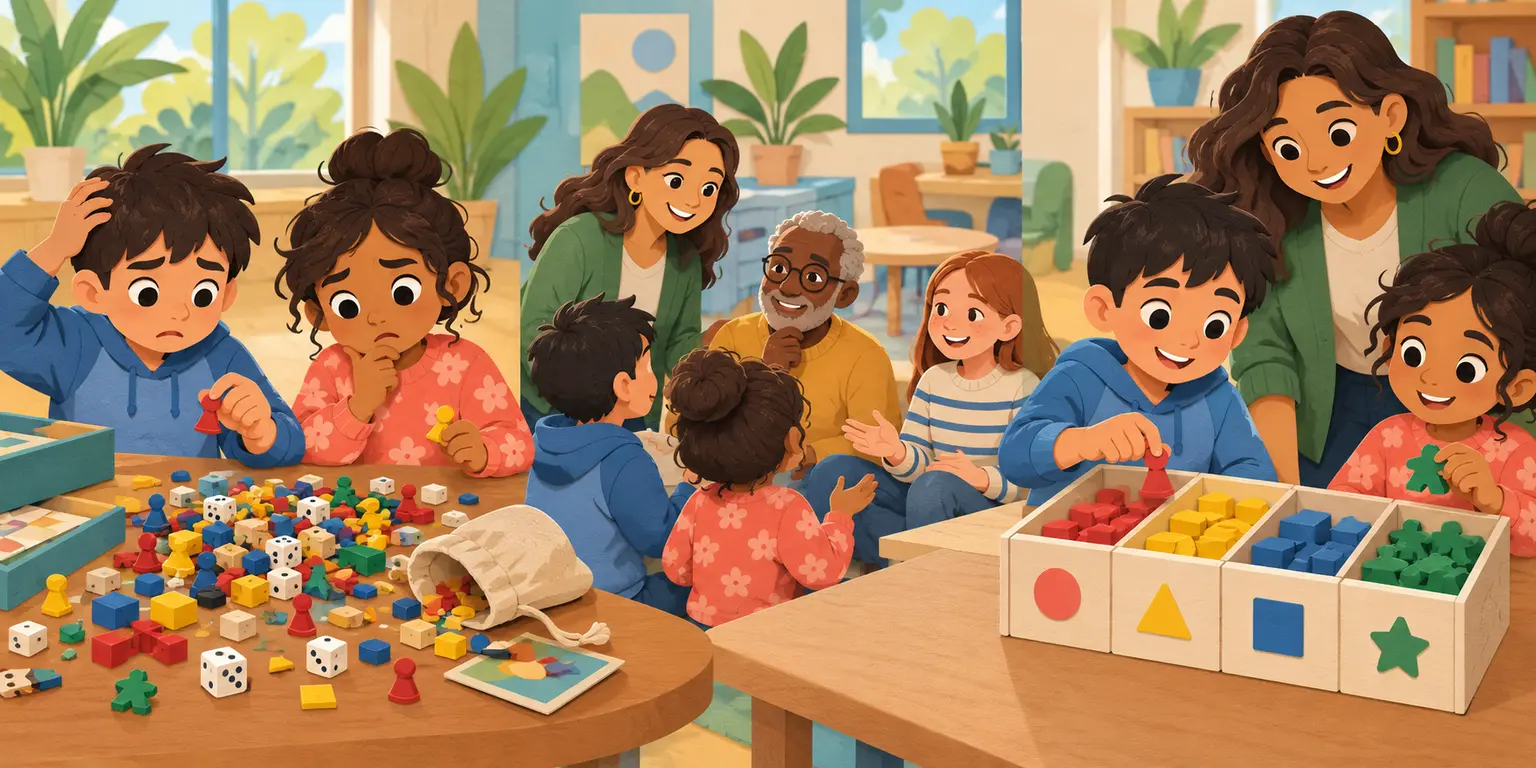
Look around home, school or a club and list annoyances without photographing people or collecting private information. Examples might include game pieces getting lost, plant labels washing away or water bottles being confused. Avoid problems involving health care, security, dangerous repairs or services children are not qualified to provide.
Choose one useful question
Instead of “What can I sell?” ask “Who has this problem, when does it happen and what do they do now?” The SBA explains that market research helps identify demand and understand alternatives. For this activity, three short conversations are enough. An adult should obtain permission and supervise; a child should not approach strangers alone.
Use a tiny interview
- Describe the problem neutrally.
- Ask how often it happens.
- Ask what the person currently does.
- Show a rough idea and ask what would make it useful.
- Record patterns, not names or personal details.
Do not ask leading questions such as “Would you definitely buy my amazing organiser?” Someone being polite is not proof of demand.
Build the smallest test
Make one paper model, sample label or role-play of the service. Let users try it for free in a safe setting. Watch where they hesitate and ask what should change. A failed test protects time and materials; it is useful evidence, not embarrassment.
Decide among four next steps
- Improve the idea and test once more.
- Change the intended user.
- Keep it as a helpful non-commercial project.
- Stop because the problem is not important enough.
Older children can write a one-page plan. Younger children can draw problem, user and solution panels.
Keep childhood bigger than business
Adults handle permissions, safety, money, online listings and local rules. Do not measure a child’s creativity by profit, make them sell to relatives or imply every passion needs a brand. The skill is noticing, listening and improving.
Related EdCaptain guides: needs and wants in context, comparing the real cost, and planning within a fixed budget.
Separate users, buyers and beneficiaries
The person who uses a solution may not be the person who pays for it. A teacher may use an organiser while a school buys supplies; a younger sibling may benefit from a label an adult makes. Ask who uses, who chooses and who pays. This prevents the child from assuming that a useful idea automatically has a customer.
Make an evidence table
After three conversations, create columns for “problem happens,” “current solution,” “what people liked” and “what they would change.” Do not count compliments as commitments. Look for repeated details. If nobody experiences the problem often, celebrate that the research prevented unnecessary production.
Test impact beyond sales
- Does the idea reduce waste or create more?
- Could someone be excluded by price, language or ability?
- Does it use another person’s artwork or private information?
- Could the same benefit be provided freely or through sharing?
- What adult permission or safety check would be needed?
An idea can be entrepreneurial without becoming a business. Children might design a borrowing system, improve a club process or make a guide for classmates. Value includes usefulness, learning and community benefit.
Finish with a one-minute pitch
Use four sentences: “The problem is… It affects… We tested… Our next step is…” Ban promises such as “everyone will buy this.” Ask listeners for one question, not a verdict. The child can decide to revise, continue for fun or stop. Ending an idea after evidence is good judgment, not giving up.