Age guide: 4 to 10 years. Adjust the numbers for your child.
An estimate is a sensible guess, not a wild one. These three games let children practise guessing before they check, and learn what to do with the information. Nobody is marked wrong for a guess. The fun is in seeing how close it was.
1. Circle ten
Time: 10 minutes. You need: about 30 large counters and three loops of string.
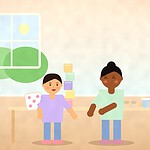
Spill the counters on a table. Ask your child to count out ten and put a loop of string around them. Look at the group together. Then ask them to circle another ten without counting, just using what they saw. If they start counting, say, “You know roughly how big ten looks. Have a go at guessing.” After a few tries, they will get closer. If three loops fit, you can say there are about thirty counters. If ten is too many, start with groups of five.
2. How many blocks?
Time: 15 minutes. You need: 10 to 20 wooden blocks and paper.
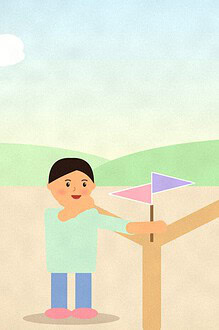
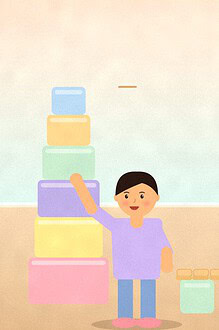
Build a large structure where some blocks are hidden in the middle. Put a sign on top: “How many?” Ask your child not to take it apart yet. Each person writes or says a guess and a reason on a chart with three columns: Name, Guess and Why. Then ask, “How else could we find out, apart from counting?” Try their ideas and write down the results. In the end, take it apart and count together and compare with the guesses. Try it again with shells in a jar or stones in a basket.
3. Family favourites
Time: 15 minutes. You need: paper, markers and stickers if you have them.
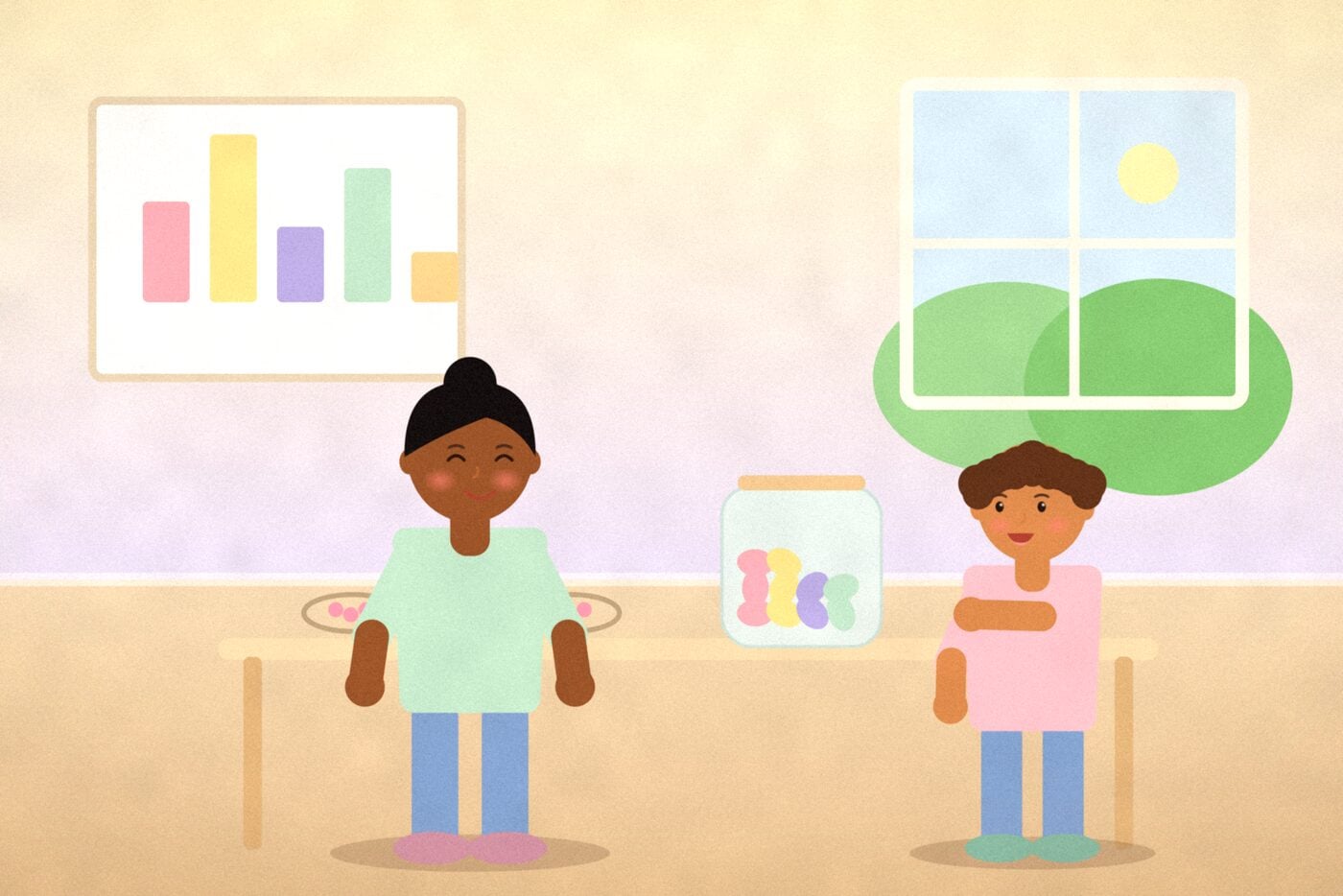
Choose a topic your family might disagree about, like five ice-cream flavours or five fruits. Write them along the bottom of a big sheet as five columns. Ask everyone to predict which will have the most votes. Then each person marks their favourite with a sticker or a cross. Count the columns together, and compare to the predictions. Ask: which was the most popular, which the least, and how many more votes did the winner get?
Try again with something new: favourite colours, books or things to do at the weekend. If someone is unsure what they like, hold a taste test. Check for allergies first and cut food into small pieces for young children.
What your child is practising
They are thinking about quantity, making predictions and seeing information in a graph. That is plenty for one afternoon. To follow it up, read about seeing small amounts without counting.