Age guide: 3–7 years; use accessible visual or tactile alternatives
You glance at two shoes and know there are two without saying “one, two”. That quick recognition of a small quantity is often called subitizing. The name sounds like specialist homework; exploring the idea can be much simpler.
The short answer
- Begin with very small quantities.
- Ask what your child notices.
- Keep counting as a welcome option.
- Build understanding instead of running a speed contest.
DREME distinguishes recognising small quantities directly from recognising larger quantities as combinations of smaller groups. Neither idea requires parents to deliver rapid-fire flashcard drills.
1. Make a few simple cards
Draw one, two and three large dots on separate pieces of paper. Use bold marks and a plain background. Start with one card, placed where your child can see it comfortably.
Ask: “What do you notice?” If they say how many dots there are, invite them to show how they knew. They may recognise the group, count, or do a little of both. That explanation is more interesting than whether the answer arrived instantly.
2. Play a matching game with a purpose
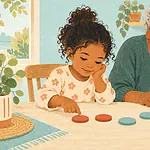
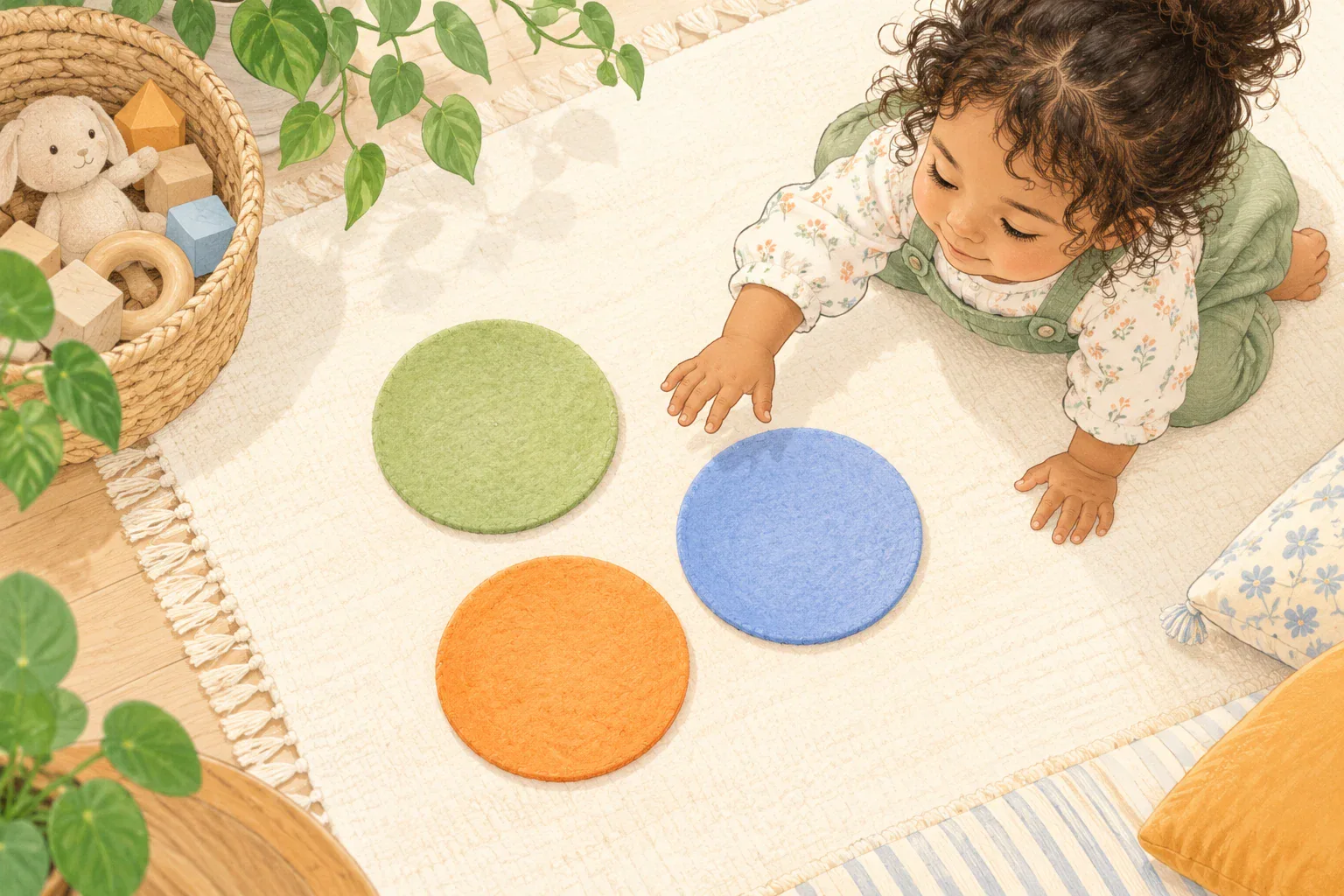
Draw two pretend picnic mats. Place a dot card beside each and ask your child to choose a matching number of large toy plates. Keep the quantities small and stay with the game as long as it is enjoyable.
This picnic is an example you can adapt; it is not a research-tested intervention. A child who prefers cars could fill parking spaces instead. Use large, safe objects and supervise according to your child’s needs.
3. Let counting settle a disagreement
If your child sees three dots and says four, avoid “You should know that.” Try: “Let’s check together.” Touch or point to each dot, then name the total.
There is no need to make the card disappear before your child has had time to look. Pressure can turn a useful conversation into guessing.
4. Explore different arrangements
- Put three dots in a line on one card.
- Put three dots in a small triangle on another.
- Compare what looks different and what stays the same.
- Invite your child to make a card for you.
When small groups feel comfortable, show a larger collection in visible parts, such as two dots beside two more. Ask what groups they can see. Do not jump to larger quantities simply because a chart says it is time.
Make the activity accessible
Offer larger marks, better contrast, fewer visual distractions or objects your child can explore by touch. Different formats support quantity learning in different ways; they need not reproduce the same visual task.
Finish while the game is still welcome. Your child does not need to know the technical word to enjoy noticing quantities, comparing ideas and checking an answer with you.
Keep exploring
- Counting to twenty is lovely. Knowing how many is the next adventure
- Clap, tap, repeat: pattern play that needs no worksheet