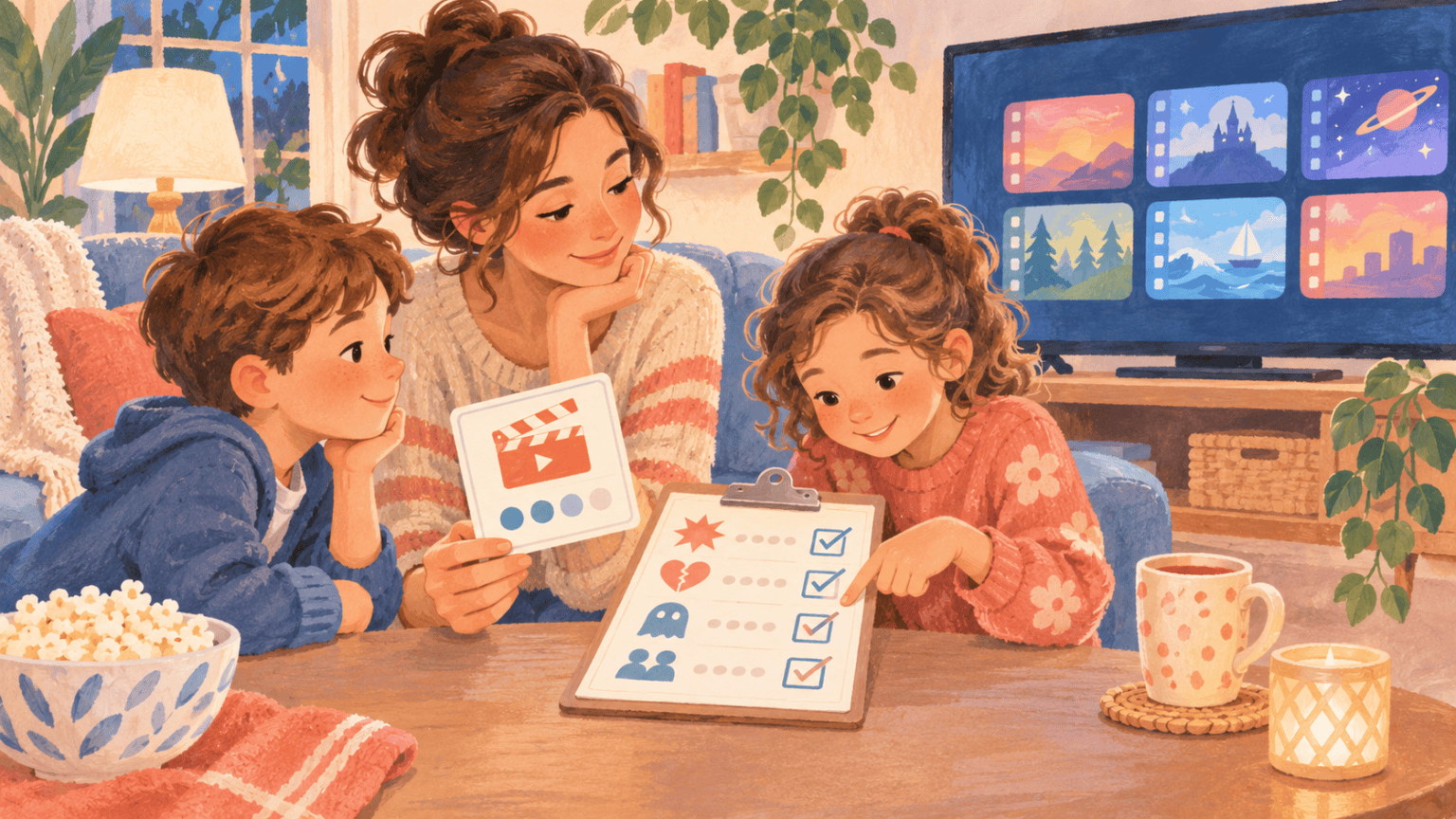
An age rating is useful shorthand, but it cannot know that one child laughs at fantasy monsters while another worries for days after an animal is separated from its family. It also cannot tell you whether a film’s humour, pace or themes will make sense to the child who is watching.
Use the rating as the first filter, then make a child-specific decision from the content advice, context and viewing plan.
Identify which rating system you are looking at
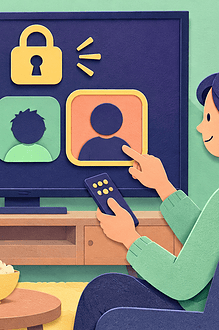
Countries and platforms use different symbols, age bands and admission rules. A cinema rating may be legally enforced while a streaming label may function as guidance. Do not assume that a familiar-looking number means the same thing everywhere. Check the official regulator or platform explanation for your location.
The British Board of Film Classification explains that its age ratings are paired with content advice. That advice describes the issues behind the rating, such as threat, violence, language, discrimination, sex references, drugs or dangerous behaviour. It is often more useful to a family than the symbol alone.
Read the content advice for the actual title
A broad category cannot capture intensity. Ask:
- Is the threat brief, comic and clearly resolved, or realistic and sustained?
- Are injuries shown, discussed or only implied?
- Does an animal, parent or child appear to die or disappear?
- Are there sudden sounds, flashing images or scenes of confinement?
- Could the child copy risky behaviour without understanding the consequences?
- Does the story contain language or stereotypes the family will want to discuss?
Look up the exact version. A cinema cut, extended edition and edited television version may differ. Trailers can also contain material that is not representative of the final film—or reveal the very scene you hoped to prepare for.
Match the issue to the child, not to a stereotype
Age matters, but so do experience, temperament, current worries, disability, language comprehension and whether the story resembles something happening in the family. Ask the child what they do and do not enjoy. An older child may dislike suspense; a younger child may comfortably follow gentle fantasy. Neither response is a test of maturity.
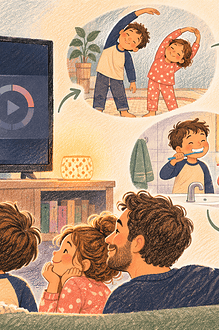
The American Academy of Pediatrics describes ratings as a guide rather than a complete answer and recommends co-viewing when possible. EdCaptain’s guide to using app age ratings as a starting point applies the same principle to interactive media. For a film with difficult representation, spotting gender stereotypes in media offers a calm conversation method.
Give the child an honest preview
A useful preview does not need to spoil the whole plot. Say, “There is a chase where the character seems trapped, and it lasts a few minutes. Nobody in our family has to keep watching.” If an important character dies, vague wording such as “something sad happens” may not prepare a child who specifically fears death.
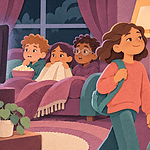
Offer options before pressing play: watch together, choose another film, read a fuller synopsis, keep the lights on, lower the volume, or pause at an agreed point.
Make stopping ordinary
- Put the remote within reach or agree on a clear pause word or gesture.
- Confirm that stopping will not lead to teasing or a lecture.
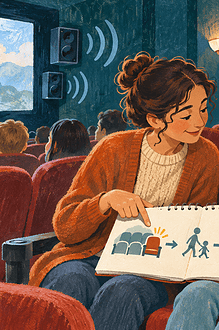
- If viewing at a cinema, choose an aisle seat and explain that leaving is allowed.
- Have a second activity available so stopping does not feel like ruining everyone’s evening.
Do not use “You chose this” to force a child through distress. New information can change a decision.
Review the choice afterward
Ask one practical question: “Was there anything you wish we had known first?” Note the answer for future choices. Avoid turning the film into a comprehension test or demanding a moral lesson. The goal is to improve the family’s selection process, not prove that the adult made the perfect call.
A rating can narrow the field. Detailed advice, the child’s own voice and a respectful exit plan make the final decision.