Age guide: 3 to 9 years. Pick one or two games, not all of them.
Naming a feeling is easier when you can see it, move it and laugh about it. These six games use faces, bodies, music and a bit of chalk to give children more ways to show what is going on inside. No feeling is good or bad here, and everyone’s answers are welcome.
1. Mirror faces
Time: 5 minutes. You need: a partner.
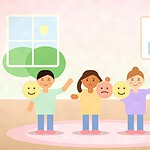
Face each other. One person makes any face, and the other copies exactly, like a mirror. Use cheeks, eyebrows and mouth, not just a smile. Switch after a minute. Then try copying faces that show a feeling, like glad, cross or sleepy. Finish by acting out the same feeling with the whole body.
2. Feeling statues
Time: 10 minutes. You need: music and room to dance.
Dance around freely. When the music stops, call out a feeling: excited, grumpy, scared, proud. Everyone freezes in a statue that shows it. Look around and notice how different the statues are, then start the music again. Ask your child to call the next feeling.
3. Feeling charades
Time: 5 to 10 minutes. You need: nothing.
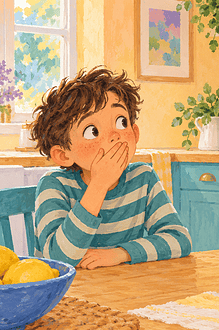
Act out a feeling with your face and body and ask others to guess. Start with the basics: happy, sad, cross, scared, excited. Then let children take turns. Ask the group what clues helped them guess.
4. Mix-and-match egg faces
Time: 15 minutes. You need: plastic eggs that split in half and a marker.
Draw different eyes on the tops of the eggs and different mouths on the bottoms. Let your child mix and match to make new faces. Ask them to make a face for “cross” or “nervous”, or to show how they feel right now. Keep the eggs large enough that nobody can swallow them and supervise little ones.
5. Shadow faces
Time: 10 minutes. You need: chalk, a sunny day and a patch of pavement.
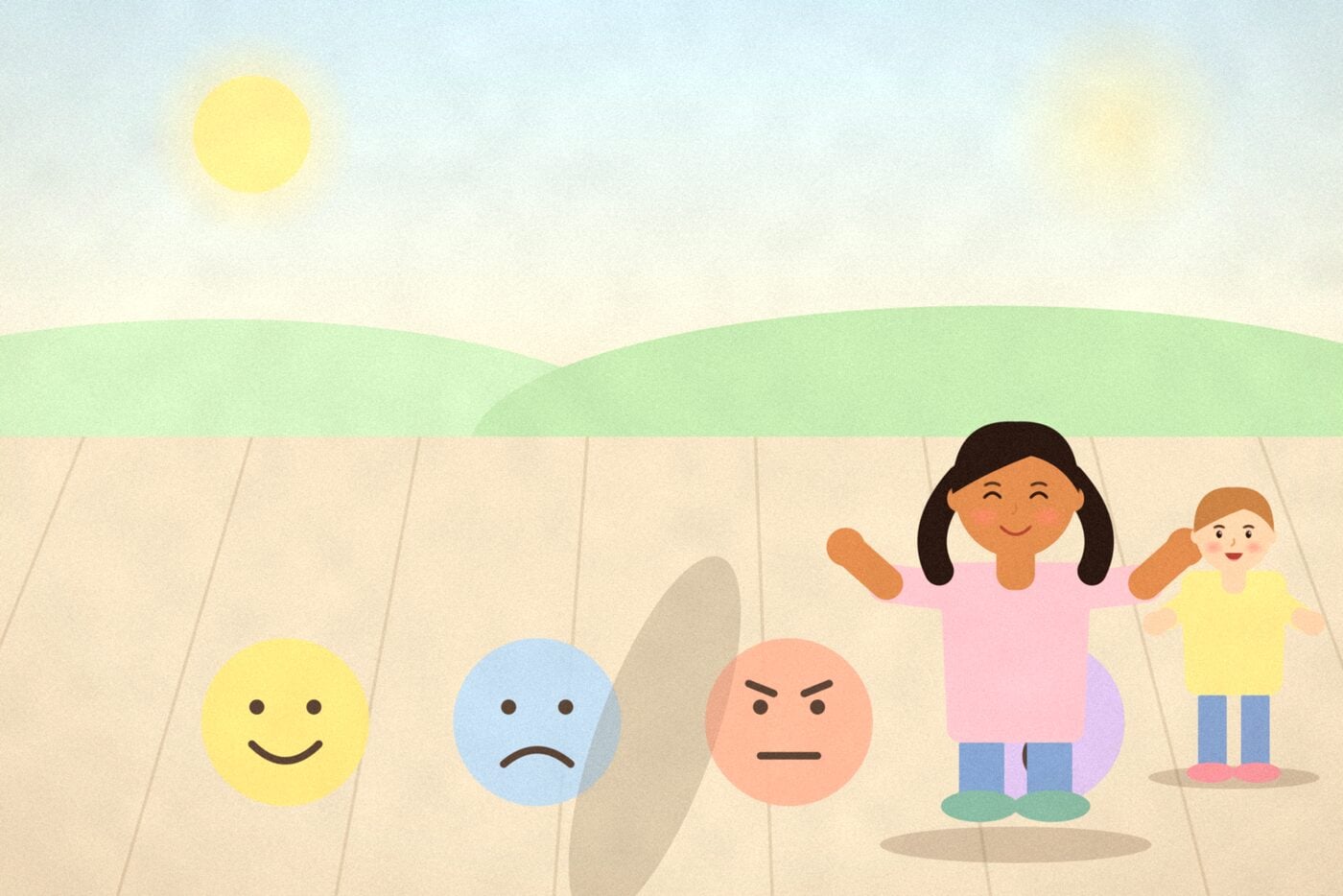
Draw a row of faces showing different feelings. Your child stands so their shadow falls on a face and tells you which feeling it is. Then call out a feeling and watch them hop sideways to find the right face. Ask questions, like “How do you feel about broccoli?” and let them hop to the answer.
6. Pass the card
Time: 10 minutes. You need: picture cards of feelings in a basket, plus music.
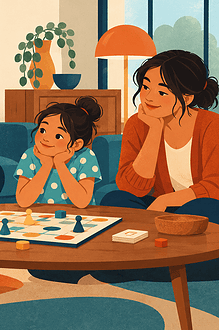
Pass the basket around the circle while the music plays. When it stops, the player holding the basket takes out a card and shows the feeling with their face. Others guess. If they would like, they can tell about a time they felt like that. There is no pressure to share.
After the game
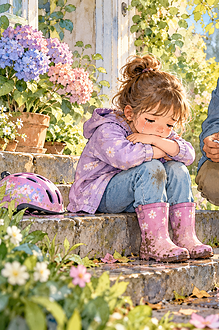
Tell your child that everyone has all of these feelings. When a hard moment comes later, you can say, “Looks like a statue day.” To help your child notice how others feel, try reading feelings without guessing for everyone.