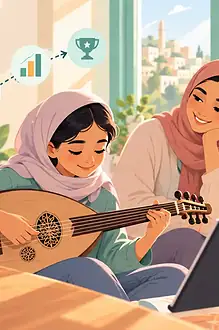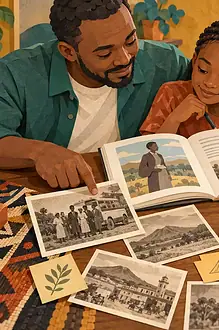
A thoughtful mentor can help a young person practise a skill, imagine new possibilities and feel known beyond grades or performance. The strongest arrangements are not built on charisma alone. They have a clear purpose, accountable adults, safe settings and boundaries that everyone understands.
Define what help the child is seeking
“A mentor” can mean a weekly art guide, a coach who explains a pathway, a professional who answers occasional questions or a supportive adult in a structured programme. Ask the child what they want to learn and how they prefer to meet. A precise goal makes it easier to choose the right person and notice whether the relationship is useful.
Start with accountable organisations
Look first at schools, libraries, clubs, sports bodies, cultural organisations, universities and established mentoring programmes. Ask how adults are screened, trained and supervised; how concerns are reported; whether meetings are documented; and what rules cover transport, gifts, messaging and one-to-one contact. A background check may be one safeguard, not a complete guarantee.
MENTOR’s evidence-based standards emphasise screening, training, monitoring and support across the relationship. Ask to see the actual policy rather than relying on “We know everyone here.”
Interview the programme and the person
- What experience do you have with this age group and activity?
- How do you set goals with a young person rather than for them?
- How are caregivers updated?
- Where do meetings happen, and who else is present?
- What happens if the match is not working?
- How do you handle photos, direct messages, gifts and social media?
Notice whether the adult welcomes these questions. Safe mentors do not need secrecy, special access or loyalty tests.
Agree on boundaries before the first session
Use public or programme-approved spaces with other adults nearby. Keep communication on an approved channel that caregivers can access as appropriate. Define meeting times, transport, physical contact, spending and photography. Avoid private overnight trips or moving conversations to disappearing-message apps.
Tell the child: “A mentor should not ask you to keep secrets from us, give you private gifts, discuss sexual topics unrelated to safety, or make you feel you owe them.” Surprises such as a planned card are different from secrecy about the relationship.
Give the child real consent
Adults may think a match is perfect while the child feels uncomfortable or simply does not connect. Arrange an introductory meeting and a trial period. Offer a private way to say “not this person” without having to prove wrongdoing. Children who use communication aids can have a visual check-in scale or a trusted adult who observes sessions.
Monitor without interrogating
After meetings, ask open questions: “What did you work on?” “What felt encouraging?” “Was anything confusing or uncomfortable?” Also check in with the programme. A sudden change in secrecy, anxiety, unexplained gifts or pressure to meet alone deserves attention. Preserve relevant information and use the organisation’s safeguarding route; contact appropriate child-protection or emergency services for immediate danger.
Support a healthy ending
Mentoring relationships can end because goals are met, schedules change or the match is not right. Plan a closing conversation, name what the child learned and decide what comes next. Do not let an adult disappear without explanation when a supported closure is possible.
Adapt by age
- Ages 6–9: Prefer group or closely observed activities, short sessions and caregiver-visible communication.
- Ages 10–12: Invite the child into goal-setting and practise how to leave or contact a trusted adult.
- Teens: Respect growing independence while retaining programme accountability, explicit digital boundaries and periodic check-ins.
A mentor adds to a child’s network; they should not isolate the child from family, peers or other teachers. Use practising how to ask for help, finding everyday role models and following through on a community commitment as complementary skills.