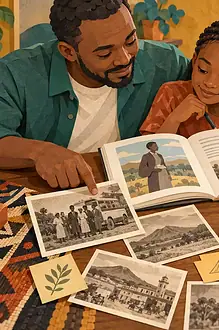
A classmate’s joke about a scientist, artist, athlete or community leader can feel like a joke about the child too—especially when admiration connects to culture, disability, religion, gender or a cherished goal. The child does not need to win a debate. They need choices: clarify, disagree, leave, seek support and keep their own judgment.
First find out what happened
Ask for the words, setting and pattern: “What did they say?” “Who was there?” “Has this happened before?” “What did you want to do?” A single disagreement is different from repeated humiliation, identity-based abuse or group exclusion. Resist contacting another family before you understand the child’s experience and wishes, unless safety requires immediate action.
Validate without escalating
Try, “It makes sense that felt personal. You care about this person’s work.” Avoid “Ignore it” or “They are jealous,” which guesses at motives and may leave the child alone with the problem. Also avoid insisting that the admired person must be defended as perfect.
You can say, “You may admire something they did and still think critically about them.” The guide to reading biographies critically helps separate evidence from hero worship.
Practise three levels of response
- Curious: “What makes you say that?” or “Are you joking about the work or about me?”
- Clear: “You do not have to like them. Stop mocking me for it.”
- Exit: “I’m not discussing this,” followed by moving toward a friend or trusted adult.
The child can choose based on safety and energy. Walking away is not losing. A child who communicates nonverbally can use a prepared card, message or signal to an adult.
Check facts together
Sometimes peers repeat a real allegation; sometimes they spread a distorted clip or stereotype. Look for reliable reporting or primary evidence and distinguish criticism of conduct from attacks on identity. If new facts are troubling, let the child have mixed feelings. When a role model disappoints your child offers a repair process.
Know when it has become bullying
UNICEF describes bullying as repeated intentional aggression involving a power imbalance. Patterns matter: repeated taunts, coordinated exclusion, threats, identity-based slurs or online pile-ons need adult action. Record dates, locations, exact language, witnesses and screenshots where relevant. Tell the school what support the child needs, ask how the behaviour will be addressed and set a review date.
For immediate threats or violence, use the school’s urgent safeguarding process and appropriate local emergency help. Do not ask the child to confront a group alone.
Protect the interest from the conflict
Make room for the child to enjoy the music, discovery or values that mattered before the teasing. Find one supportive peer, club, teacher or family member who can discuss the interest respectfully. The goal is not an echo chamber; it is a place where disagreement does not become degradation.
Address identity-based mockery directly
If the role model is mocked because of race, disability, religion, gender or another identity, name the prejudice rather than treating it as ordinary taste. Say, “Criticising a decision is allowed. Using a disability as an insult is not.” Ask the school to address the discriminatory behaviour, not merely mediate a mutual conflict.
Adapt by age
- Ages 6–9: Rehearse one boundary sentence and identify two adults and one safe place.
- Ages 10–12: Distinguish teasing, disagreement and repeated bullying; practise leaving a group chat.
- Teens: Discuss evidence, public controversy, identity-based harassment and when documenting is safer than responding.
Connect this plan with safe bystander choices and asking for help with confidence. A child can keep what inspires them while learning that admiration, criticism and self-respect can coexist.