Age guide: 4–8 years; choose safe, accessible materials
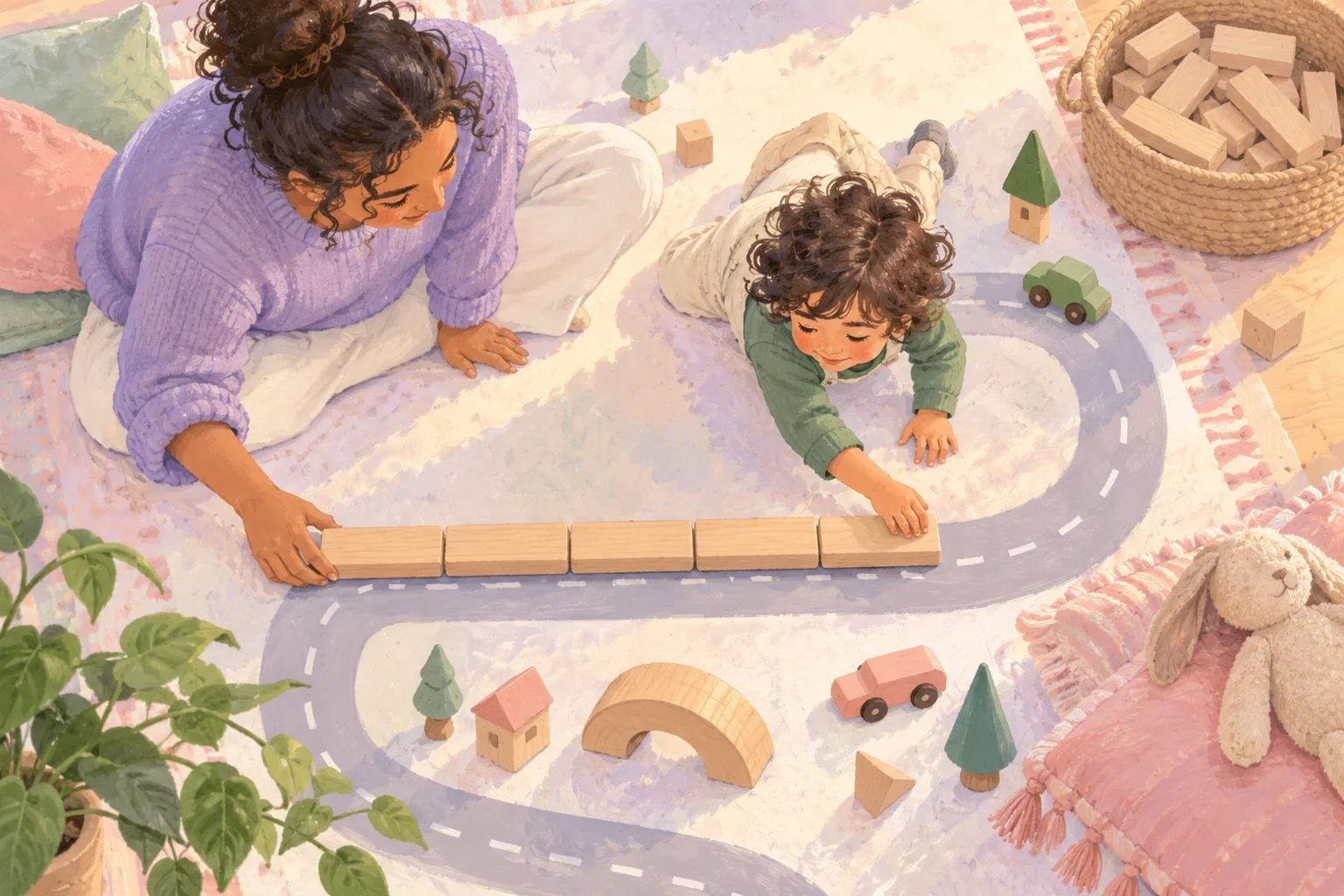
Your child says the toy road is “really long”. You count six blocks along it. Someone else measures it with four larger blocks. Who is right? That small disagreement opens a useful conversation about units.
The short answer
- Name what you are measuring: length, height or something else.
- Use equal-sized units for one measurement.
- Place units without gaps or overlaps.
- Say the unit as well as the number.
DREME’s measurement guidance highlights the challenge of understanding units. Before a ruler becomes meaningful, children can explore how the size and placement of a measuring unit affect the result.
1. Build a road on a table
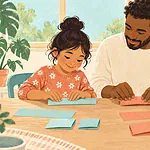
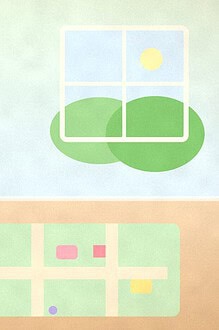
Draw a short road on paper and choose several identical, age-appropriate blocks. Ask: “How could we find out its length?” Let your child propose an approach.
Line blocks along the road, matching the starting point and placing them end to end. If the road finishes partway through a block, describe the result honestly: “It is a little longer than five blocks.” Do not force an exact whole-number answer.
2. Inspect the measuring line together
Leave one deliberate gap and ask whether anything about the measurement needs checking. Then try overlapping two units. Compare the line before and after correcting the arrangement.
You are making a process visible. Avoid telling your child they are careless when they are still learning which details matter.
3. Change the unit and keep the road
Now measure with a different set of identical, larger units. Ask what changed and what stayed the same. The road has not shrunk because the count is smaller; the measuring pieces are longer.
- Record the first result with its unit.
- Record the second result with its unit.
- Place the two kinds of unit side by side.
- Discuss why “six” alone does not describe the length clearly.
Large paper strips can substitute for blocks. An adult can place them while a child directs, counts or checks.
4. Connect the idea to a ruler
When your child is ready, inspect the equal spaces on a ruler together. For a simple starting activity, align the object with zero and find where it ends. If the ruler has several scales, select one and explain which unit you are using.
Keep the first task short. Reading tiny marks, aligning objects and understanding the unit are separate demands.
A useful question for later
Ask: “What did we measure, and what did we measure it with?” That question can travel from a toy road to a shelf, a drawing or a block tower.
This is learning play, not a substitute for accurate measurement in cooking, medication, building or safety-critical tasks. For play, the interesting result is a child who wants to check what their number actually means.
Keep exploring
- Beyond “What shape is this?”: better conversations during building play
- The biggest half? Start fractions with the whole