Compliments are usually offered with love. Yet repeated patterns can quietly narrow what children believe matters. If girls mainly hear that they are pretty, neat or sweet while boys mainly hear that they are strong, fearless or clever, children may start performing those roles and avoiding experiences that do not fit.
You do not need to ban “beautiful” or “strong.” Widen the menu so appearance and toughness are not the only qualities that receive attention.
Describe what you actually noticed
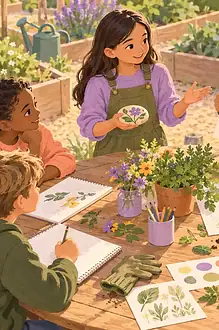
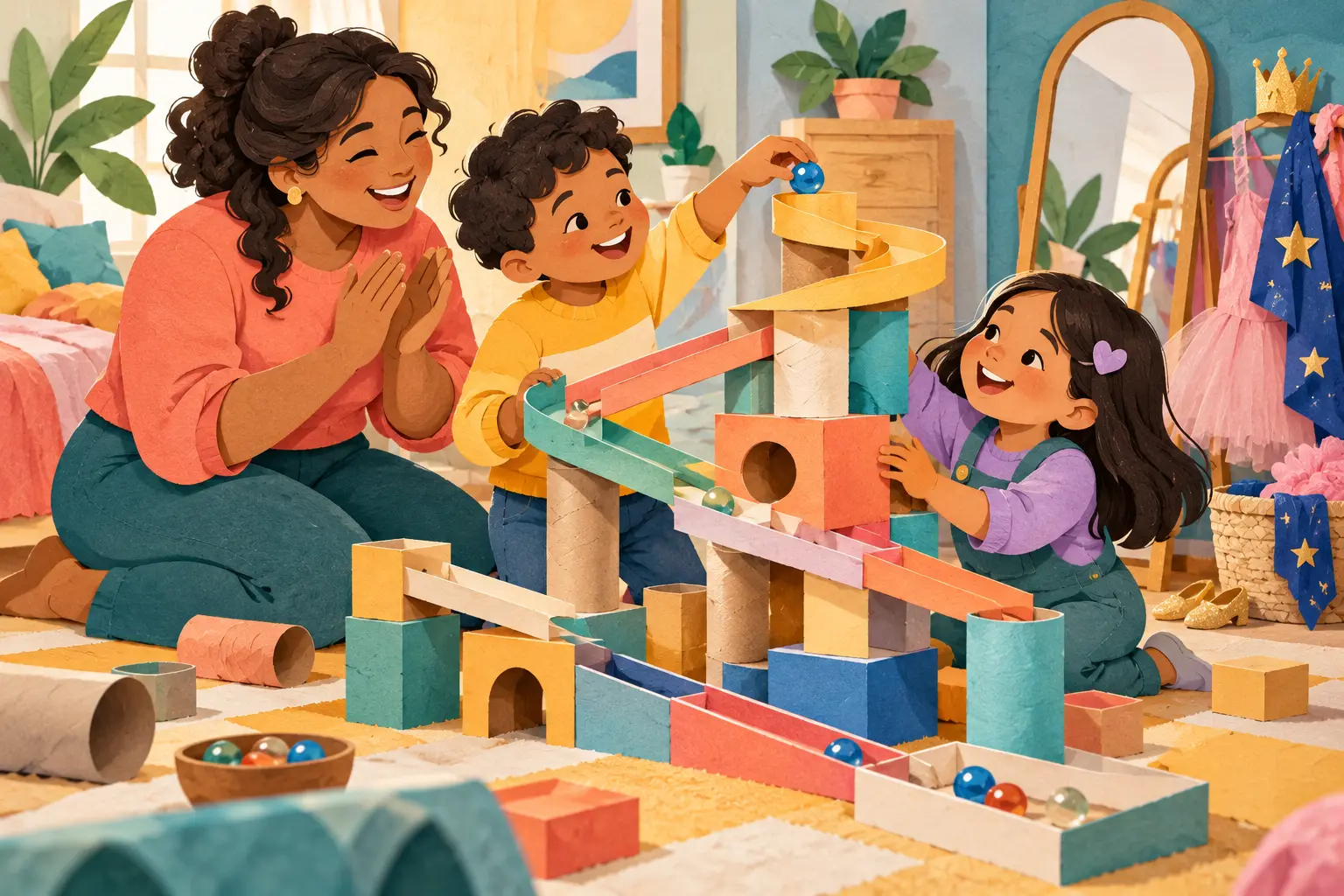
Specific praise gives useful information. Instead of “Good girl,” try “You waited while your friend finished speaking.” Instead of “You’re a natural,” say “You tried three ways to balance that tower.” The child learns which action they can repeat.
Useful areas to notice include effort, strategy, curiosity, care, honesty, creativity, patience, physical skill, boundary-setting and repair. These belong to children of every gender.
Move from appearance to choice
If a child proudly shows an outfit, it is fine to enjoy it with them. Add agency: “You chose colours that make you smile,” “You put that combination together yourself,” or “You look comfortable and ready to move.” Ask, “What do you like about it?” rather than making your verdict the centre of the moment.
Be cautious with body-based comparisons, even positive ones. “You’re the skinny one” or “You’re our big strong boy” can become an identity a child feels pressured to maintain. Compliment what a body can do without ranking bodies: “Your legs carried you up that hill,” or “You listened when your body needed rest.”
Praise courage accurately
Courage is not the absence of fear. A child can be brave while asking for help, leaving an unsafe game or saying, “I’m not ready.” If boys receive praise only for risk-taking, they may ignore danger. If girls are praised mainly for being careful, they may doubt their ability. Notice thoughtful decisions: “You checked the equipment and then tried.”
Let kindness include boundaries
Girls are often rewarded for being agreeable; boys may receive less encouragement for nurturing behaviour. Praise care without requiring self-sacrifice: “You checked on your friend and also told them what you needed.” Tell boys, “You were gentle with the baby,” as readily as you tell girls. Tell girls, “You made a firm decision,” as readily as you tell boys.
UNICEF’s gender-responsive parenting guidance notes that adults may praise girls for looks and boys for physical strength. It recommends equal opportunities, care and emotional acceptance. The point is not identical children; it is freedom to develop a full range of capacities.
A practical praise check
For one week, notice the compliments you give. You do not need a perfect tally. Ask:
- Do I comment on one child’s looks more than their ideas?
- Do I celebrate one child’s toughness but overlook tenderness?
- Do I praise obedience when a respectful question would be healthy?
- Do siblings receive different expectations because of gender?
Add missing messages rather than policing every sentence. At dinner, each person might name a choice they handled well, a skill they practised and a kind action they received.
Keep praise from becoming pressure
Even positive labels can trap: “the smart one,” “the easy child,” “the little helper.” Use language that leaves room to change. “You concentrated on this today” is lighter than “You are always so responsible.” Sometimes simple attention—“Tell me about what you made”—supports connection better than evaluation.
When a child dismisses praise, do not argue them into accepting it. Be concrete: “You may not like the final drawing. I noticed you kept experimenting with colour.” The guide to sharing work before it feels perfect can help with perfectionism around feedback.
Adapt by stage
- Ages 0–2: Warm attention and simple narration—“You kept reaching”—matter more than labels.
- Ages 3–5: Name the action and its effect: “You moved over, so your friend had space.”
- Ages 6–9: Ask what the child feels proud of and notice strategies.
- Ages 10–12: Discuss appearance pressure, athletic identity and how compliments feel. Let the child tell you what support they prefer.
For play choices, see Dolls, blocks and dragons. The same principle applies to praise: children deserve the whole range of words.