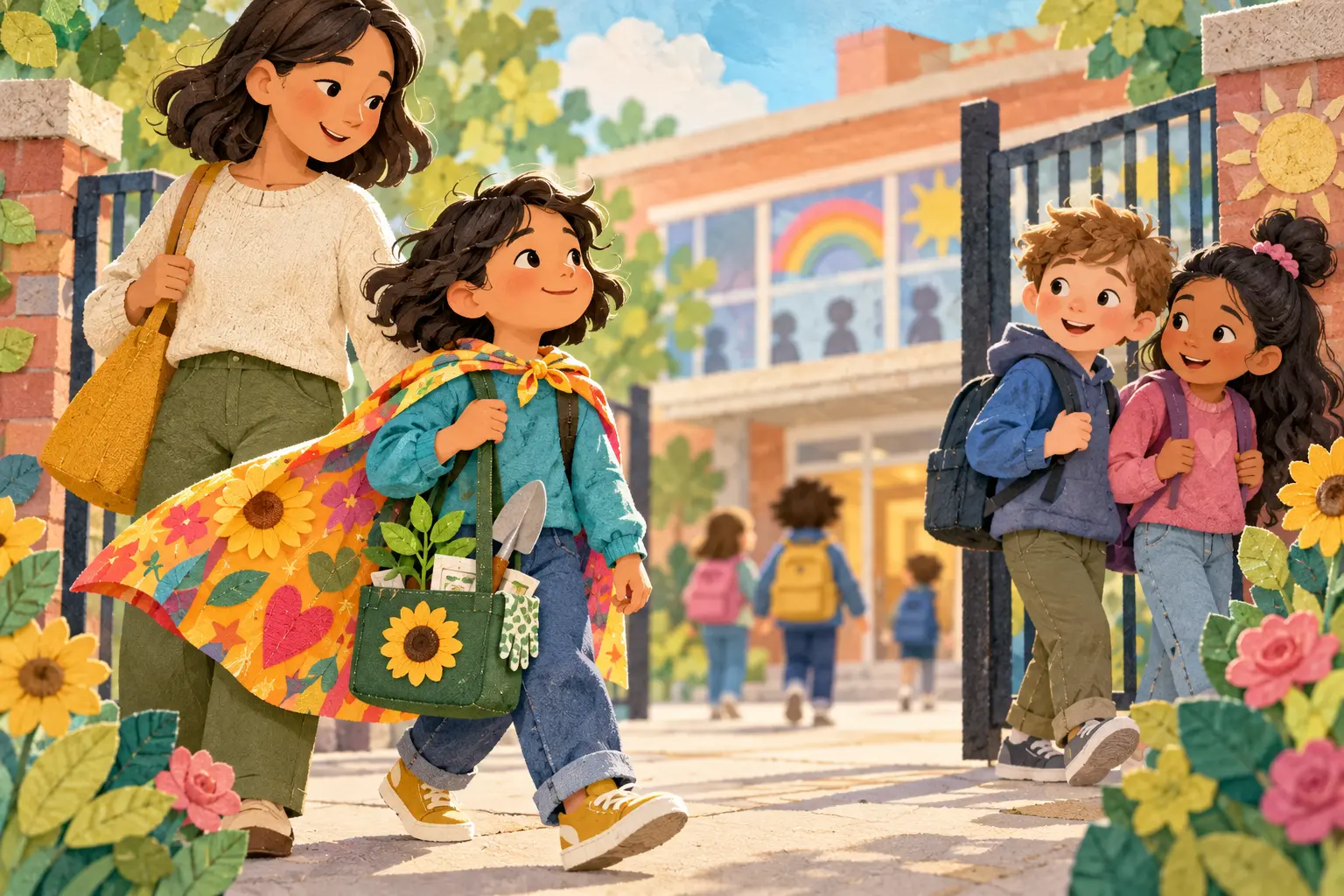
A child may be mocked because a boy loves a sparkly cape, a girl chooses a short haircut, or any child enjoys an activity peers have labelled “wrong” for their gender. The teasing is the problem. The clothes, hobby or mannerism do not need to be fixed.
Your response should do three things: make the child safe, affirm that their interests are allowed, and place responsibility for stopping harassment on the adults who oversee the setting.
Start with belief and warmth
Say, “I’m glad you told me,” “You did not cause this,” and “You are allowed to like what you like.” Ask what happened, who was present, whether it has happened before and what the child wants next. Do not turn the first conversation into an investigation of identity.
A child’s interests do not prove anything about their gender identity or sexuality. Some children may later describe themselves in a particular way; others will not. Let the child lead any labels while you protect their right to explore.
Do not praise endurance as the only option
“Ignore them” can leave a child alone with repeated harm. Offer a menu: move toward a safe person, use one short line, leave the area, save an online message, or tell an adult. Ask which option feels possible.
- “That’s what I like.”
- “Clothes and hobbies are for anyone.”
- “Stop commenting on me.”
- “I’m going to get help.”
The child does not owe a clever comeback. Safety matters more than winning the exchange.
Require the institution to act
If the behaviour occurs at school, sport, faith group or club, write down the words used, dates, locations, witnesses and any effect on participation. Ask for the organisation’s anti-bullying or safeguarding process and a specific plan: who will supervise, how the child will report quickly, and when adults will review progress.
Avoid solutions that isolate the targeted child, such as changing their clothing, removing them from an activity or telling them to use a separate space, unless the child wants a temporary safety measure. The adult response should focus on the behaviour of those doing the targeting.
Protect choice at home
Do not quietly remove the cape, toy, hairstyle or club to prevent comments. That can confirm the tease’s message. Ask what the child wants to wear or do and what support would make it easier. They may choose a different option on a difficult day; choosing safety is not surrender.
Check family humour too. Remarks such as “Here comes our little princess” or “That’s not very ladylike” can sting even when adults call them jokes. Set a boundary with relatives: “We do not mock children’s interests or appearance.”
Build belonging beyond the incident
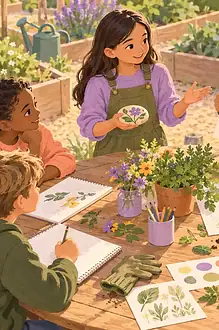
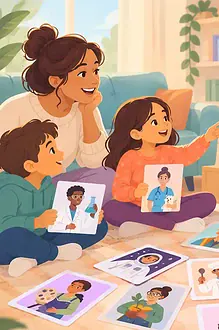
Look for spaces where the interest is ordinary: an arts group, coding club, dance studio, sports team, gardening project or welcoming friendship. Representation in books and media can help, but real relationships matter. The goal is not to surround the child only with people who are identical; it is to ensure they are not alone.
The guide to trying an activity across gender expectations can help with practical barriers. For play at home, see opening the whole world of play.
Adapt by age
- Ages 6–9: Use simple reassurance and practise one help-seeking sentence. Coordinate closely with the adult in charge.
- Ages 10–12: Discuss group dynamics, online comments and the child’s preferred level of adult involvement.
- Teens: Respect privacy and chosen identity language. Agree before sharing personal details, unless urgent safety requires action.
Watch the impact
Seek qualified mental-health support if the child avoids school, stops valued activities, has ongoing sleep or appetite changes, becomes persistently anxious or low, or talks about self-harm. Threats, stalking, sexual harassment or physical violence need immediate safeguarding action.
UNICEF advises adults not to limit children’s clothes, hair, sports, friends or interests according to what is supposedly for boys or girls. Put that principle into plain family language: “You do not have to become smaller to make someone else’s rule comfortable. We will help keep you safe while you grow into yourself.”