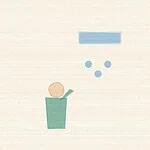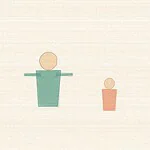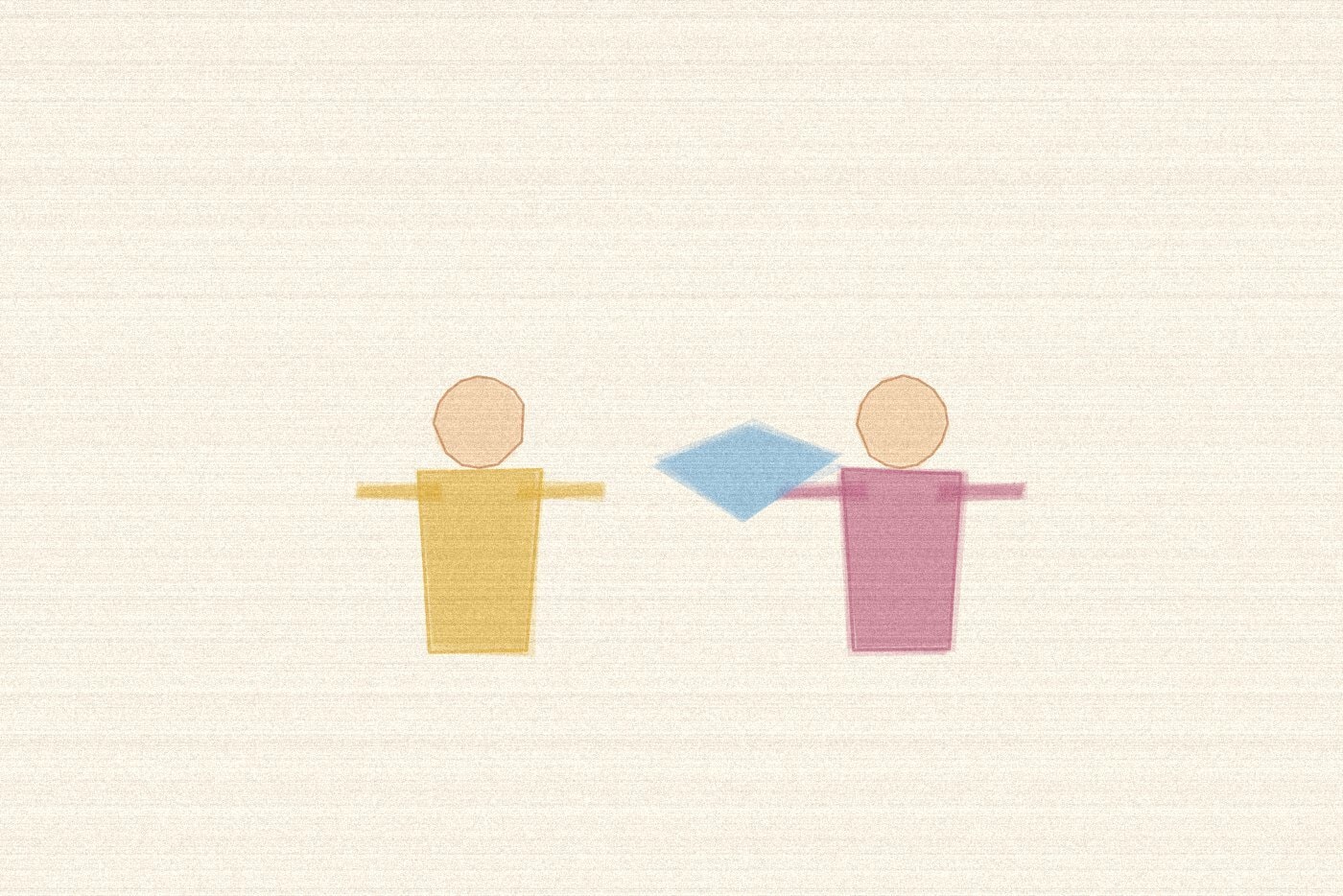
Two puppets, one shiny new toy, and a small, entirely relatable conflict: who gets to play with it first? The Toy Share Story uses puppet theatre to walk young children through a dispute almost every one of them will recognise instantly, without it ever feeling like a lecture about sharing.
What you need
Two hand or finger puppets (or drawings, or any two objects that can stand in as characters if puppets aren’t available). One toy to be the object of the story’s dispute.
How to play
Invent two simple characters, and set up a short scene: both characters want to play with the same new toy at the same time, and neither one is willing to simply give it up. Act out the escalating disagreement with the puppets, exaggerating the frustration a little for effect, children tend to find this genuinely funny even as they recognise the situation.
Then pause the story and turn to the children watching. Ask them directly: what should happen next? What would be fair? What do they think each character should say? Let the group suggest solutions freely, there’s no single correct answer you’re steering them toward, and incorporate a few of their suggestions into how the story resolves.
Close with a clear, simple message, said plainly rather than preached: fighting over a toy usually means nobody actually gets to enjoy playing with it, and ends up making everyone involved unhappier than if they’d found a way to share or take turns.
Variations
For younger children who find a full story hard to follow, drop straight to the puppets acting out the disagreement and go directly to asking what should happen, skipping the longer narrative setup.
Why it works
Watching a conflict play out between two puppets, rather than being told directly how to behave, gives children real distance to think clearly about a dispute, since nobody in the room is personally on trial. Asking them to solve the puppets’ problem, rather than simply being told the right answer, also means they are practising the actual skill, working out a fair solution, rather than just memorising a rule.
This kind of puppet story works best as a conversation starter rather than a one-off lesson, worth returning to whenever a real version of the same dispute comes up between your own children. “Remember what happened with the puppets and the toy?” tends to land considerably better in the heat of a real argument than a fresh lecture would.