A map can start a conversation, but a country is more than a flag, a food or a festival. Worldwide invites children to explore one place through several voices and share something they learned without pretending it represents everyone who lives there.
Choose a question first
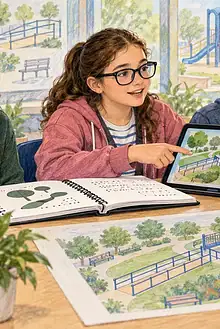
For children ready to browse with adult support, allow a short research session and 20 minutes to share. Use an accessible map, library books and reputable sources. A parent or teacher can read aloud, provide audio or help check a website.
Start with a specific question: How do children travel to school in this city? What languages are used here? What might the weather change about an ordinary day?
Build a small picture of the place
- Locate it on a map. Notice nearby places, land or water without expecting children to memorise borders.
- Look for more than one source, including work by people from the place where possible. Check whether a description is current or historical.
- Choose two or three details that answer the question. Be specific about the community or setting described.
- Find one thing the sources do not tell you. Keep it as an open question rather than filling the gap with a guess.
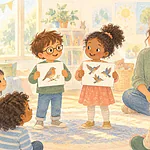
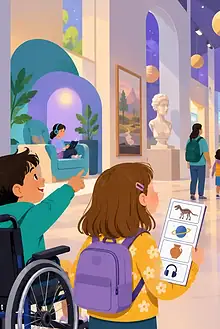
- Share through a drawing, audio note, short talk, tactile map or a few picture cards.
Make room for variety
There may be several languages, faiths, ways of dressing and family traditions within one country. Use phrases such as “In this account…” or “Some families…” rather than “People there always…”
A child with connections to a place may choose to share them, but should not be made the spokesperson for a whole country or culture. Do not ask families to buy clothing, prepare food or disclose personal experiences to complete the activity.
Explore respectfully
Costumes and imitation accents are not required. Avoid copying sacred clothing, ceremonies or objects as entertainment. If you learn a greeting, check its pronunciation and context with a reliable source. A local-language book or a creator’s explanation can offer a better starting point than a list of stereotypes.
For a food extension, use trusted adult supervision and check allergies and dietary needs. Looking at a recipe can be enough; tasting is optional.
Finish with another question
Ask, “What surprised us, and whose perspective have we not heard?” Compare daily experiences without ranking countries or deciding which way of living is best. Save the source titles so you can return to the question later.