Pick a topic, split into two sides, and ask each side to argue a position whether or not it’s the one they actually believe. Family Debate Night turns a simple disagreement into real, structured practice at building and defending an argument.
Why this helps
Arguing a position, especially one you don’t personally hold, forces genuinely deep engagement with a topic: you have to understand the strongest version of an argument well enough to defend it convincingly, which builds real critical thinking in a way that simply stating an opinion never quite manages.
What you need
A topic worth genuinely debating. A rough time limit for each side’s turn to speak.
How to play
Choose a topic with real, legitimate room for disagreement, something age-appropriate and genuinely debatable: should screen time be earned through chores? Is it better to save allowance or spend it right away? Should bedtime be the same for every age in the house?
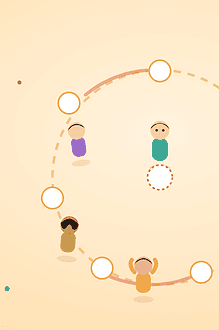
Split the group into two sides. Where possible, deliberately assign people to argue the position opposite to what they actually believe, which pushes them to genuinely understand the other side’s reasoning rather than simply repeating their own existing opinion. Give each side a set time to present their argument, alternating turns, and let the other side respond directly to specific points raised.
Keeping it structured and fair
Set a clear time limit per turn, and establish one firm rule from the start: respond to the actual argument just made, not to the person making it. A grown-up or an older sibling can act as a light-touch moderator, keeping things on topic and fair without shutting down genuine disagreement.
Why arguing the “wrong” side is the real value
The version of this game where everyone simply argues what they already believe produces far less real thinking than when people have to argue a position they don’t personally hold. Defending an unfamiliar or opposing view forces a kind of effortful, genuine understanding that stating your own opinion never requires.
A debatable topic, two sides, and a rule requiring everyone to engage with the actual argument rather than the person making it, turns family disagreement into a structured, genuinely valuable exercise in thinking something all the way through.