A task that’s “almost done” at the moment attention wanders off to something more interesting is a familiar frustration in most households. Completing a Task breaks the whole process down so a child can see it through, start to finish, far more reliably.
Why this skill matters
Finishing what’s been started, a chore, a piece of homework, a project, builds a child’s confidence in their own follow-through, and it’s a skill that shows up constantly, in school, in sports, and eventually in work. A child who’s never been taught how to actually see a task through tends to abandon things partway far more often, not out of laziness, but simply because nobody showed them how to manage the process.
The steps
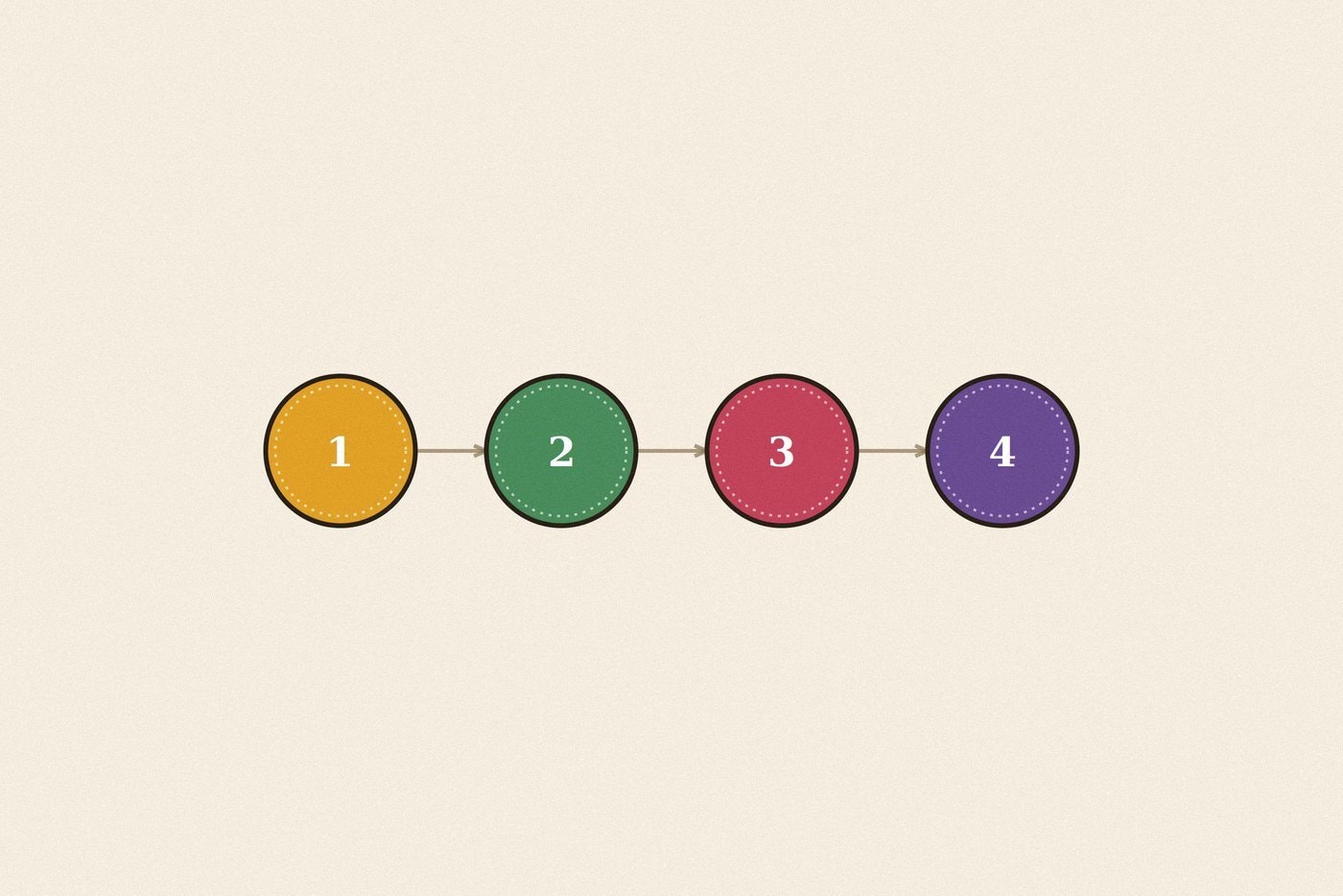
1. Understand what finished actually looks like before you start. Knowing the end goal clearly makes it much easier to know when you’ve actually gotten there.
2. Gather what you need first. Starting without the right materials or information often leads to a frustrating, stalled middle.
3. Work through it steadily, without jumping to something else. Staying with one task until it’s done, rather than bouncing between several half-finished ones, is often the hardest part.
4. Check your work before calling it finished. A quick look back catches the small things worth fixing before moving on.
How to teach this at home
Break larger tasks into clear, visible smaller steps for a child who’s still learning this skill, a checklist works well, since checking something off provides a small, real sense of progress along the way. Resist jumping in to finish a task for your child the moment they start to lose focus, a gentle prompt back to the task, rather than taking over, builds the actual skill instead of just getting the task done faster.
Praise genuine completion specifically, “you stayed with that until it was actually finished,” which reinforces the follow-through itself, not just the final result.
Why defining “finished” matters more than it seems
A surprising amount of abandoned tasks come down to a child genuinely not being sure what “done” actually looks like, so they drift away once it feels roughly complete rather than actually complete. Taking a moment to clarify the end goal before starting, together, removes a lot of the ambiguity that leads to tasks quietly stalling out partway.
A clear sense of the goal, the right materials gathered up front, and a habit of checking the work at the end turns “I’ll finish it later” into something a child can actually, reliably follow through on.