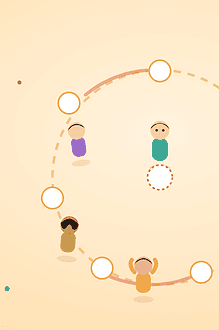
Raising a hand in a room full of other people, risking the possibility that the question sounds obvious or silly, takes real nerve, and plenty of children simply stay quiet rather than risk it. Asking a Question in a Group gives them a concrete way to do it anyway.
Why this skill matters
A child who’s too nervous to ask a genuine question ends up missing out on real understanding, sitting silently confused rather than getting the clarity a simple question could have provided. Children who learn to ask questions comfortably tend to learn faster and more thoroughly, simply because they’re willing to close the gaps in their own understanding rather than quietly living with them.
The steps
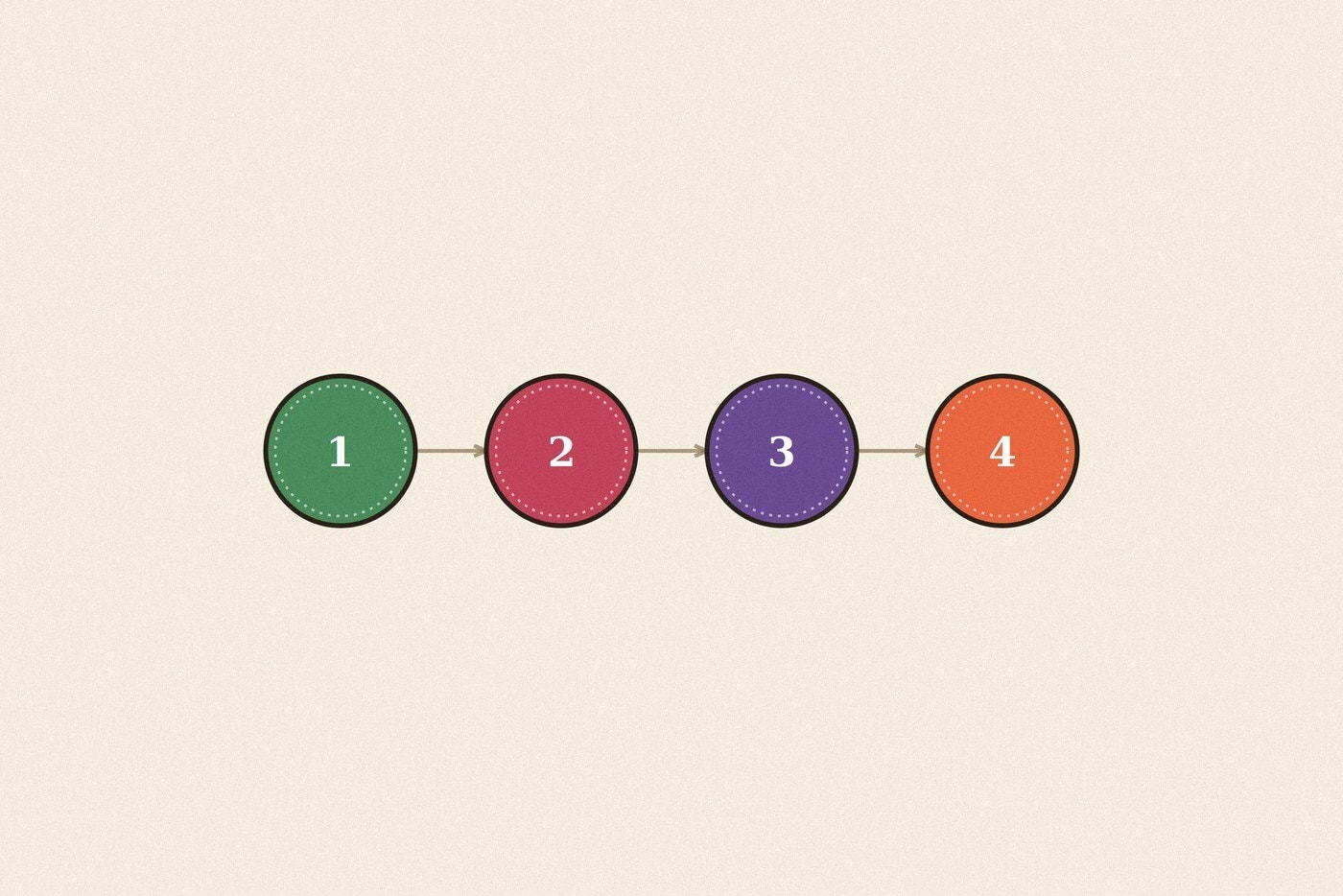
1. Decide your question is genuinely worth asking. If you’re confused, there’s a good chance someone else in the room is too.
2. Wait for an appropriate moment. A natural pause, or a specific invitation for questions, is usually the right time.
3. Raise your hand and wait to be called on. Patience here matters as much as the question itself.
4. Ask the question clearly and specifically. A clear, specific question gets a far more useful answer than a vague “I don’t get it.”
How to teach this at home
Normalise asking questions in your own everyday conversation, asking your child clarifying questions yourself, and visibly asking other adults questions when you genuinely don’t know something, which shows that asking isn’t a sign of weakness at any age. Praise your child specifically when they ask a good question at home, “that was a really clear question, well asked,” so they build confidence with the skill in a low-stakes setting before using it somewhere more public.
Why specific questions get better answers
A vague “I don’t understand” leaves whoever’s answering guessing at what’s actually unclear, while a specific question, “I don’t understand why this part happens before that one,” gives them something concrete to actually address. Practising the specific phrasing at home, where a wrong attempt costs nothing, makes it far easier to ask clearly in a room full of other people later.
A child who’s practised the simple mechanics of raising a hand, waiting patiently, and asking clearly tends to actually use the skill when it matters, rather than quietly staying confused out of nerves that a bit of practice could have eased considerably.