Plenty of children would rather struggle silently, or quietly give up, than actually ask for help, often because they’ve never been taught exactly how, or worry it makes them look like they can’t manage on their own. Asking for Help turns a genuinely useful skill into something concrete and practised.
Why this skill matters
A child who can ask for help clearly and at the right moment solves problems faster, learns more, and avoids the frustration of struggling alone with something that a simple question could have resolved. Children who never learn this skill often either give up entirely when something gets hard, or push through silently in ways that leave real gaps in their understanding.
The steps
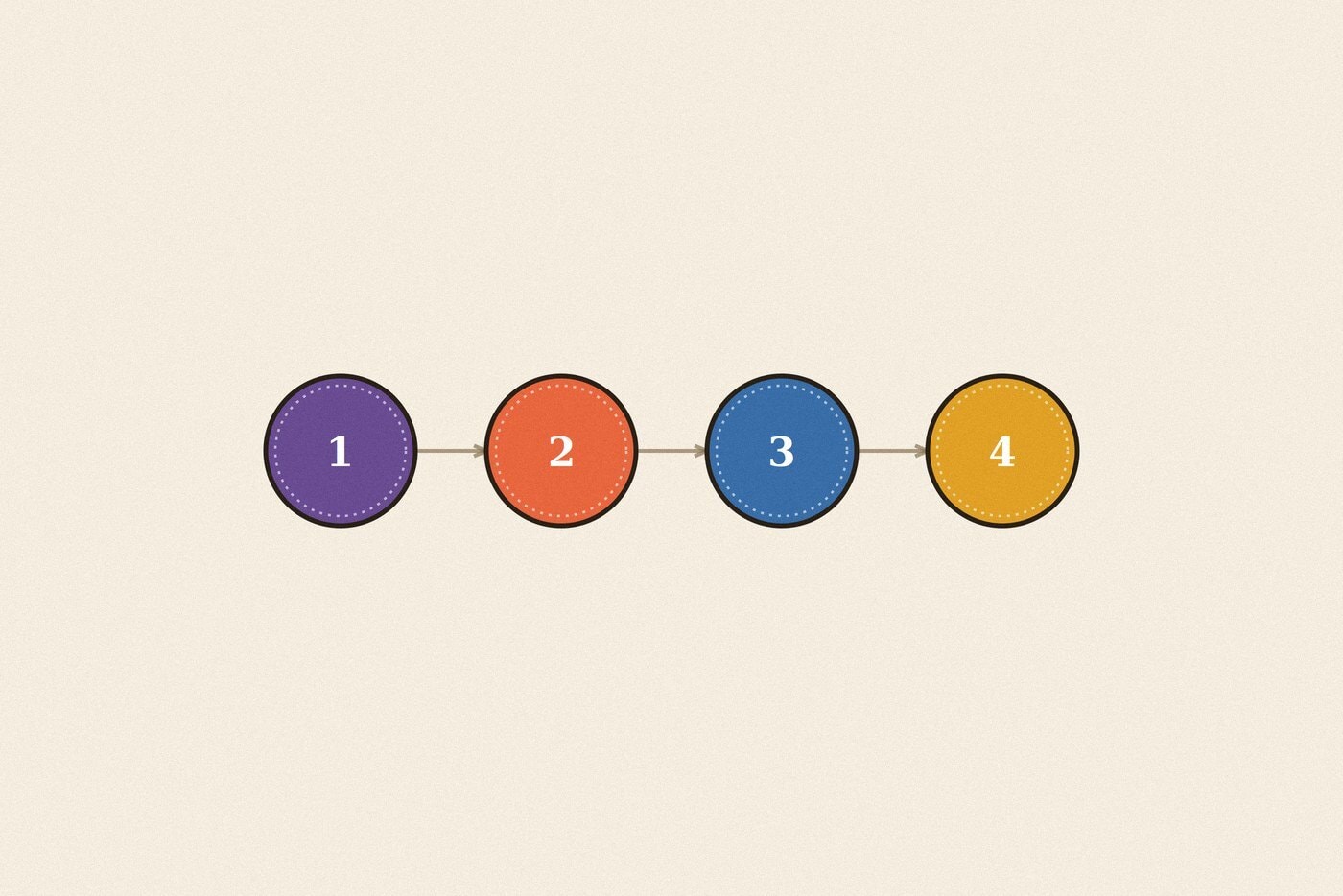
1. Decide you’ve genuinely tried first. Asking for help works best after a real attempt, not instead of one, since trying first also helps you ask a more specific, useful question.
2. Find the right person and the right moment. Someone who can actually help, and a moment when they’re genuinely available to.
3. Explain clearly what you need help with. Being specific, “I don’t understand this part,” rather than “I don’t get it,” makes it far easier for someone to actually help.
4. Say thank you once you’ve gotten help. Closing the loop with genuine thanks makes the person more willing to help again next time.
How to teach this at home
Normalise asking for help by modelling it yourself, out loud, regularly: “I’m not sure how to fix this, I’m going to ask your father,” which shows your child that even capable adults ask for help without it being a sign of failure. When your child does ask for help well, name it specifically, “you explained exactly what part was confusing, that made it really easy to help you.”
Why trying first genuinely matters
A child who asks for help before attempting anything themselves often ends up more dependent, not more capable, over time. Building in “try first, then ask” as a genuine step helps a child develop their own problem-solving instincts, while still giving them full permission to ask once they’ve genuinely made an effort and are still stuck.
A clear, practised way to ask for help, rather than silent struggle or an instant reach for someone else to solve it, gives a child a genuinely useful tool, one that serves them well in a classroom, at home, and for the rest of their life.