Pair up with someone you don’t know well, spend a few minutes finding out as much about them as you genuinely can, and then introduce them, not yourself, to everyone else. The Partner Interview shifts the usual pressure of self-introduction onto a far more comfortable task: talking about someone else.
Why this helps
Introducing yourself can feel exposing, especially for a shy child or a genuinely new group, while introducing someone else tends to feel considerably easier, and it has the added benefit of requiring real, active listening during the interview itself, rather than simply waiting for your own turn to speak.
What you need
Pen and paper for notes, optional. Enough space for pairs to talk without too much overlapping noise.
How to play
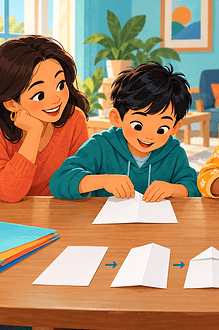
Ask everyone to choose a partner they don’t already know well. Give each pair a set amount of time, five minutes each way works well, to interview one another, encouraging genuine curiosity rather than a rushed, surface-level exchange.
Once both interviews are done, bring the group back together and ask each person to introduce their partner to everyone else, based on what they learned.
Variations
For a larger group, this works best kept to pairs under about twenty people total, beyond that, consider running it in smaller clusters rather than one large circle, simply to keep everyone’s attention through all the introductions.
Add a specific prompt to guide the interview if a pair seems stuck for questions, “find out their favourite way to spend a weekend” or “find out something they’re proud of,” which gives a nervous interviewer somewhere concrete to start.
Why listening, not talking, is the real skill here
The genuine value of this exercise sits in the interviewing half as much as the introducing half, a good introduction depends entirely on having actually listened well during the interview itself. A child who’s practised asking real, curious follow-up questions, rather than just waiting for their turn, is building a skill that matters considerably beyond this one activity.
A simple pairing, a few minutes of genuine curiosity, and an introduction given on someone else’s behalf takes the pressure off self-presentation entirely, while quietly building real listening skills in the process.