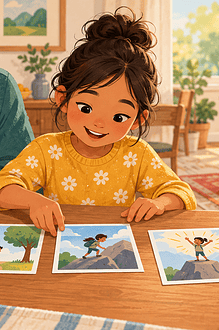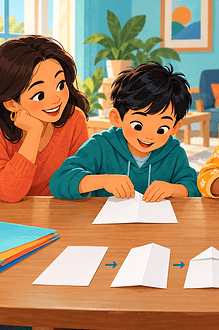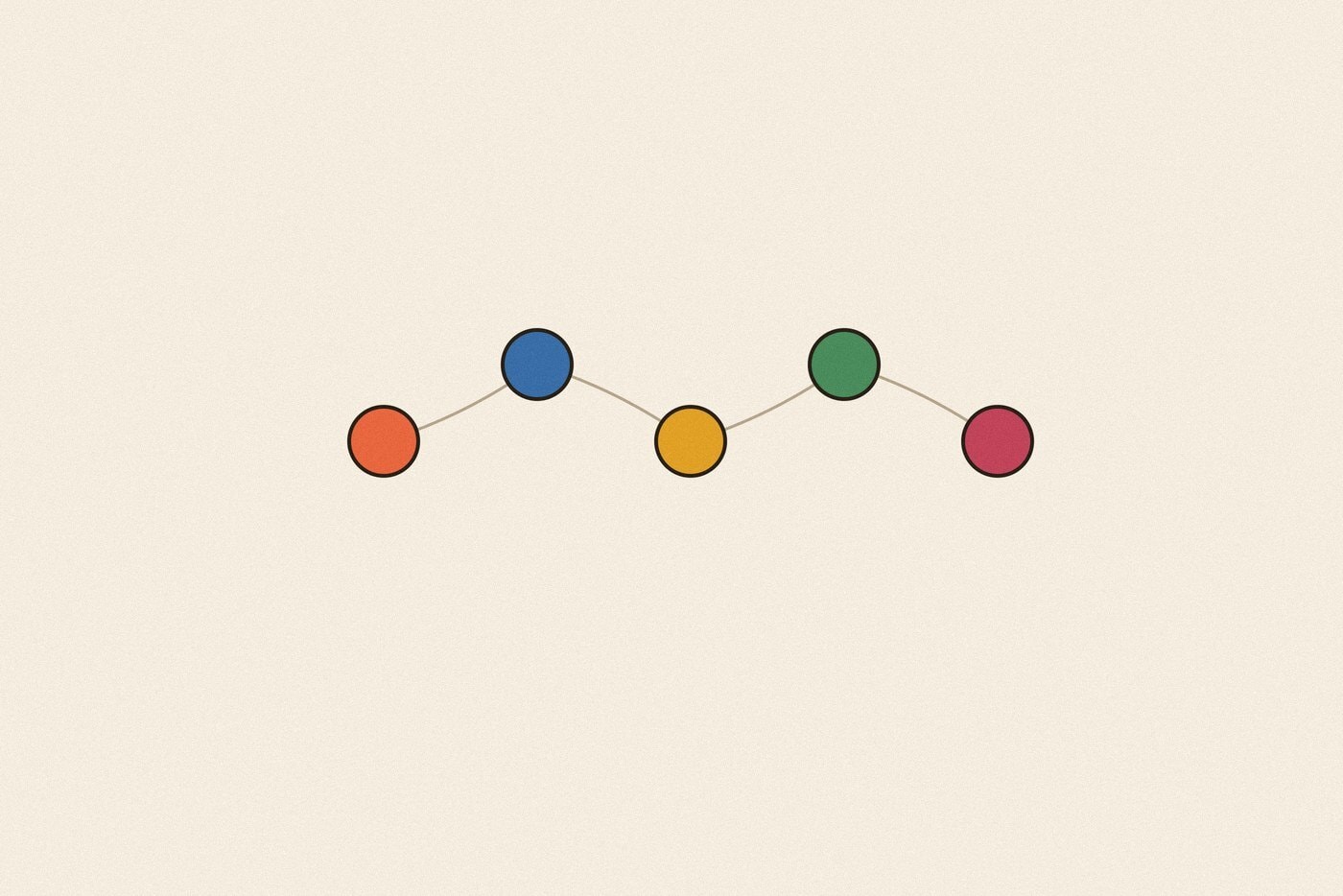
Draw a single line across a long sheet of paper, mark your birth at one end, and fill in everything that’s happened since. The Lifeline Drawing turns the abstract idea of “telling your story” into something a child, or a whole family, can actually see and point to.
Why this helps
Children often struggle to describe themselves in the abstract, asked directly “tell me about yourself,” most draw a blank. A timeline gives them something concrete to build outward from, one event at a time, and the physical act of placing memories in order helps a child develop a clearer sense of their own story as something that’s been building continuously, not just a collection of disconnected moments.
What you need
A long sheet of paper, taped-together sheets of flip chart paper work well. Markers or crayons.
How to play
Turn the paper sideways and draw a single line across it. At one end, mark your date of birth. Working along the line, add the events that shaped who you are today, they can be personal, something you learned, somewhere you went, or simply something that mattered to you, in whatever order they actually happened.
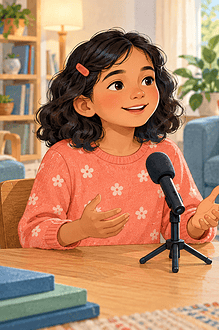
Once the line is filled in, each person explains their lifeline to the rest of the family, walking through the events in order and saying a little about why each one mattered.
Variations
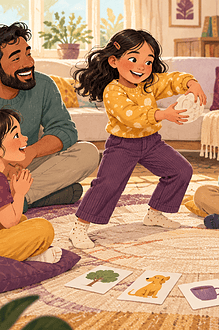
For a family version, build everyone’s lifelines on the same long sheet of paper, stacked one above another, which makes it easy to notice which events overlapped for different family members, a sibling’s birth, a house move, a shared trip.
Revisit an old lifeline every year or two and add the new events since the last version, which turns it into an ongoing family record worth keeping.
Why explaining it out loud matters as much as drawing it
The real value here isn’t just the finished drawing, it’s the moment each person actually narrates their own story to an audience that’s genuinely listening. A child who’s had practice explaining their own life events in order tends to develop a steadier, more coherent sense of their own story, which is a genuinely useful thing to have well before anyone asks them a harder version of “tell me about yourself” later in life.
A single line, drawn once and added to over the years, becomes a real, growing record of a child’s own story, in their own words, which is worth considerably more than it costs in paper and a bit of unhurried time.