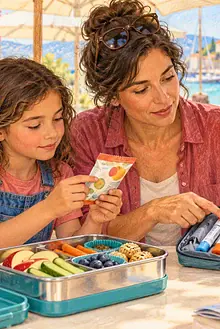
A long layover is not simply empty time between flights. For a child, it may contain hunger, pent-up movement, sensory overload, toileting, medicine timing and uncertainty about what happens next. A useful plan gives each need a place while protecting a generous return-to-gate buffer.
- Confirm the facts before relaxing
- Make one adult the timekeeper
- Use the layover in a sensible order
- Choose movement that fits the airport
- Plan food without depending on one outlet
- Protect rest and sensory recovery
- Keep medicine timing in local context
- Give children a simple map of the wait
- If the connection changes
- Protect the final half-hour
- Sources and further reading
Confirm the facts before relaxing
After arrival, check the next flight, terminal, gate estimate and boarding time using the airline or airport’s official source. Gates can change. Note how long it took to walk from the aircraft and whether security or border control is required again. Ask staff when the route is unclear rather than relying on a map screenshot.
Make one adult the timekeeper
Set two alarms: one for beginning the return journey and one for the latest safe arrival near the gate. Build in time for a slow child, lift queues, a nappy change or an accessible route. The family should not be finishing a meal when boarding begins.
Use the layover in a sensible order
- Toilet, nappy change and essential medicines.
- Food and drinking water.
- Movement in a safe, permitted area.
- Quiet recovery or sleep.
- Return to the gate early enough to regroup.
The order can change, but meeting basic needs before entertainment prevents the final hour becoming a scramble.
Choose movement that fits the airport
Look for a children’s play zone, an uncrowded concourse or a safe stretch for walking. Keep children away from moving walkways, baggage belts, escalator edges and vehicle lanes. A toddler needs close supervision even inside a play area. Older children can help choose a route while remaining within the agreed family boundary.
Plan food without depending on one outlet
Carry a modest safe snack buffer within security and customs rules. Airport outlets may close, queues may be long, or familiar food may be unavailable. For allergy needs, keep medicines accessible and verify ingredients rather than assuming a chain uses the same recipe everywhere; see this allergy-aware travel plan.
Protect rest and sensory recovery
A baby may need a safe sleep arrangement that follows the family’s established guidance. A sensory-sensitive child may need headphones, lower light and fewer questions. A quiet corner is not automatically secure: keep documents and bags with an awake adult. For disability-related assistance, confirm the next handoff early using the steps in this accessible family travel guide.
Keep medicine timing in local context
Follow the child’s written plan. Time-zone changes and delays can make dosing confusing, so ask a clinician or pharmacist before travel rather than improvising intervals. Record what was given and when. Never pack every dose in checked luggage; the travel medicines guide covers practical handoffs.
Give children a simple map of the wait
Try: “First toilet, then lunch, then two laps, then quiet time, then gate.” Use pictures or fingers for a child who does not read. For teens, share the real deadline and agree where everyone meets if they visit nearby shops.
If the connection changes
Tell the child the next known step rather than narrating every adult worry. Keep one caregiver emotionally available while the other speaks with staff. If rebooking means leaving the secure area or staying overnight, verify accommodation, transport and document requirements through official channels.
Protect the final half-hour
Once the family is back near the gate, refill water where permitted, check the toilet need one last time and repack loose items. Keep the boarding documents with one adult and prepare whatever the child needs first on the aircraft. Avoid opening a new activity that will be hard to stop. The calmest layover can still unravel if the last transition is treated as spare time.