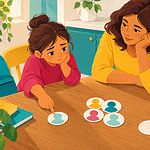
For many children, a pet is woven into breakfast, play, comfort and homecoming. Its death can be their first close experience of loss. There is no need to minimise it or rush a child toward feeling better.
Use clear, honest words
Say, “Milo died. His body stopped working, so he cannot breathe, eat or feel pain now.” Euphemisms such as “went to sleep” can confuse young children or create fear of sleep. If euthanasia was involved, explain simply that a veterinarian helped the pet die peacefully because its body could not recover.
Share spiritual beliefs as beliefs: “In our family, we believe…” Avoid presenting uncertain answers as facts. It is okay to say you do not know and to welcome another question later.
Expect grief to change shape
- A preschooler may ask the same question repeatedly.
- A school-age child may worry about responsibility or other deaths.
- A teen may grieve privately or feel friends do not understand.
- Any child may move between sadness and ordinary play.
Play does not mean the pet was forgotten. Anger, guilt and relief after a long illness can also appear. Correct false responsibility gently: “Nothing you said or thought caused this.” Keep school or childcare informed if the child wants trusted adults to know.
Create a choice, not an obligation
Offer a small ritual: choose photos, draw a picture, plant something, write a memory or share funny stories. Let children opt out. Keep a collar or favourite object only if it comforts them. Maintain ordinary routines while allowing extra closeness and flexible expectations for a few days.
Answer practical questions
Children may ask where the body is, whether death hurts, or when another pet will arrive. Give short factual answers appropriate to their age. Do not rush to replace the pet to stop sadness; discuss another animal only when the whole family is ready and understands that it will be a different relationship.
When grief needs more support
Seek qualified help if intense distress persists, worsens or seriously disrupts sleep, eating, school or relationships. Any talk of self-harm or suicide needs urgent local support and close adult presence.
Related: support for sensitive feelings and child-led connection.