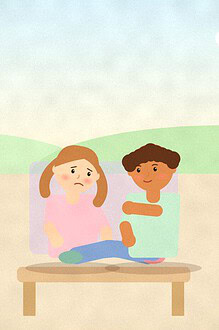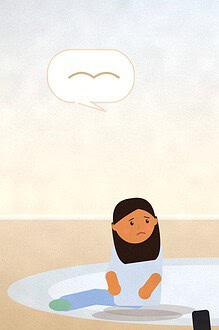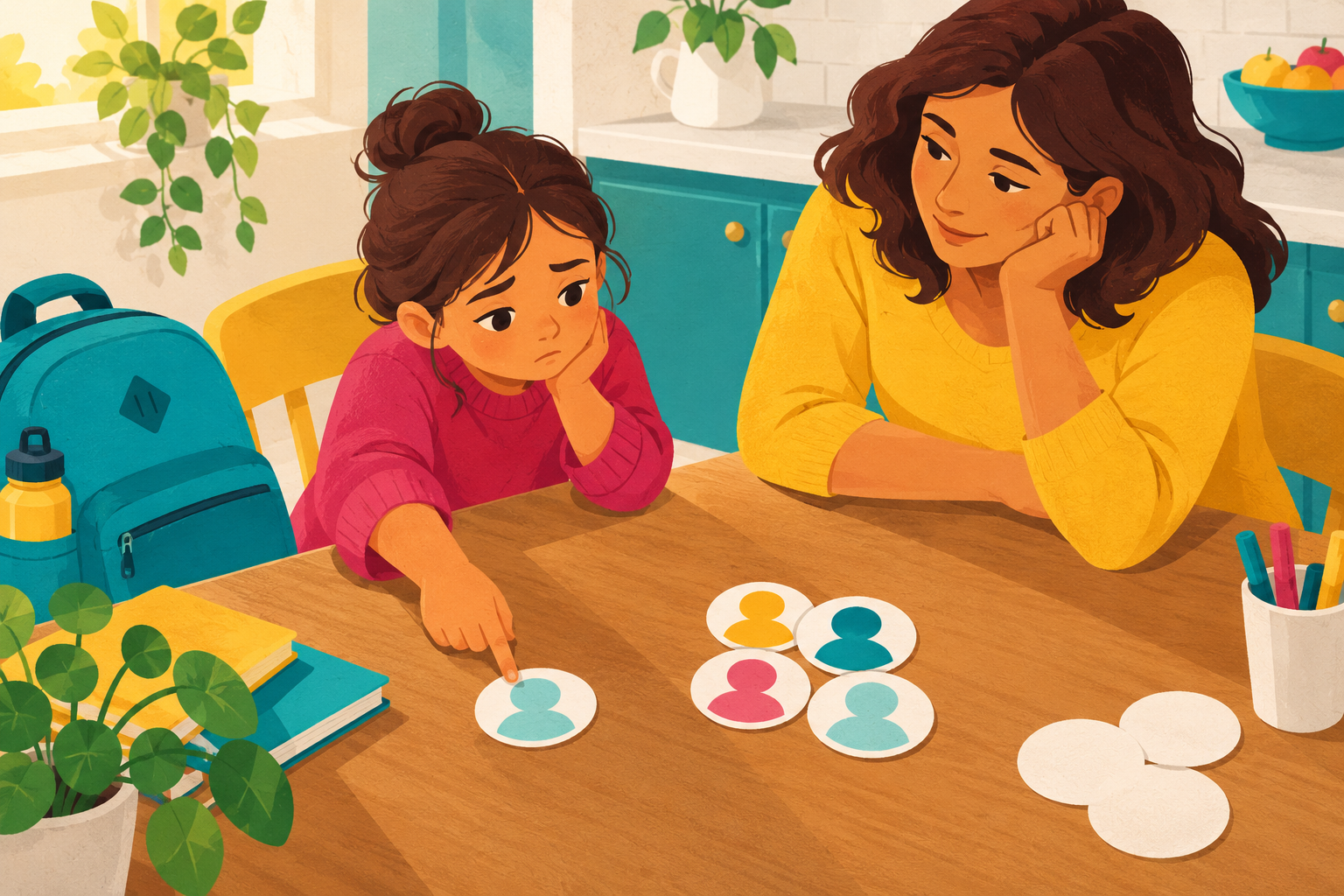
Being left out hurts even when it happens once. Your child needs care before classification. Start with, “I’m glad you told me. That sounds lonely.” Then gather enough detail to decide whether this is a friendship problem, a conflict or bullying.
Understand the distinction
Bullying involves unwanted aggressive behaviour, a real or perceived power imbalance, and repetition or the potential to repeat. A single exclusion may not meet that definition, but it still deserves attention. Avoid labelling too quickly; the right response depends on what happened.
Gather facts without interrogation
- What happened before, during and after?
- Who was present, and how often has this occurred?
- Is your child afraid it will happen again?
- Is there a power difference involving popularity, size, age, information or a group?
- Are messages, screenshots or injuries involved?
Write dates and exact words. Save relevant digital evidence without reposting it. Do not tell a child simply to ignore repeated aggression or fight back. Check whether the child wants you beside them while speaking with school.
Match the response to the problem
For a one-off friendship rupture, help rehearse a low-pressure sentence: “Can I join the next round?” or “I felt left out when the plan changed.” Encourage more than one connection so one friendship does not carry everything.
For a pattern or safety concern, contact the teacher, counsellor or safeguarding lead. Share observable facts and ask what supervision, documentation and follow-up will occur. Avoid confronting another child or family in the heat of the moment; that can escalate risk.
Make a safety plan
- Identify safe adults and places.
- Choose how the child will signal for help.
- Plan transitions or online blocks if needed.
- Set a date to review whether the plan worked.
If exclusion persists, affects attendance, sleep or mood, or your child feels hopeless, seek qualified support. Threats, assault, sexual harm or immediate danger require urgent safeguarding and local emergency help.
Related: shared play and difficult game moments.
Protect belonging outside the problem
Keep access to places where your child feels competent and welcome—a club, cousin, neighbour, faith community or interest group. This does not excuse school exclusion. It gives the child relationships and identity that are not controlled by the difficult peer group.