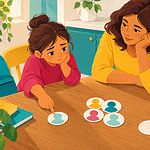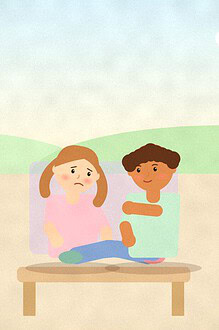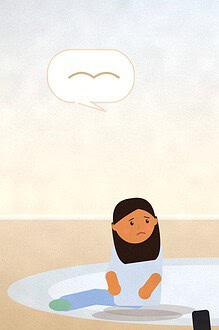
A new school asks a child to learn buildings, routines, names and social rules at the same time. Friendship may grow slowly. The useful goal is not “find a best friend this week,” but create repeated chances for one safe connection.
Make the unfamiliar predictable
Visit the route or entrance if possible. Find the classroom, toilets, lunch area and a trusted adult. Ask about buddy systems, clubs and how new students are introduced. A simple map or photo sequence can help younger children and children who prefer visual information. Make sure your child knows how to ask for help if they become lost or overwhelmed.
Choose one small social step
- Learn one classmate’s name.
- Sit near the same group at lunch.
- Ask one practical question.
- Join an interest-based activity.
- Say hello to someone met yesterday.
Practise a few natural openers: “Is this seat free?” “How does this game work?” or “I like drawing too.” Rehearsal should offer words, not turn interaction into a performance test. Celebrate attempts rather than demanding a friendship report every afternoon.
Build from interests
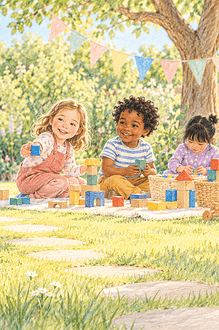
Clubs, sport, music, games, volunteering and quiet library activities create repeated contact around a shared focus. Let temperament guide the setting. A shy child may do better with one peer; a multilingual child may need extra processing time; a neurodivergent child may prefer structured activities and explicit social information.
Support without taking over
Ask, “Would you like ideas, practice or just listening?” Avoid arranging every interaction or insisting on a particular friend. If the child wants, invite one classmate for a short, structured activity with a clear end time. Check transport, cost and accessibility before suggesting plans.
Partner with school
If weeks pass with no connection, or your child is distressed, ask the teacher what they observe during unstructured times. Request one concrete support, such as a lunch club or thoughtful seating, then review it. Persistent isolation, bullying, school refusal or major changes in sleep and mood deserve qualified support.
See supporting a slow-to-warm child and bilingual language development.
Keep old connections where possible
A familiar friend or relative can provide continuity while new relationships grow. Agree on manageable calls, messages or visits without using the old friendship to avoid every new opportunity. Children can belong in more than one place at once.