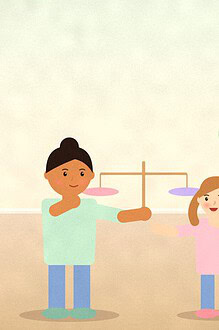
When a multilingual toddler is slow to speak, families are often told to “pick one language.” That advice can separate a child from grandparents, stories and everyday family life. It is also not supported by current guidance: learning more than one language does not cause a speech or language disorder.
Count communication across languages
A child may know “water” in one language and “shoe” in another. Those are both words. Vocabulary can be distributed across languages because children hear different people discuss different parts of life. Mixing languages in a sentence is also a normal, resourceful way to use what the child knows.
Look beyond totals. Notice gestures, understanding, shared attention, new words over time and whether the child can communicate needs and interests.
Use the language that feels richest
Speak, sing, joke and read in the language you use most naturally. Warm, responsive conversation is more valuable than an adult using a language they barely know because they believe it is “better.” Different caregivers may use different languages. Consistency can help routines, but families do not need a rigid one-person-one-language rule.
If you are concerned
A real language difficulty can occur in a multilingual child, but bilingualism is not the cause. Developmental language disorder generally affects all the languages a child uses, though it may look different in each one.
Ask for an assessment that considers:
- all languages the child hears and uses;
- how long and where each language is heard;
- examples from family and education settings;
- hearing and broader development;
- trained interpreters or multilingual professionals when needed.
A test designed only for monolingual children may misrepresent a multilingual child’s abilities. Ask how the assessor will distinguish limited exposure from a persistent difficulty.
Small daily supports
Follow the child’s interest, add one idea to what they say and leave space for a response. Read familiar books repeatedly. Tell family stories, name objects during real tasks and welcome gestures, signs and pictures alongside speech.
Seek prompt advice if your child loses words or gestures, seems not to hear, or communication concerns persist across languages. For more interaction ideas, try a child-led way into play and clearer everyday requests.