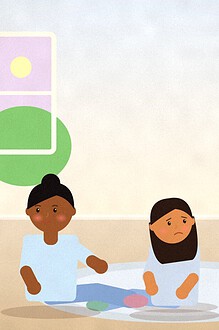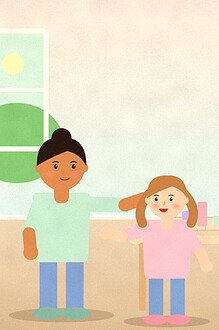
When a child says, “I’m stupid,” the natural impulse is to answer, “No, you’re not!” Reassurance comes from care, but a quick contradiction can close the conversation before you learn what happened. The sentence is often a signal of frustration, shame, comparison or fear—not a request for a debate about intelligence.
Begin with connection and curiosity
Lower your voice and move close without crowding. Try: “That sounds like a really hard thought. What happened just before you felt that way?” If your child cannot answer, offer a specific observation: “Was it when the maths page got difficult, or when someone laughed?”
Reflect the feeling without agreeing with the label: “You felt embarrassed when you made that mistake.” This separates the event from the child’s identity. Avoid lectures, forced positivity or comparisons with siblings. The goal in the first minute is safety and understanding.
Turn the global label into a solvable problem
Once your child feels heard, gently narrow the statement:
- “This spelling pattern is hard for me yet.”
- “I forgot one step and I can check it.”
- “I felt left out at lunch and I need help deciding what to do tomorrow.”
Do not insist on “yet” if it annoys your child. Other accurate language works: “I’m learning,” “I need another example,” or “I can take a break and return.” Accuracy is more believable than a cheerful claim your child does not accept.
Offer help in the smallest useful dose
Ask, “Do you want me to listen, help you make a plan, or practise one part with you?” For schoolwork, solve the first step together and let the child try the next. For a social setback, rehearse one sentence they could use. For a performance mistake, review what is controllable before the next attempt.
Notice specific effort, choices and progress: “You asked for an example when you were stuck,” rather than “You’re so smart.” The ideas in specific, honest praise show how to encourage without creating pressure to prove a fixed label.
Build a less critical family language
Children hear how adults talk about themselves. Replace “I’m terrible at this” with “I made a mistake; I’ll slow down.” Welcome correction without making it a character test. At meals or bedtime, occasionally ask, “What was tricky today, and what helped?”—not only “What did you achieve?”
Keep humour kind. Teasing about intelligence, appearance, sensitivity or mistakes can reinforce the child’s harsh inner voice even when adults intend affection. If siblings use labels, set a clear boundary and help them describe the behaviour instead.
When to seek more support
Arrange help from a school counsellor, paediatrician, GP or qualified mental health professional if negative self-talk is frequent, intense or worsening; affects sleep, eating, friendships or school; comes with persistent sadness, anxiety, withdrawal or loss of interest; or includes hopelessness.
Take any talk of self-harm, suicide or not wanting to be alive seriously. Stay with the child, remove immediate dangers where you can and contact local emergency or crisis support promptly. Do not promise secrecy.
For recurring worries alongside self-criticism, use the practical guidance in supporting children’s worries and fears. One hard sentence does not define a child, but a repeated pattern deserves steady attention.