By EdCaptain editorial desk · Published
Children everywhere have things they are entitled to simply because they are children, not because they earned them or because an adult decided to be kind. Knowing Your Rights introduces children to the basic idea behind the UN Convention on the Rights of the Child, the most widely accepted human rights agreement in history, in language they can actually hold onto.
What you need
Paper and crayons or pencils. A simplified list of a few rights, written out in plain language (see below).
How to play
Start with a simple, open question: what does a child need to be happy and healthy? Let your child answer freely, food, a safe home, friends, school, being listened to, and write or draw the list together as they come up with it. Point out, once the obvious things (food, shelter) are named, that some of the things children need are less visible: being cared for, being included, having someone who listens when something is wrong.
Introduce the idea of a “right” simply: something every child should have, not because they did anything to deserve it, but just because they are a child. Explain that because this matters so much, most countries in the world have formally agreed, through something called the Convention on the Rights of the Child, to protect children’s rights.
Share a handful of rights in plain language, a few worth starting with:
- You have the right to be treated fairly, no matter your background, gender, or ability.
- You have the right to an opinion, and to be listened to and taken seriously.
- You have the right to play.
- You have the right to an education.
- You have the right to be protected from harm and from being treated cruelly.
- You have the right to your own culture, religion, and language.
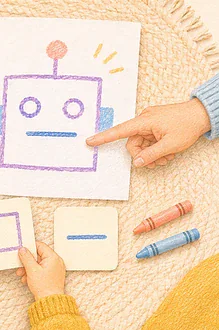
Ask your child to pick one right that feels especially important to them, and draw a picture representing it.
The conversation worth having
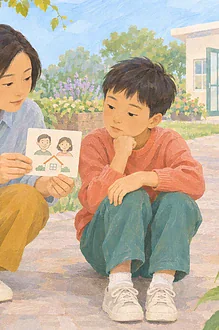
Ask directly: do you think every child in the world actually gets these rights? Why or why not? Can you think of a situation where a child might not have one of these things? This naturally opens into a genuinely worthwhile, age-appropriate conversation about fairness and empathy, without needing to dwell on anything frightening or overly specific.
Why this is worth teaching early
A child who understands, even in simple terms, that they have real rights, not privileges handed out at an adult’s discretion, tends to develop a stronger sense of their own worth and a clearer sense of what fair treatment actually looks like, for themselves and for other children. It also plants an early seed of empathy: once a child has internalised that every child shares these same basic entitlements, noticing when another child is missing out on one becomes considerably more natural.
The full Convention on the Rights of the Child, including a version written specifically for children, is freely available from UNICEF and worth returning to as your child gets older and ready for more of its detail.
A short conversation about rights is unlikely to change how a child sees the world in a single sitting. But a child who grows up knowing, clearly and early, that fairness is something they are entitled to, not something extended to them as a favour, tends to carry that understanding into how they treat other people for the rest of their life.