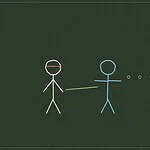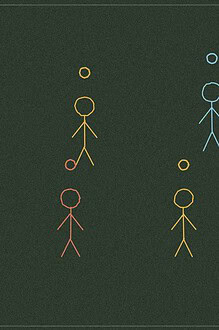
A balloon tied to a wrist, a small group whose only job is to protect it, and another group whose only job is to pop it. Underneath a genuinely fun, energetic game sits a surprisingly direct way of teaching children about something they rarely get to safely practise: the different roles people play when someone is being targeted or treated unfairly, and which of those roles they want to choose for themselves.
What you need
Balloons and string, enough for roughly a quarter of the group. A large open space, indoors or outdoors, with enough room for people to move around freely.
A safety note before anything else: popped balloon fragments are a genuine choking hazard for children under three, and this version of the game is not appropriate for that age group. For any group with younger children mixed in, either run this with older children only, or adapt it into a version using something other than balloons, such as crumpled paper balls, since the roles and lesson matter far more than the specific prop.
How to run it
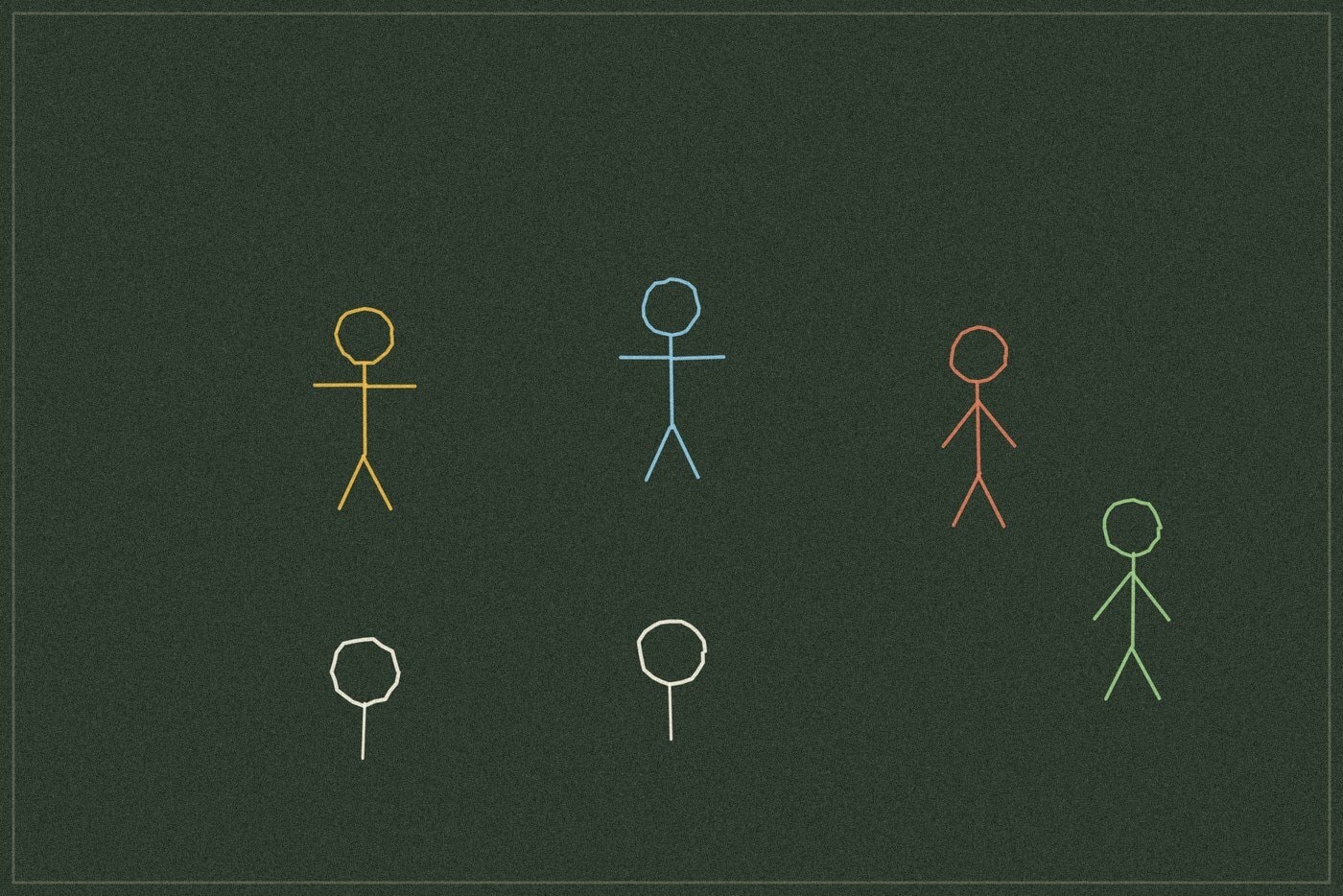
Divide the group into roughly four equal parts. Each part gets different, private instructions, given outside the room or play area so the other groups do not overhear.
Group one gets a balloon each, tied securely to a wrist or ankle. Their only job is to keep playing normally while wearing it.
Group two is told that when the game starts, each of them should stand near one person from group one and protect that person’s balloon from being popped, without talking.
Group three is told their job is to pop as many balloons as possible, as fast as they can, without talking, and with one firm rule stated clearly: hands only touch balloons, never any part of another person’s body.
Group four is told to simply watch silently, without taking any action either way.
Bring everyone back together, start the game, and let it run for about a minute, which is usually enough time for most or all balloons to be popped.
The conversation afterward
- How did it feel to be in your group’s role? Was it what you expected?
- What strategies did you try?
- If we swapped group three (the poppers) and group four (the silent watchers) into one combined group next time, how do you think that would change things?
- In a real situation, which role do you think you’d naturally take? Has that changed after playing this?
What this is actually teaching
The four roles in this game map directly onto the real dynamics of bullying: the person being targeted, the people actively protecting them, the people actively causing harm, and the people who simply watch and do nothing. Playing it out physically, rather than just discussing it, gives children a felt sense of each role, including the uncomfortable one: realising what it is like to be a silent bystander who does not intervene, which is often the role most children have actually occupied in real situations but rarely examine honestly.
The discussion question about combining the “popper” and “silent bystander” groups is deliberately pointed. It invites children to notice that doing nothing while harm happens is not a neutral position, which is a genuinely important and often under-discussed idea.
A note on keeping the tone light
Frame the “popping” group as playful rather than genuinely hostile; this is a game, not a simulation of real cruelty, and the debrief conversation is where the serious point gets made, not the game itself. Keep energy upbeat during play, and save the more thoughtful framing for the discussion afterward, once everyone has had fun first.
Adapting it
For younger children (over three, where balloons remain appropriate), simplify to just two roles, protectors and poppers, without the added bystander group, to keep the structure easier to follow. For a smaller family setting, this adapts reasonably well with just three or four people and one balloon, rotating through roles across a few short rounds instead.