By EdCaptain editorial desk · Published · Updated
General educational guidance. No qualified clinical review is recorded for this article. Health and safety information.
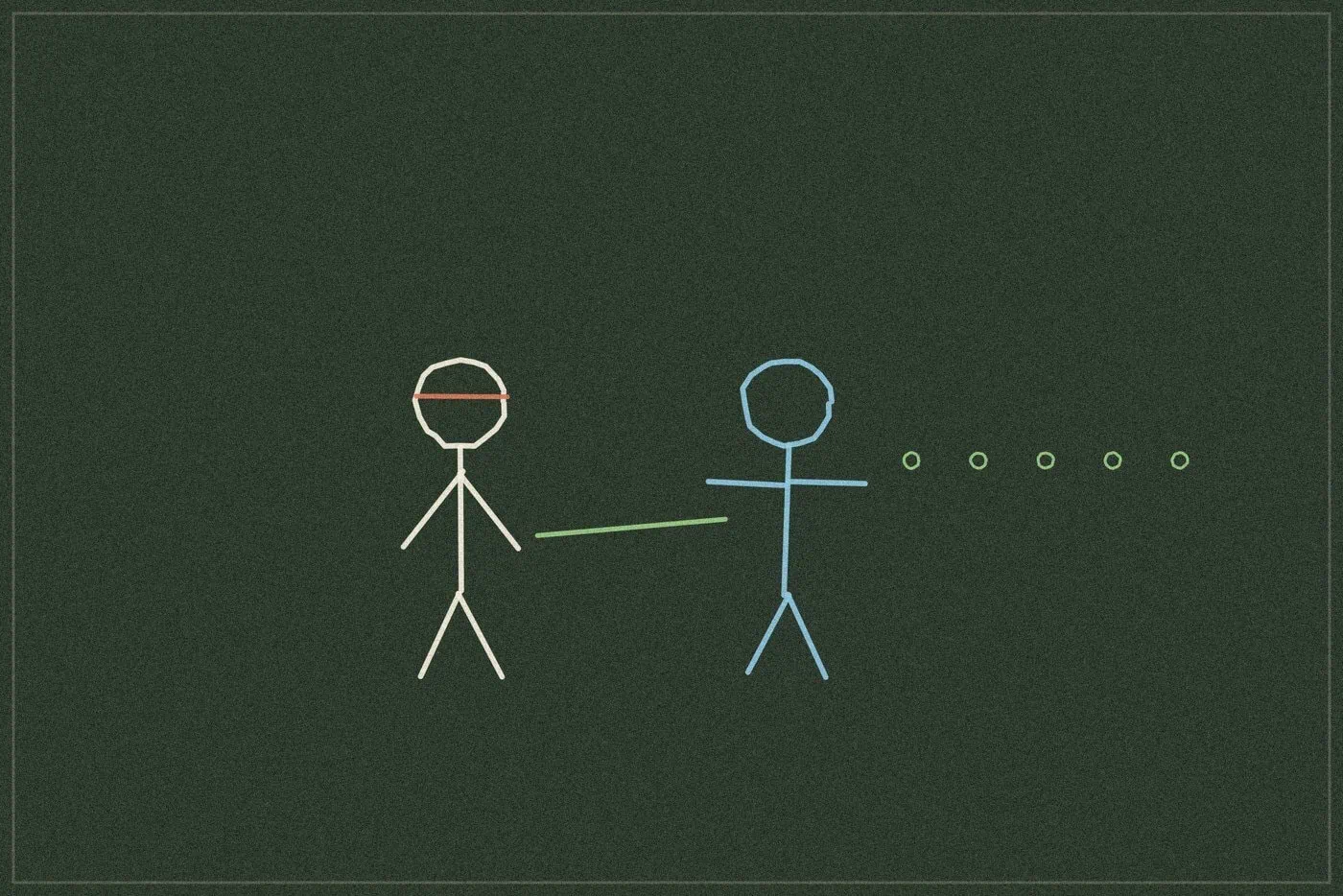
Try a short walk in which one person suggests a route and the other checks that the directions make sense. Keep everyone’s eyes open. This is a simple cooperation activity, not a test of trust or a simulation of disability.
Set up
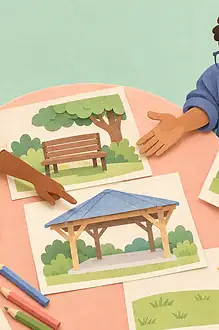
Choose a familiar, level space away from roads, steps, water, furniture edges and other hazards. An adult checks the route and stays nearby. A seated version works too: describe a route across a paper map or move a toy between drawn landmarks.
Take turns
- Agree on a short route with two or three stops. Everyone can see where they are going.
- One person gives one clear instruction at a time: “Walk slowly to the chair, then stop.”
- The partner can ask a question, suggest a different route or say “stop”. Pause straight away when asked.
- Swap roles if both want another turn. Keep the activity brief and finish before anyone gets tired.
No blindfolds, closed eyes, running, pushing, falls or leaning into another person’s arms. Do not make physical contact a requirement. A child can watch, choose landmarks or take part without walking.
Talk about what helped
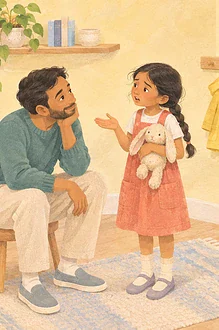
Ask, “Which instruction was clear?” or “What would you change next time?” Accept pointing, drawing or a short answer. There is no need to turn a hesitant response into a lesson about a child’s character.
The aim is to try giving and checking directions. We do not claim that this activity builds lasting trust or has a therapeutic effect.
Safety correction, 11 November 2026: Replaced the blindfolded walking activity with an eyes-open alternative and removed unsupported claims about trust and safety.