A light tap, crowded queue or hand near the face can feel painful, startling or impossible to ignore for a touch-sensitive child. Adults sometimes respond by insisting the child “get used to it.” A safer approach separates unnecessary touch from necessary care, gives warning and choice, and never uses forced exposure as a home treatment.
Believe the response, then investigate
Notice what kind of touch is difficult: unexpected, light, wet, on the head, from behind, or in a crowded space. Ask what helps and observe nonverbal communication. Sensitivity may rise with stress, fatigue, illness or pain. New touch pain, numbness, weakness, skin changes or sensitivity after an injury needs health advice.
A child can enjoy hugs from one person and still refuse a tap from another. Consent is specific to the person, place and moment.
Remove touch that is not needed
- Use a wave, name or visual cue instead of tapping a shoulder.
- Let the child stand at the front, back or side of a queue.
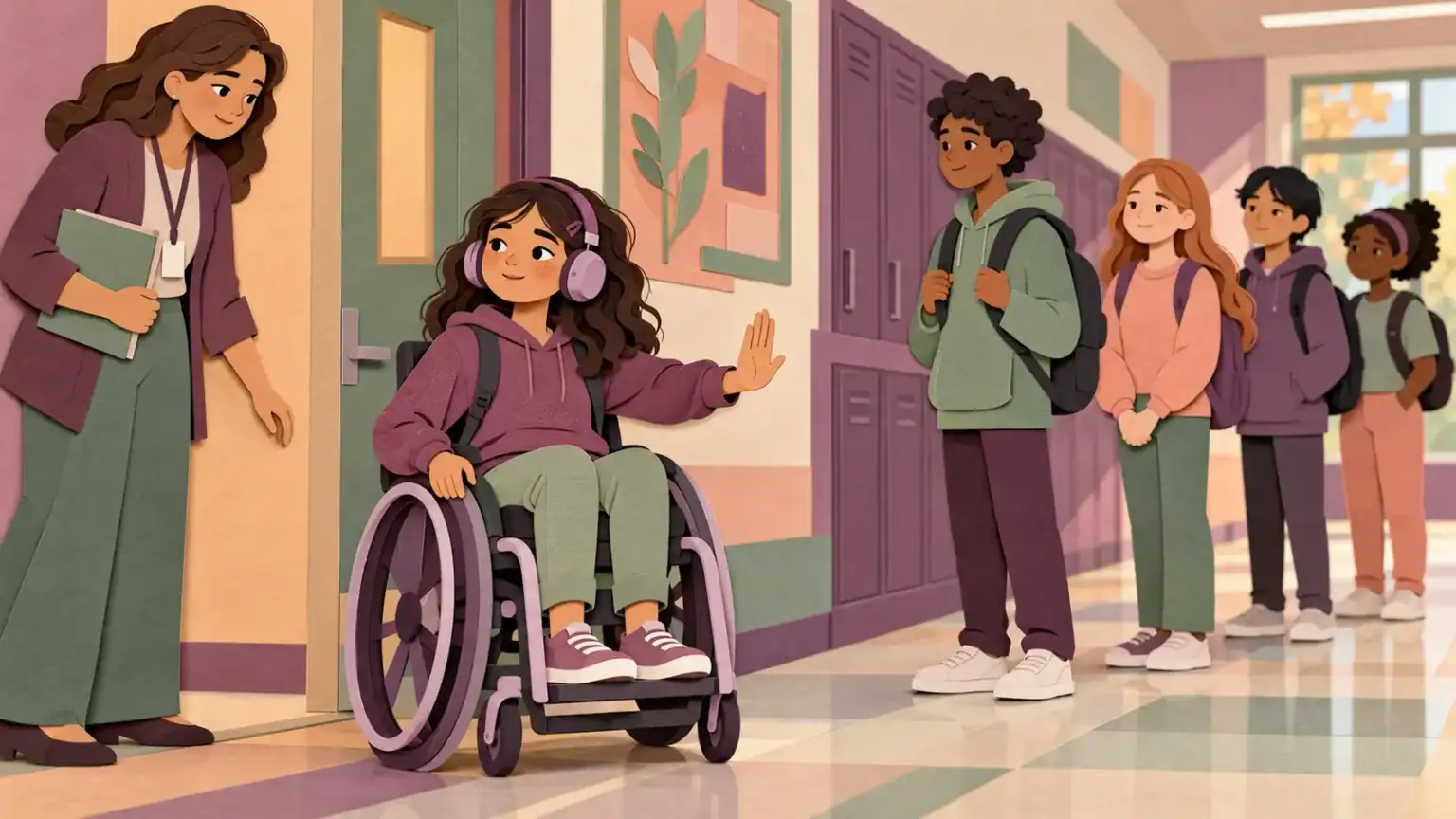
- Provide a defined floor spot, chair or wheelchair space with room around it.
- Ask peers before high-fives, hand-holding or games involving contact.
- Offer tools for messy materials rather than requiring bare-hand contact.
Do not replace one unwanted touch with deep pressure without asking. Firm pressure helps some people and triggers others.
Teach a communication plan
Practise a clear signal when everyone is calm: an open hand, “no touch,” a card or AAC button. Adults should respond immediately by pausing. For younger children, model: “Your body moved away. I will stop.” Older children and teens can choose how staff explain the plan to others.
The child also needs a way to request wanted touch: “hand squeeze,” “hug,” or “help with sleeve.” This avoids framing all touch as dangerous while keeping the child in charge.
Prepare for grooming and health care
Some touch is needed to protect health. Preparation can make it more tolerable without pretending it is optional when urgent.
- Explain what will happen in concrete steps.
- Ask which position, tool or helper the child prefers.
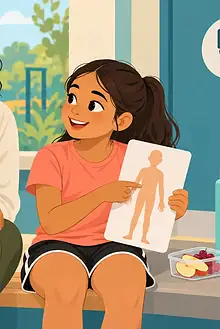
- Show the touch on a doll, the adult or the child’s own hand first.
- Warn immediately before each contact.
- Pause when safe and keep the child covered except for the area being examined.
- Stop non-urgent care if distress makes it unsafe; regroup with the professional.
For a medical visit, tell the team about communication and touch needs in advance. EdCaptain’s guide to medical exams and body autonomy offers language that keeps necessary care respectful. For grooming, break the task into smaller visits or sections and consider professional occupational-therapy support.
Do not confuse tolerance with safety education
A child should never be trained to accept unwanted affection to become “less sensitive.” Keep body-safety rules simple: they can refuse hugs, tell a trusted adult and receive help with health or hygiene in private, explained ways. The family’s broader no-forced-hugs approach should apply to children who use speech, gesture or AAC.
Build participation at the child’s pace
If the child wants to explore a texture or prepare for an event, offer a graded choice: watch, touch with a tool, touch briefly, then stop. Monitor breathing, movement and communication. Choice and recovery are part of the activity. The goal is useful participation, not suppressing signs of distress.
Seek help from an occupational therapist or health professional when touch sensitivity blocks essential care, school access, sleep or relationships. Bring examples of triggers and successful adaptations. The most effective plan will respect both sensory needs and the child’s right to direct contact with their body.