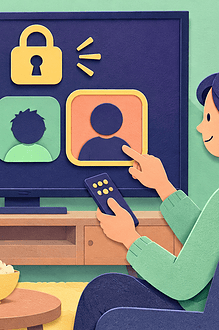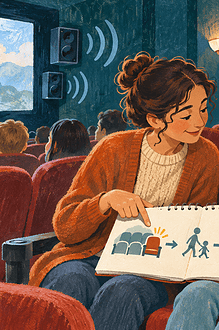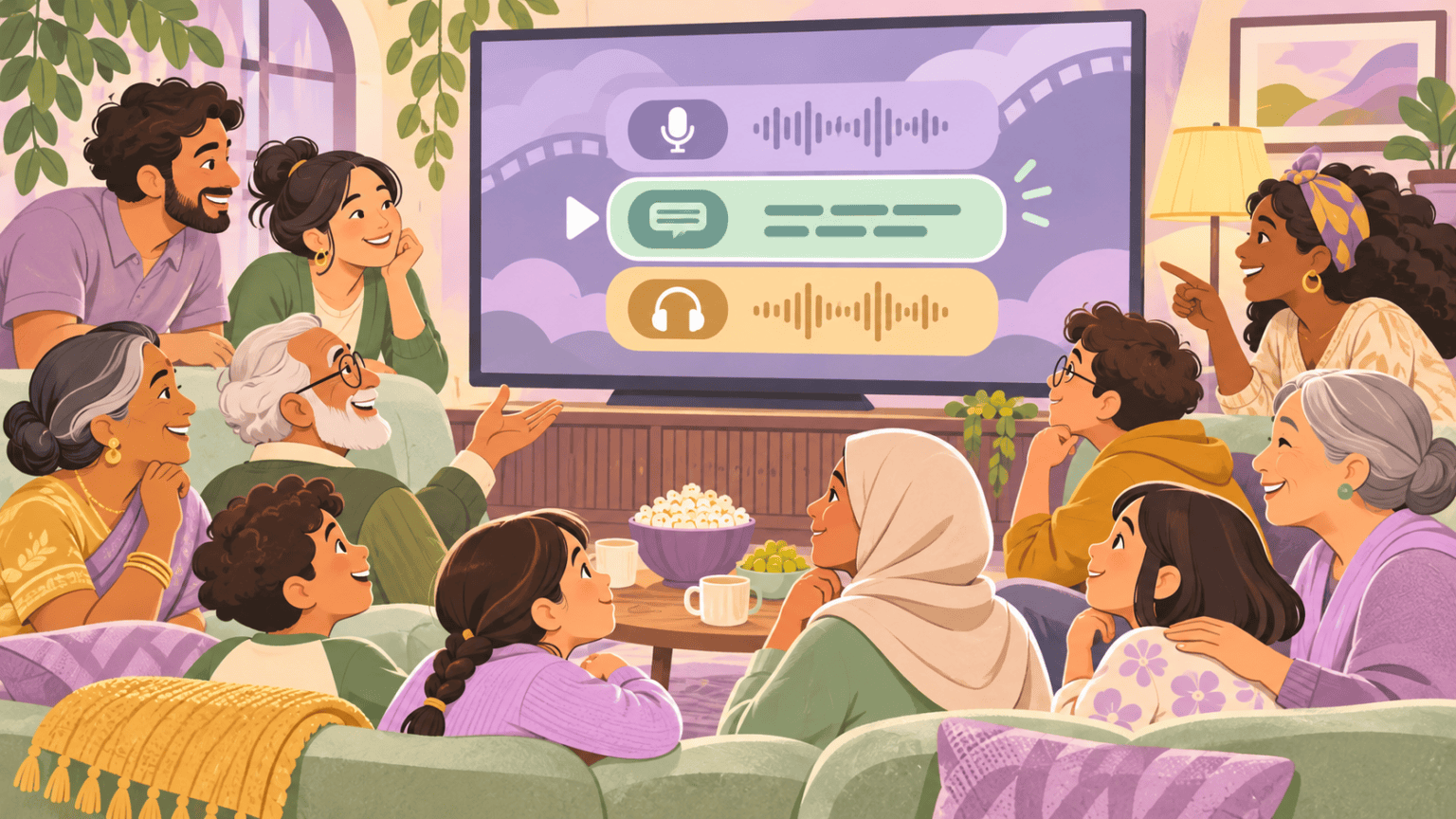
A multilingual family movie can become an argument before the story begins: one person wants the original voices, another reads slowly, a younger child needs dubbing, and a grandparent prefers the home language. There is no universally superior setup.
Choose for the people in the room and the purpose of this viewing. Enjoyment, language access and shared conversation can matter more than preserving one “correct” version.
Start with the film’s available tracks
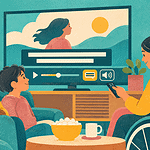
Open the audio and subtitle menu on the actual device. Streaming services may offer different languages by title, region, device and download. Netflix’s current help guidance notes that viewers can change audio, captions and subtitles where tracks are available, while downloads may show fewer choices.
Confirm whether a label means translated subtitles, same-language captions, dubbing or audio description. These features serve different purposes.
Run a three-scene trial
- Play two minutes with the original audio and preferred subtitles.
- Replay the same scene with dubbed audio and no subtitles.
- Try dubbed audio plus same-language captions if both are available.
- Ask each person what they understood and what felt tiring.
- Choose one setup for the next twenty minutes, with permission to change later.
Use a scene with ordinary conversation, not only an action sequence. Check whether jokes, songs, names and emotional tone remain understandable.
Match the combination to the viewer
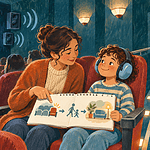
A beginning reader may miss the story while chasing fast subtitles. A fluent reader may enjoy hearing the original language while reading a familiar one. A Deaf or hard-of-hearing child may need captions that include sound cues, not subtitles that translate speech only. A child with low vision may prefer dubbing or audio description.
The W3C explains that captions include speech and meaningful non-speech information and can also help people who process written information better than audio. Do not present captions as a remedial tool or a reading test.
Keep the home language audible
If the family wants to strengthen a home language, choose a high-quality dub or subtitles in that language when available. Pause occasionally for a word the child wants—not every unfamiliar phrase. Repeating a favourite scene later can be more useful than interrupting the first viewing.
EdCaptain’s guide to choosing books for a multilingual family explains why the home language does not need to compete with the school language. The multilingual storytelling pack offers a screen-free way to revisit characters and events afterward.
Respect voice and cultural preference
Older children may care about hearing the original actors; younger viewers may need immediate comprehension. Some dubs change jokes or references to fit another audience. Notice the difference without declaring one language version authentic and the other inferior.
If accents or dialects are mocked in the film or by viewers, address the comment rather than switching languages to avoid discomfort. A family language carries relationships and identity, not just vocabulary.
Reduce reading and listening fatigue
Use readable subtitle size and contrast, sit at a comfortable distance and keep enough ambient light to move safely without washing out the text. Pause for a break during long films. A child who stops following may be tired, not uninterested or weak in the language.
Let the family alternate fairly
For regular movie nights, rotate whose language preference leads. Keep a note of titles with good tracks in different languages. If one person needs an access feature, that need is not a preference to be voted away; adjust the other elements around it.
A multilingual movie night succeeds when the family can share the story without making one person’s language or access needs the price of togetherness.