Blow one big, slow bubble, and ask your child to watch it float. Bubble Breaths turns one of the simplest childhood pleasures into a genuinely useful calming technique, teaching deep breathing without ever needing to say the word “breathing exercise.”
Why this matters
Deep, slow breathing is one of the most reliable ways to calm a racing body, it signals to the nervous system that things are safe, which in turn helps a racing heart and a tense body settle. But asking a child to “take a deep breath” rarely works well in the moment it’s needed most. Bubbles give the same physical effect a concrete, enjoyable form a child will actually want to practise.
What you need
A bottle of bubbles, bought or homemade.
How to play
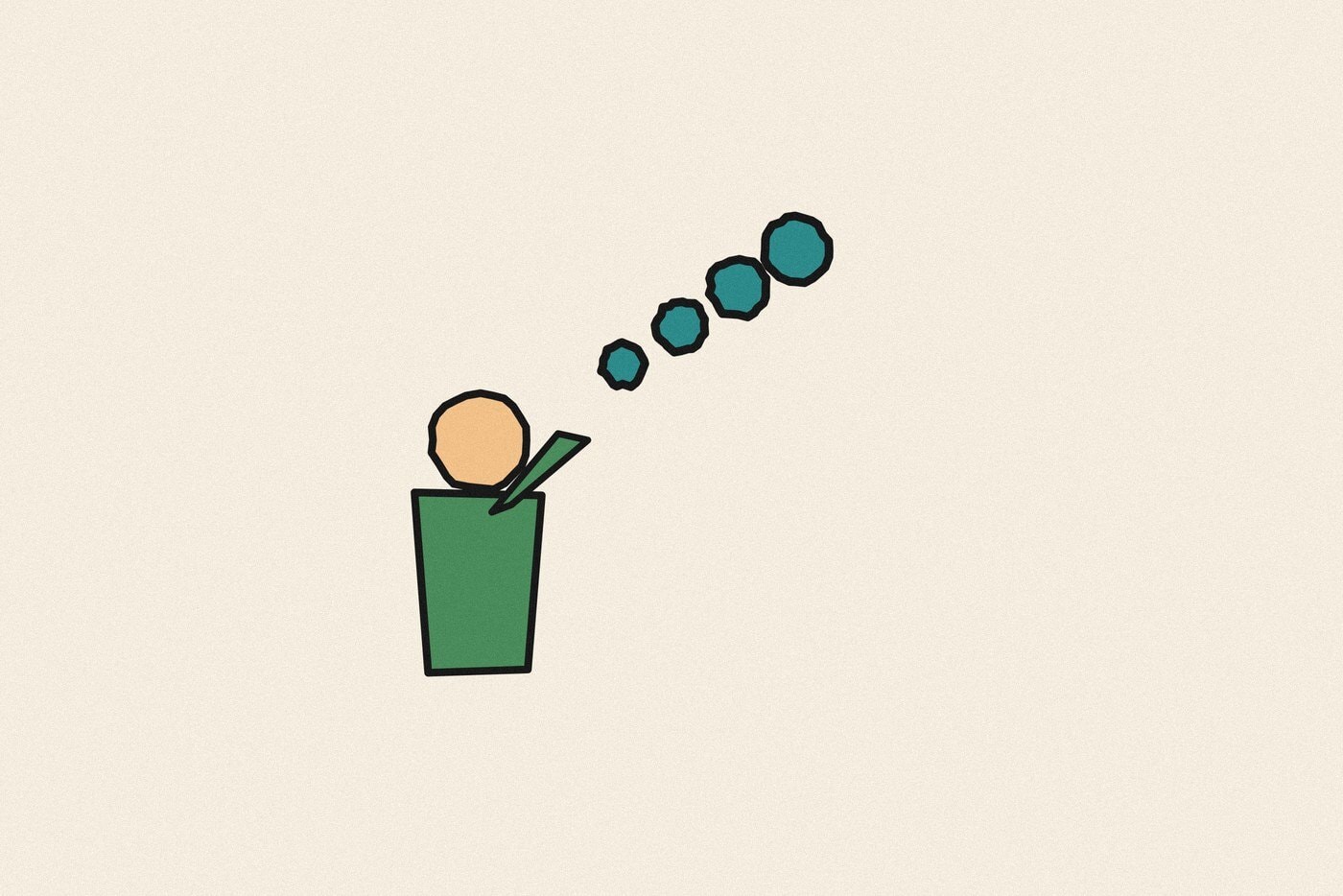
Start playfully: blow a stream of bubbles and let your child pop them as they fall, which is usually where their attention goes first anyway. After a few minutes, ask them to try blowing just one big bubble instead of a quick stream.
To make one big bubble, a child naturally has to take a slow, deep breath in through the stomach and exhale gently and steadily, exactly the mechanics of a calming breath, without ever being told to “breathe deeply.” Point this out afterward: “Did you notice how slowly you had to breathe out to make that big bubble?”
Connecting it to real moments
Once your child has practised this a few times in a calm, playful setting, explain simply that the same slow breathing can help when they’re starting to feel angry, nervous, or overwhelmed. When the brain is upset, it wants more air, but a body that’s tense doesn’t breathe well, so slowing the breath down on purpose helps the whole body calm down faster.
The next time you notice your child getting worked up, you can gently suggest, “let’s take a bubble breath,” even without an actual bottle of bubbles in hand, the memory of the slow exhale is usually enough to bring the technique back.
Why practising it calm, before you need it, matters
A breathing technique is far easier to use in a difficult moment if it’s already familiar, which is why it’s worth practising bubble breaths regularly when your child is calm and relaxed, not only introducing the idea for the first time in the middle of a meltdown. A skill rehearsed in advance is a skill a child can actually reach for later.
A bottle of bubbles and a few unhurried minutes is a genuinely low-cost way to teach a real, lasting calming tool, one that happens to be disguised as one of the simplest, most enjoyable things a child already loves doing.