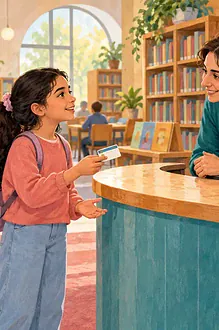
A forgotten library book can trigger a frantic search, a late departure and an adult running back to school. If that pattern repeats, everyone works harder but the child gets little practice managing the task. School-bag independence comes from making the job visible, teaching the sequence and allowing safe, proportionate consequences—not from abruptly refusing all help.
Move packing out of the morning
Choose a consistent evening time linked to an existing event: after homework, before screen time or just after dinner. Morning packing asks a tired child to remember details while the deadline is already pressing. Evening packing leaves room to solve a missing item without panic.
Create one launch station near the exit or another accessible place. The bag, shoes, water bottle, lunch container and special equipment return there. Keep it simple; a clear shelf or basket can work better than an elaborate organizer.
Build the checklist from the child’s real week
Start with daily essentials, then add day-specific items. Use pictures for younger children and short nouns for readers. A sample might include:
- folder or homework
- books needed tomorrow
- water bottle
- lunch or lunch arrangement
- weather item
- sports, music or library item for that day
Do not put “everything” on the list. Check the school’s actual requirements and avoid packing unnecessary weight. Medication, money, devices or other sensitive items should follow school rules and adult safety plans.
Teach a physical sequence
- Empty rubbish and yesterday’s loose papers.
- Check the timetable, teacher message or family calendar.
- Place each item in the bag as it is checked.
- Put tomorrow’s add-later item, such as a chilled lunch, beside a visible cue.
- Zip the bag and return it to the launch station.
Demonstrate once, pack together several times, then watch while the child leads. Finally move to a quick check-in. This gradual handover is more effective than either doing the job indefinitely or announcing, “You are on your own now.”
Replace repeated reminders with one cue
Agree on a prompt: “Bag check.” If the child asks what to pack, point back to the timetable and checklist. Give specific help when a step is genuinely new. If adults supply every answer, the child learns to consult the adult rather than the system.
Connect the setup to the independent morning routine so the bag has one predictable place.
Decide in advance what adults will rescue
Adults should intervene for health and safety: essential medication, safe transport information, medically necessary food, serious weather protection or an item whose absence would create substantial harm. A forgotten pencil, optional sports shirt or ordinary worksheet may be safe to experience and solve at school.
Tell the child the policy before a mistake: “I will help with safety-critical items. I will not usually make a second trip for ordinary forgotten things.” That boundary is calmer than deciding in anger at the door.
If the child forgets something, ask what they did next. Borrowing, telling the teacher, using spare paper or completing work later may be part of the learning. Avoid ridicule and avoid secretly fixing every problem. For an impact that needs repair, use facts, repair and a future plan.
Adapt for age and ability
Ages 6–9 may need picture cues, an adult reading the timetable and a bag check together. Ages 10–12 can manage the weekly pattern, set reminders and contact school appropriately about missing information. Children with attention, memory, language, vision, motor or learning differences may need colour coding, duplicate supplies, an audio reminder, a lighter bag, adapted fastenings or ongoing adult collaboration. Support is not failure; the goal is the greatest workable participation.
Run a weekly reset
Once a week, empty the bag fully. Return books, remove old food, replace supplies and update the checklist for schedule changes. Ask, “What was hard to find this week?” Improve the system rather than adding blame.
Notice the process: “You checked tomorrow’s timetable and remembered the sports shoes.” As the routine becomes stable, reduce supervision. The wider life-skills-by-age guide can help you choose another responsibility without overloading the child.
A packed bag is useful, but the deeper skill is preparation: looking ahead, gathering what is needed, checking the work and recovering when something is missed.