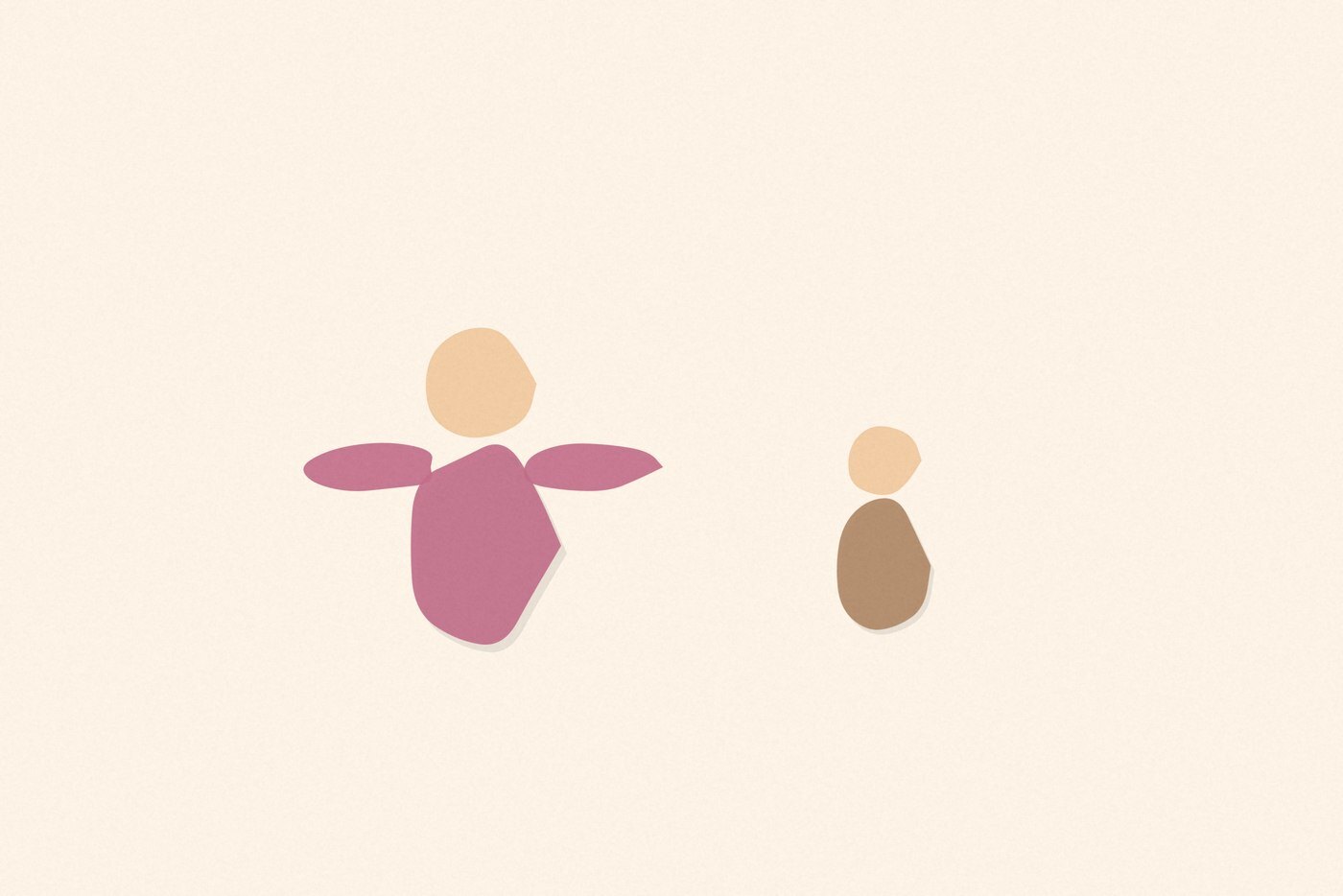
Hide behind the couch, make yourself easy to find, and let your toddler track you down while you narrate the whole dramatic search out loud. Simple Hide and Seek is a gentle, stripped-down version of the classic game, built specifically for one-year-olds.
Why this game matters
At this age, hide and seek works a little differently than the version older children play. The toddler usually hides (or simply stays in one spot while believing they’re hidden), and the real cognitive work happens as they track your location by sound and movement while you search. This builds early spatial awareness and object permanence, the understanding that something, or someone, still exists even when it can’t be seen, which is a genuinely significant milestone at this stage.
What you need
Nothing but your own voice and a willingness to be a little theatrical.
How to play
Let your toddler pick a spot to “hide” (a one-year-old’s hiding spots are rarely subtle, and that’s completely fine). Then begin an exaggerated, narrated search: “Where is baby? Is baby under the table? Noooo! Is baby on the ceiling? Noooo! Is baby behind the couch?” Build anticipation with your tone and pacing before the final, delighted “Yes! I found you!”
Keep your movements big and obvious, and check genuinely silly, impossible locations along the way (the ceiling, inside a shoe, under a single sheet of paper) since the exaggeration itself is a big part of what makes this fun for a toddler watching and listening closely to your search.
Variations
Swap roles occasionally: hide yourself in an easy, visible spot and encourage your toddler to come find you, narrating their search back to them if they need help: “Where’s mummy? Is she behind the chair?”
As your toddler gets a bit older, gradually use slightly less obvious hiding spots to extend the challenge, while keeping the game well within what feels fun rather than frustrating.
Safety notes
Keep hiding spots within a contained, safe space you can see or hear clearly, and this works best indoors in a familiar room rather than anywhere your toddler could wander out of sight unsupervised.
Why the narration matters so much
The spoken search is doing real work here, not just filling silence. Hearing you name locations, under the table, behind the couch, helps your toddler build vocabulary for spatial concepts, while the suspense of your exaggerated search holds their attention and anticipation in a way a silent search never would.
A few minutes of loudly searching your own living room for a toddler who is, by any objective measure, very easy to find, might feel a little absurd. But that exaggerated search and the genuine joy of being found are exactly the kind of responsive, back-and-forth play that this age thrives on.