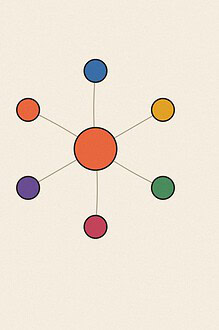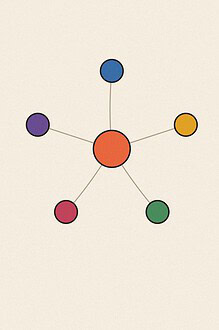
A handful of counters, a few simple questions, and a pre-schooler working out, one object at a time, what five actually means. Counting Circles turns numbers from something abstract on a page into something a child can physically touch, move, and count for themselves.
What you need
Small counting objects, puzzle pieces, buttons, stones, or anything else safe and plentiful. Paper and a pencil or crayon, optional.
How to play
Start simple: ask your child to line up ten objects in a row in front of you. Count them together out loud, “one, two, three…” all the way to ten, pointing to each object as you say its number. Compare the total to their own fingers or toes, a count of ten they already have built in.
Once counting to ten feels comfortable, move into simple grouping and comparing: ask them to sort objects into a few small piles, then ask which pile has the most, which has the fewest, and how many are in each one.
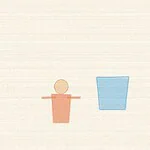
For basic addition and subtraction with objects rather than abstract numbers: ask five children to stand up, then ask one to sit down, and count together how many are still standing. Or hand your child a small group of three objects and a second small group of two, ask them to combine them and count the total, then ask what happens if you take one away.
Variations
Write the numbers 1 to 10 on separate cards, hand your child a card, and ask them to count out that exact number of objects to match it, connecting the written symbol to the physical quantity it represents.
Why it works
For a young child, a number written on a page is just a shape, it has no inherent meaning until it gets connected to something real and countable. Physically moving and grouping objects while counting them builds that connection in a way that memorising number names alone never quite manages.
There is a particular moment worth watching for: when a child stops needing to recount from one every time, and instead can simply glance at a small group and know there are three without counting each one individually. That small shift, recognising a quantity at a glance rather than counting it out, is a genuine milestone, and it tends to arrive quietly, in the middle of an ordinary counting game like this one, rather than announcing itself.