By EdCaptain editorial desk · Published
General educational guidance. No qualified clinical review is recorded for this article. Health and safety information.
A child may notice clear or white marks in their underwear before their first period and worry that they have wet themselves or have an infection. Vaginal discharge often begins during puberty. It is one of the ways the vagina keeps itself clean and healthy.
Normal discharge can be thin or slightly sticky, and the amount may vary. Introducing the subject before your child notices it can prevent embarrassment: “You may see some clear or white fluid in your underwear as your body changes. That is often normal, and you can always ask me about it.”
A simple hygiene routine
- Wash the outside of the genitals, called the vulva, with warm water. A mild unperfumed wash may suit some children, but fragranced products can irritate.
- Do not wash or put products inside the vagina. The vagina cleans itself.
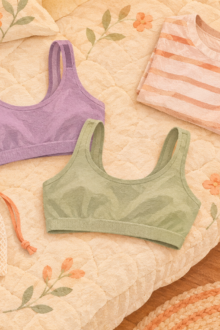
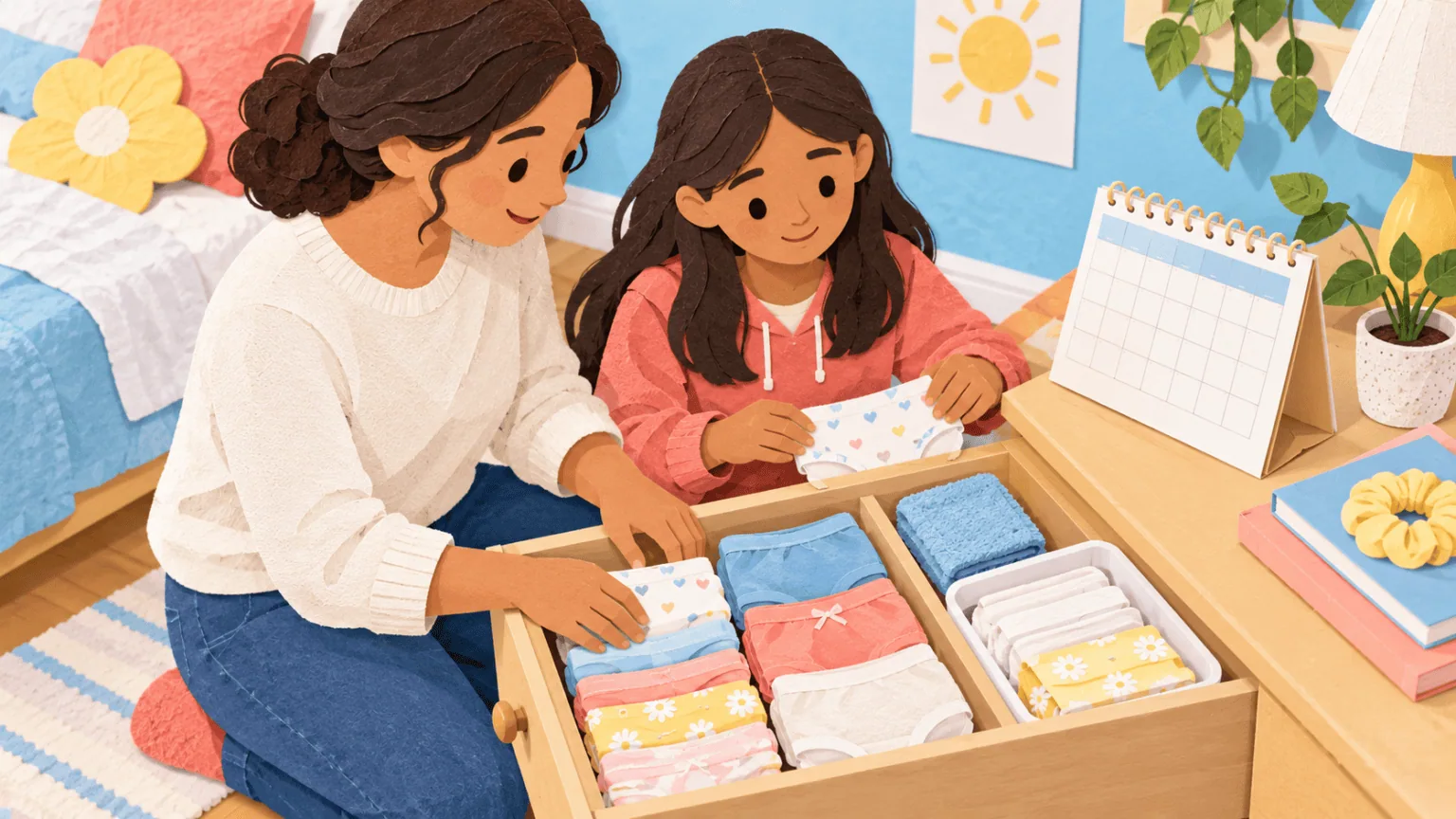
- Change underwear daily and after very sweaty activity. Breathable fabric may feel more comfortable.
- Wipe from front to back after using the toilet.
- If discharge feels damp, a fresh pair of underwear is often enough. Avoid making daily liners compulsory, because they can irritate some skin.
Make supplies available without monitoring every pair of underwear. Privacy helps a child practise self-care. If a younger child needs support, explain each step and ask permission before helping.
Discharge and the first period
Discharge can appear before menstruation begins, but it cannot predict an exact date. Treat it as a cue to prepare calmly rather than announce that a period is imminent. A small pouch with underwear and pads can be reassuring. Our first-period guide covers practical preparation without fear.
Use accurate words such as vulva and vagina. This makes health questions clearer and supports body-safety conversations. Avoid describing normal discharge as dirty. Puberty changes already carry enough social pressure without adding shame.
Changes worth checking
Discharge is not always a puberty change. Arrange medical advice if it develops a strong or unpleasant smell, becomes green, grey, bloody when a period is not expected, or looks very different from usual. Itching, soreness, swelling, fever, lower abdominal pain, pain when urinating or sores also need assessment.
Do not diagnose or treat an infection with someone else’s medicine. A clinician may need to distinguish irritation, infection, a skin condition or another cause. If there is any concern about an injury, unwanted touching or something placed in the vagina, prioritize the child’s immediate safety and seek qualified help without blaming or repeatedly questioning them.
Keep the door open
Children may ask the same question more than once. A steady response matters more than perfect wording: “Bodies make fluids. Most changes are normal, and we will get help if something hurts or seems unusual.” For broader conversations, see our practical puberty conversation guide.