Most parents put off the puberty conversation until it is already happening, a bra shopping trip prompted by a sudden need, an awkward moment after a child finds a stray hair or a stain. The better version of this conversation happens earlier, when nothing urgent is on the table, and it happens more than once.
Why earlier is better than you think
A child who already understands what is coming experiences it as expected rather than alarming. A child who gets their first period or their first wet dream with no warning at all often experiences real fear in that moment, sometimes assuming something is wrong with their body. That fear is avoidable, and avoiding it is really the whole point of talking early.
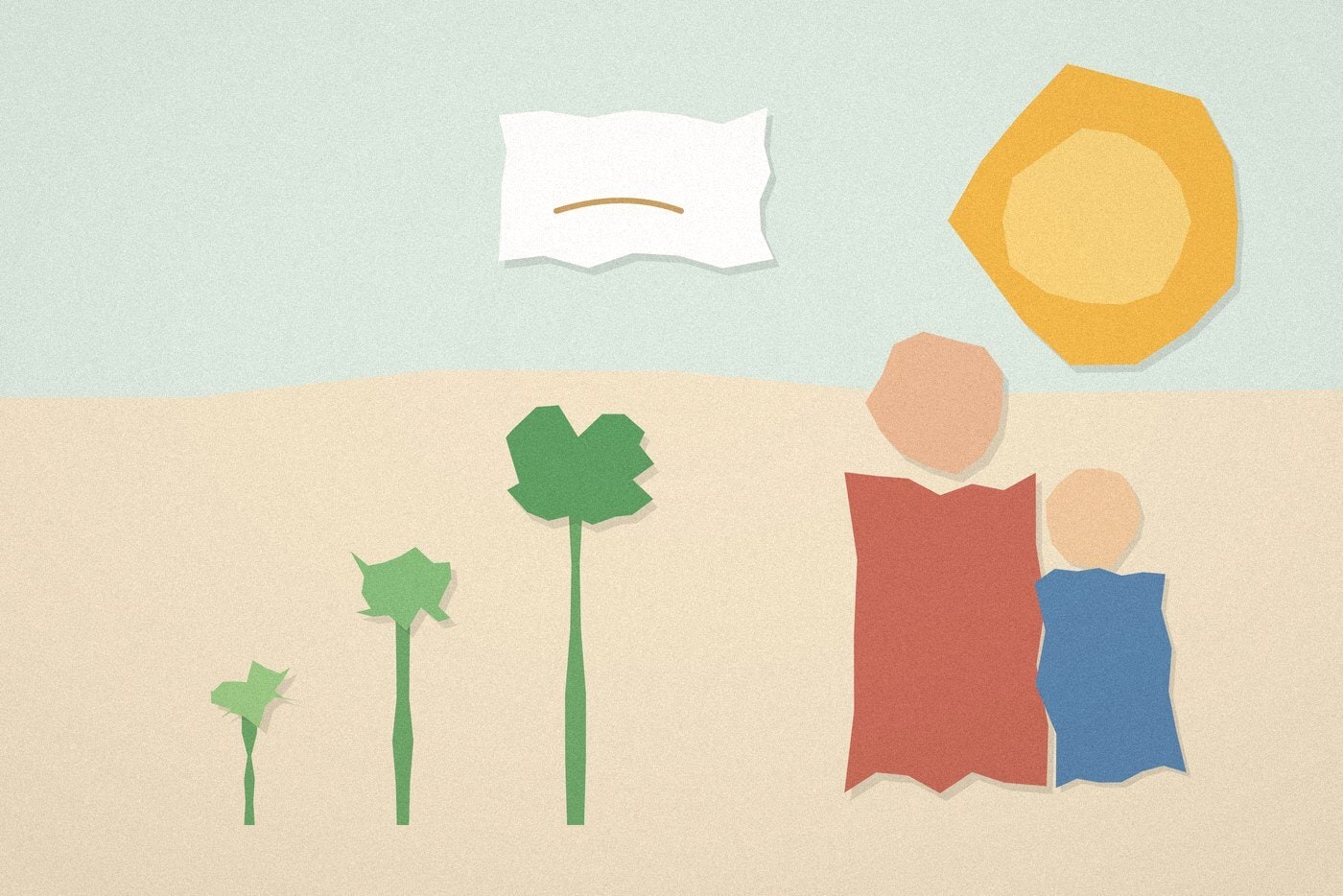
Most guidance points to starting around age 8 to 10, well before the average onset of puberty, which can begin anywhere from 9 to 16. Starting early does not mean one big talk. It means small, ongoing conversations that build over a couple of years, so that by the time changes actually start, none of it is a surprise.
What to actually say, by topic
For a child with a uterus, on periods: Menstruation is the body shedding the lining of the uterus, roughly once a month, and it usually lasts three to five days, though this varies. It can come with cramping, mood changes, or low energy for some, and barely anything noticeable for others. It does not need to stop a child from doing anything they would normally do. If periods have not started by 16, it is worth checking in with a doctor.
For a child with testes, on nocturnal emissions: Boys may experience what is commonly called a wet dream, the release of semen during sleep. It is completely normal, it does not happen to everyone, and it is not a sign of anything wrong. A boy who experiences this with no warning can genuinely worry something is medically wrong, so naming it in advance matters.
For both: Hair growth under the arms and around the genitals, changes in body odour, oilier skin and occasional acne, and a growth spurt that can feel sudden and uneven, are all part of the same general process, just on different timelines for different children.
Keep correcting the myths before they take hold
Children pick up misinformation from each other long before they hear accurate information from an adult, and myths are stickier once they have settled in. A few worth addressing directly and early:
- A late or early start to puberty is not a problem in itself. The normal range is wide, 9 to 16 for periods, and roughly similar for boys.
- Wet dreams do not cause weakness or harm the body in any way.
- Having a period does not mean a girl’s body is ready for pregnancy in any complete sense. Reproductive maturity and full physical readiness are not the same thing.
- Changes in hair, voice, height, and skin happen at different paces for different people, and faster or slower does not mean anything is wrong.
Make it a conversation, not a lecture
The single biggest thing that makes this easier is keeping the door open rather than closing a topic after one explanation. A few practical approaches:
Use real moments as openings. A news story, a scene in a show, a sibling or cousin going through it, all offer a natural “did you know…” entry point that feels less staged than a scheduled sit-down talk.
Answer the question actually asked, at the level it was asked. A young child asking “why do some girls bleed” needs a much shorter, simpler answer than a 12 year old asking the same thing. Give the accurate, age-appropriate version rather than over-explaining or under-explaining.
Normalise questions, explicitly. Say out loud that there is no embarrassing question, and that you would rather answer something awkward than have your child guess or ask a friend who might be wrong. Some families find a simple written-question system works well for kids who find certain questions hard to say out loud.
Separate facts from family or cultural beliefs, and say so. If your family holds particular beliefs or practices around this stage of life, religious, cultural, or personal, it helps to be clear with your child about which parts are the biological facts and which parts are your family’s values and choices. Both can be true and important at once, without one being presented as the other.
When to involve a doctor
Most of puberty is simply watched and talked through at home. A doctor is worth involving if periods have not started by 16, if there is no sign of puberty beginning at all by 14, or if your child has questions or symptoms that feel beyond what you can comfortably answer. There is no harm in checking in with a GP even when nothing seems wrong, simply to have a professional confirm that development is on a normal track.
The goal is not one perfect conversation. It is a pattern, repeated over a couple of years, that leaves your child walking into this stage of life informed rather than frightened.