By EdCaptain editorial desk · Published
General educational guidance. No qualified clinical review is recorded for this article. Health and safety information.
“Why is there a bump under my nipple?” A boy may ask quietly while getting ready for bed, or say nothing until swimming comes up. Take the question seriously without turning it into a family announcement. Breast tissue can develop in boys during puberty, but a new swelling deserves an individual medical assessment rather than a diagnosis from a photograph or an internet search.
This guide is for caregivers supporting boys aged 10–18 who notice a chest change during puberty. It offers a way to talk, prepare for an appointment and keep ordinary activities comfortable.
A calm first response
Try: “Thank you for telling me. This can happen during puberty. We can ask a doctor to check what it is, and you don’t have to show anyone else.” Ask whether it hurts, when they noticed it and what worries them most. The fear might be illness, being laughed at, or somebody seeing them change.
Do not ask them to take their shirt off in front of relatives or compare their chest with a sibling’s. Avoid jokes about “growing breasts”, even if you mean to lighten the mood. The American Academy of Pediatrics advises respecting preteens’ privacy and avoiding teasing about puberty changes.
What the medical term means
Gynaecomastia, also spelled gynecomastia, means breast tissue in a boy or man. The Pediatric Endocrine Society’s family guide explains that changing hormone levels during puberty can lead to this tissue becoming more noticeable. It can feel tender. Breast tissue and fatty tissue are different, and appearance alone cannot reliably tell you which is present.
One side may appear before the other. Puberty-related swelling often settles over time, but do not promise a deadline or assume every lump has this explanation. A clinician can assess the change and decide whether any investigation or follow-up is needed. You do not need to identify a hormone problem at home.
Arrange a check without making it frightening
The NHS recommends seeing a GP for a breast or nipple lump, pain that does not go away, skin changes such as a rash, dimpling or redness, or nipple discharge or bleeding. Worry about breast size or appearance is also a valid reason to book an appointment. Redness can be harder to see on brown or black skin.
Seek prompt medical advice if breast swelling appears before puberty has begun. Tell the clinician if it is enlarging rapidly or becoming substantial; the Pediatric Endocrine Society’s referral guidance identifies these as reasons for assessment. Do not wait for a routine puberty milestone to pass before raising a new concern.
Explain the visit simply: “The doctor will ask some questions and may need to examine the area. We can ask them to explain each step first.” Ask the clinic about a chaperone, the young person’s preferences and time to speak privately. An older teen may want help booking while handling more of the conversation themselves.
Make one useful note, then leave the checking to the clinician
Before the appointment, write down:
- When the change was first noticed and whether one or both sides are involved.
- Any pain, skin or nipple changes, and whether the swelling seems to be increasing.
- Medicines, supplements and products used, with packaging or an accurate list.
- What is becoming difficult: changing for PE, sleeping comfortably, attending school or joining friends.
Medicines and supplements can sometimes be relevant. Do not stop a prescription yourself: University Hospitals Sussex explicitly advises seeking medical advice before changing prescribed medicines. Avoid buying hormone products or online “chest reduction” supplements while waiting.
Repeatedly pressing the area, measuring it every day or taking comparison photographs can turn the concern into a daily inspection. Ask the clinician what, if anything, to monitor and when to return. Never post a child’s chest photograph to a parenting group for opinions.
Keep school and swimming workable
Let the young person identify the hard part before proposing a solution. “Is it the changing room, the water, or what someone might say?” creates a more useful plan than cancelling everything or insisting nobody will notice.
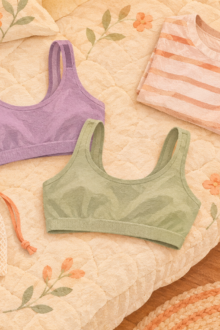
A comfortable shirt they already like may be enough for everyday wear. If they want a swim top, check the pool’s rules and choose clothing designed for swimming that fits comfortably. Do not improvise tight chest wrapping or make hiding the body a condition of participation. Any garment causing pain or restricting movement should come off.
For changing-room worries, ask whether a private cubicle or another agreed arrangement is available. Share only the information necessary, with the child involved in deciding what to say. For example: “My child needs a private changing option for a personal health concern. Could we agree a discreet arrangement?”
If peers make comments, treat the comments as the problem. Practise a short response if your child wants one: “Don’t comment on my body.” They can also move away and tell a trusted adult. Record repeated incidents and ask the school how it will respond; the child should not have to explain their medical situation to classmates to deserve protection.
Adapt the conversation to the child
For ages 10–12, keep explanations brief and concrete, and offer help making the appointment. For ages 13–18, ask how much support they want and protect their say in conversations about their body. Neither age group needs a lecture about masculinity or a diet plan as a response to a chest concern.
A child who communicates through pictures, typing or a device may find it easier to choose between “hurts”, “looks different” and “worried about people”. Offer accessible appointment information and ask before helping with clothing or personal care. Our guide to privacy while changing and bathing gives further ways to balance assistance with dignity.
If worry is keeping your child away from school, friends or activities, raise that at the appointment too. Our article on responding to body criticism and comparison can help you keep listening without debating how they look. A useful next step is often small: book the check, agree one comfort change and let the rest of the evening be about something else.
This is general educational guidance, not an individual diagnosis. See EdCaptain’s medical disclaimer and editorial policy.
Sources and further reading
- Pediatric Endocrine Society and AAP: Pubertal Gynecomastia—A Guide for Families
- NHS: Gynaecomastia and reasons to see a GP
- Pediatric Endocrine Society: assessment and referral guidance
- AAP HealthyChildren: Concerns Boys Have About Puberty
- University Hospitals Sussex: What is gynaecomastia?
Report an error or suggest an improvement
Was this useful?