By EdCaptain editorial desk · Published
Silence does not stop children noticing skin colour, difference or unfair treatment. It can leave them to assemble explanations from peers, media and stereotypes. A useful conversation names racism clearly, follows the child’s real question and continues over time.
Begin with what they noticed
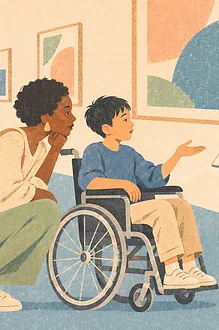
Ask, “What did you see or hear?” and “What do you think it meant?” Listen before delivering a lesson. If a preschooler comments on skin colour, acknowledge the difference without shushing: “People have many skin tones.” If they describe exclusion, add, “It is unfair to treat someone badly because of their skin colour.”
School-age children can examine stereotypes in books, games and news. Ask who gets to be the hero, who is missing and whether a joke depends on putting a group down. Tweens and teens can explore how individual choices and institutions shape opportunities. You do not need to pretend expertise: “I don’t know enough yet. Let’s find a reliable source together.”
Respond to lived harm
A child experiencing racism may need belief, comfort and action—not a debate about intent. Say, “That was wrong. I’m glad you told me.” Ask what support they want and involve the relevant school or organisation. A child who witnesses racism can practise safe choices: stand beside the targeted person, reject the comment, seek an adult and check in afterward.
If your child says something biased, address the harm without declaring the child bad: “That idea is a stereotype and it can hurt people. Where did you hear it?” Correct the claim, set a boundary and model repair. Examine your own jokes, assumptions, friendship circles and media choices too.
Keep the conversation specific
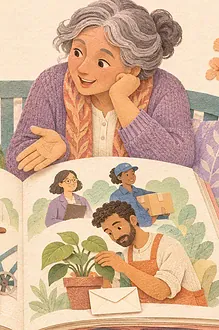
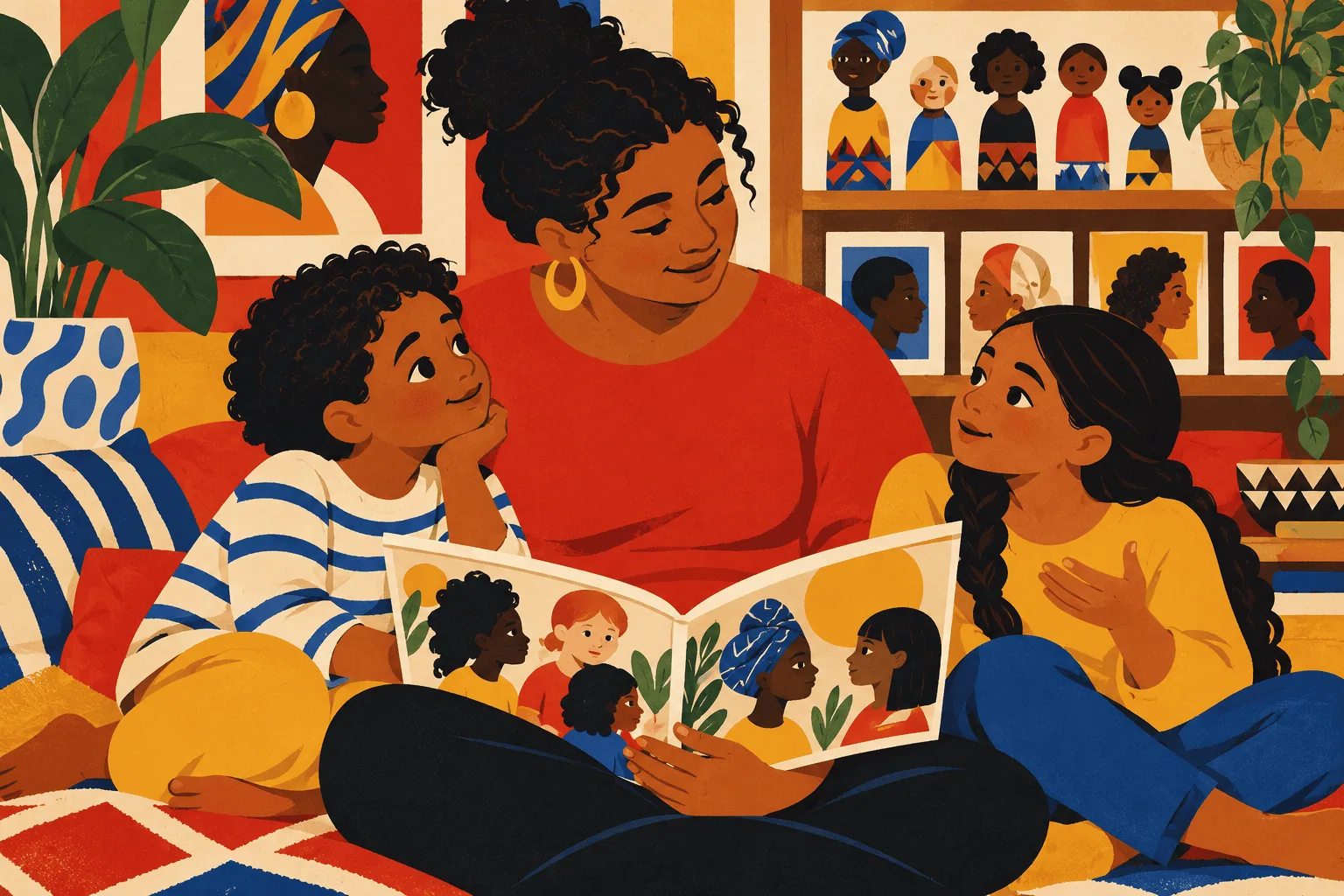
Choose stories showing people from many backgrounds as complex everyday characters, not only in stories of suffering. Discuss local history in age-appropriate language. Avoid insisting everyone is treated the same when children can see otherwise.
One talk will not finish the subject. Return after questions or incidents. Smaller, less pressured conversations can help, while a trusted-adult network matters when discrimination must be reported.