“Tell a trusted adult” sounds simple until a child is frightened, the first adult is unavailable, or the person causing worry is someone they know. A safety network turns a vague instruction into named people, contact routes and practised words.
This is not a promise that a child can prevent abuse. Keeping children safe is always an adult responsibility. The network gives a child more ways to reach help when something feels wrong.
Choose several adults together
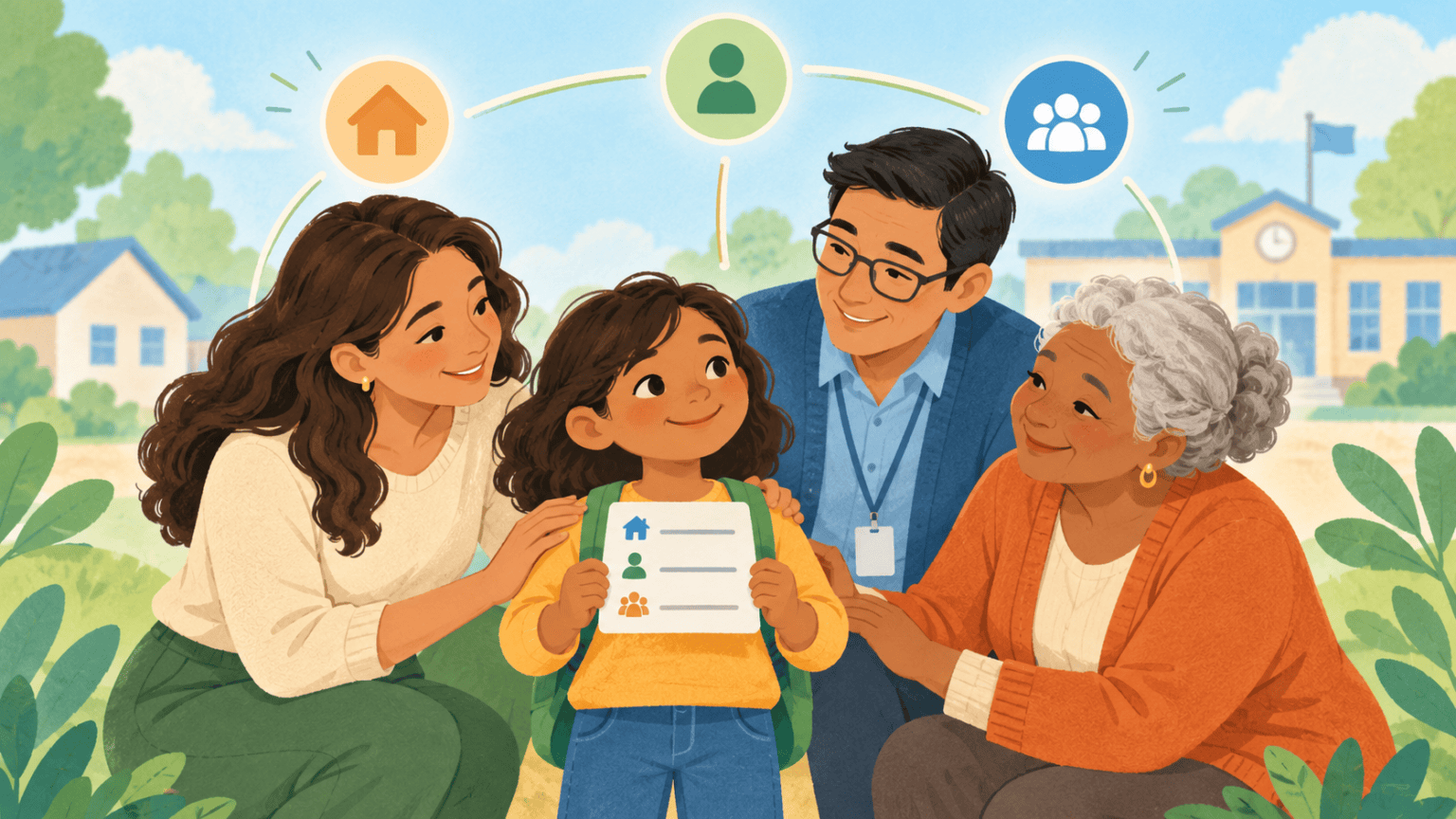
Invite your child to name three to five adults who listen, take concerns seriously and can act. Include:
- at least one caregiver or family member;
- an adult outside the immediate household, such as a teacher, counsellor, coach, neighbour or relative;
- someone reachable during school or activities;
- for an older child, a local helpline or safeguarding service appropriate to your country.
Do not insist that a child trusts someone simply because that person is a relative, respected professional or family friend. Trust is shown through behaviour. Safe adults respect boundaries, do not demand secrecy and do not punish a child for asking for help.
Make the network usable
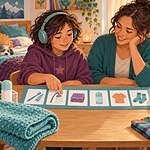
Write names and contact details on a small card, in a family plan or in the child’s phone. For a younger child, use photos. For a child who communicates differently, make sure their communication system includes words or symbols for stop, hurt, scared, private, help and specific body parts.
Check practical details. Does the child know how to unlock the phone, make a call, find the school office or ask another adult to contact a caregiver? A plan that exists only in a parent’s head is not yet the child’s plan.
Practise without frightening them
Use ordinary role-play:
- “What could you say if a game made you uncomfortable?”
- “Who could you tell if I was not nearby?”
- “What if the first adult did not understand?”
Useful scripts include: “I need help,” “Something happened and I feel unsafe,” and “Please listen until I finish.” Teach the persistence rule: keep telling another safe adult until someone helps. Seeking help is not tattling and a child will not be in trouble for telling.
Connect the network to simple skills such as the No, Go, Tell rule and conversations about surprises, secrets and unsafe pressure.
Keep adults accountable
Tell the named adults that the child has chosen them and ask if they are willing to help. Share how to contact you and what to do if the child raises a concern. Revisit the list when teachers, caregivers or family circumstances change.
Listen to small disclosures too. If adults dismiss everyday worries, children may reasonably doubt that bigger worries will be heard. Respond with attention: “Thank you for telling me. I’m listening.”
If a child tells you something worrying
Stay calm, listen without leading questions, say it is not their fault and do not promise to keep it secret. If there is immediate danger, contact local emergency or child-protection services. Otherwise, follow local safeguarding procedures promptly. Do not confront the person named in front of the child or conduct your own investigation.