By EdCaptain editorial desk · Published · Updated
General educational guidance. No qualified clinical review is recorded for this article. Health and safety information.
“No, Go, Tell” can be a reminder when someone crosses a boundary. It is not a rule a child must perform perfectly to deserve help. A child may freeze, feel confused, be unable to move or tell someone much later. Harm is never their fault.
Explain the choices
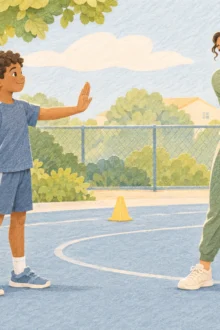
- No: If possible and safe, say no or use an agreed gesture. The child does not owe someone an elaborate explanation.
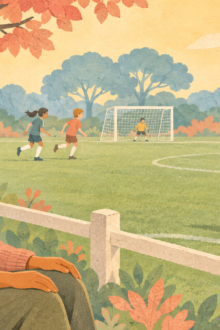
- Go: Move toward a safer place or person if they can. They should not take a dangerous escape route to complete the instruction.
- Tell: Speak to a safe adult when they can. If the first adult does not listen or help, try another.
Make help easy to find
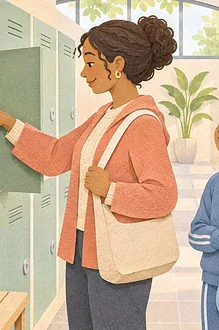
Choose two or three specific adults together, including someone outside the immediate household where possible. Check how the child could reach them. A child can write, draw or use their usual communication support; speaking aloud is not a requirement.
Say plainly, “You can tell me even if you agreed before, accepted a gift, did not say no, or were told to keep it secret.” The child does not have to decide whether something was serious enough before asking for help.
Practise without testing
Use a fictional, low-pressure situation, such as declining an unwanted hug. Invite the child to choose a response or watch you demonstrate. Do not grab them, play an abuser or create a frightening surprise.
Discomfort can be a useful signal, but unsafe behaviour may also feel confusing or seem friendly at first. Talk about boundaries and actions, rather than teaching that a pleasant feeling proves something is safe. These principles apply to known people, peers and online interactions too.
If a child tells you
Listen, thank them and reassure them that they are not to blame. Avoid interrogating them or promising to keep harm secret. Explain the next protective step in simple words and seek appropriate local help. Adults remain responsible for safety.
Correction, 12 November 2026: Removed claims that rehearsal guarantees an automatic response and added reassurance about freezing, delayed disclosure and adult responsibility.