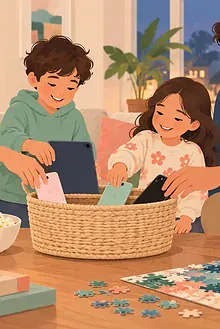
One child takes the blue truck. The other screams and hits. Now there are two children crying, one toy on the floor and a grown-up trying to work out whom to help first. Start by making a little space between the children. You can work out who had the truck later.
Stop the hitting and check for injury
Move between the children if it’s safe. Put the truck down and say, “I won’t let you hit.” Keep the children apart and check the child who was hurt. If you’re on your own, have the other child stay nearby where you can see them. If a second adult is there, ask them to stay with one child while you check on the other.
It’s fine to keep your words short. “I’m helping your brother. I can see you’re upset.” If your toddler is still swinging or throwing, move other people and hard objects out of reach before trying to talk.
offer a time-in once everyone is safe
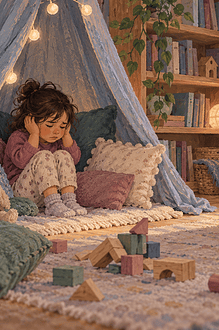
The US Centers for Disease Control and Prevention describes a time-in as staying with a young child and offering calm support while they settle. Try, “I’m going to sit here. You can sit next to me if you want.” Some children want your lap. Others need room. Follow their cues and keep the safety limit in place.
Look for an immediate need too. Was your child halfway through a long wait for lunch? Did the room get loud? A snack, a quieter spot or a rest might be part of what helps. You can take care of that need and still be clear that hitting hurts.
Practise one thing to do next time
When your child can listen, try a simple line. “You wanted the truck. Next time, say ‘my turn’ or ask me to help.” A toddler who uses few words can practise a gesture or bring you over. If the other child is comfortable, invite a small repair, such as bringing an ice pack with you or returning the truck. Give both children room to decide whether they want to be close again. For older siblings, try this short sibling repair script.
Talk to a paediatrician if hitting causes injuries, keeps happening over several weeks or you’re struggling to keep people safe. A few notes on when and where it happens can make that conversation easier.