
You explain. Your child argues. You explain again, this time louder. If that exchange sounds familiar, the appeal of a book about talking and listening is easy to understand.
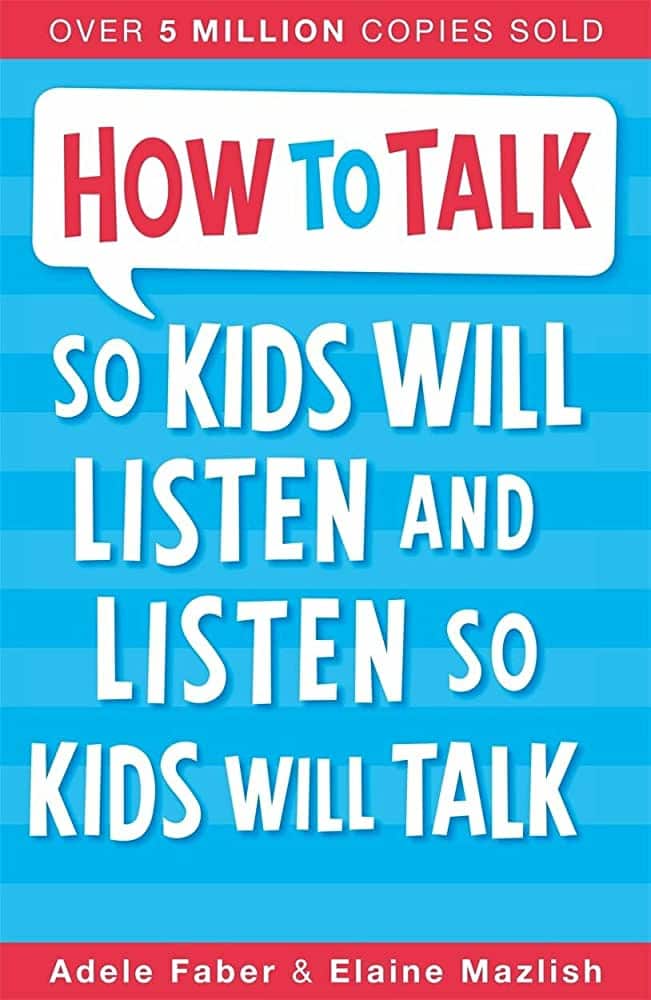
How to Talk So Kids Will Listen & Listen So Kids Will Talk, by Adele Faber and Elaine Mazlish, focuses on everyday communication between adults and children. Its publisher describes an approach to feelings, cooperation, limits, praise and family conflict.
What you will find
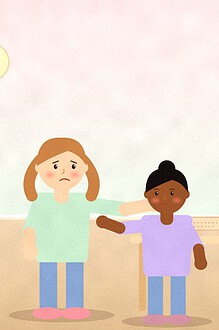
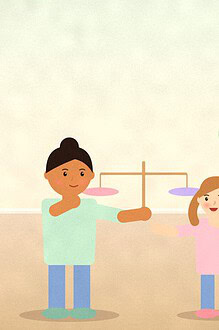
The book uses examples and illustrated exchanges to show how a conversation can change when an adult acknowledges a feeling rather than immediately dismissing it. Its approach also makes room for setting limits and expressing an adult’s frustration without insulting the child.
The distinction is useful: listening does not require agreeing to every request. A parent can take a disappointment seriously while keeping an important boundary.
A manageable way to approach it
- Borrow a copy or read the publisher’s excerpt before buying. See whether the examples and format suit you.
- Choose one recurring conversation, rather than trying to change your whole parenting style at once.
- Write a short response in your own everyday language. A phrase that feels natural is easier to remember than a script you would never normally say.
- Notice what your child actually communicates. A sentence that opens one conversation may feel awkward in another.
- Discuss the approach with other caregivers so a new way of speaking does not become one more disagreement between adults.
Where to be selective
Examples in a parenting book cannot account for every age, family culture, disability or communication style. Adapt the language, pace and format. A child may need a picture, signing, extra processing time or a quieter setting rather than a more polished spoken explanation.
A book also cannot assess the reasons behind serious distress, unsafe behaviour or persistent difficulties. Seek appropriate professional support when those concerns arise.
Is it worth a place on your shelf?
If you want concrete ways to reconsider familiar conversations, the examples offer a useful starting point. If you want a guaranteed phrase that stops every argument, set that expectation aside before opening it. Read a sample, choose one idea and judge whether it helps your family listen to each other.
You do not have to sound like a book. The useful change is making a little more room for the person on the other side of the conversation.