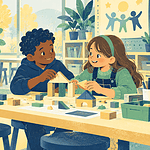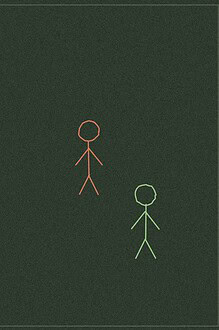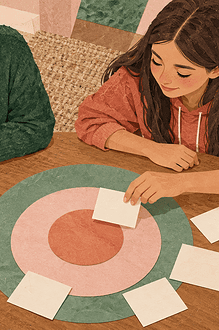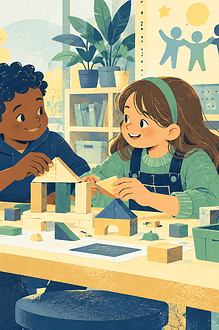
A friendship ending can feel enormous, especially when it held daily routines, shared secrets and belonging. Resist “You’ll make another friend” too quickly. Begin with, “This relationship mattered to you. It makes sense that it hurts.”
Listen without recruiting an enemy
Ask what happened and what your child wants from you. Avoid condemning the former friend; children sometimes reconnect, and a harsh verdict can leave your child embarrassed. Reflect what you hear without deciding who is entirely good or bad.
Separate sadness from unsafe behaviour
A friendship can end without cruelty. But threats, stalking, humiliation, sharing private images or repeated harassment need adult action. Save evidence and involve school or safeguarding support when necessary.
Handle practical loose ends
- Return belongings through a calm, agreed route.
- Mute or pause contact instead of posting a public announcement.
- Change shared passwords and review private albums.
- Plan how to manage shared classes, teams or transport.
Do not force a meeting or apology. If both children want to repair and the situation is equal and safe, an adult can help them agree on one next step.
Make room for grief and ordinary life
Keep sleep, meals, school and favourite activities steady. Offer company without scheduling every minute. A younger child may draw the friendship story; an older child may want privacy, music or a walk. Help widen connections slowly rather than searching for an instant replacement best friend.
Watch the longer pattern
Seek qualified support if distress persists, functioning drops, or your child becomes hopeless, severely withdrawn or unsafe. Take self-harm or suicide talk seriously and seek urgent local help.
Related: building new friendships and low-pressure conversations.
Decide what to say to others
Your child may face questions from classmates or relatives. Help them choose a brief line that protects privacy: “We are not close right now, and I do not want to discuss details.” Discourage recruiting mutual friends to take sides. If rumours spread, involve school with facts rather than asking your child to fight a public campaign.
Mark progress gently
Notice when an afternoon feels lighter or a different connection grows, without implying that sadness should be over. Recovery often moves forward and backward.