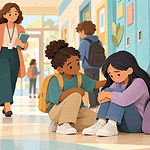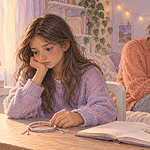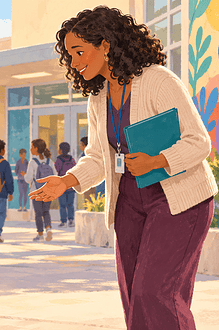
Hearing that your child bullied someone can bring shock, embarrassment or disbelief. Stay calm enough to learn what happened. Taking behaviour seriously does not require defining your child as “a bully.” Behaviour can change, and accountability works better than humiliation.
Gather facts without building a defence
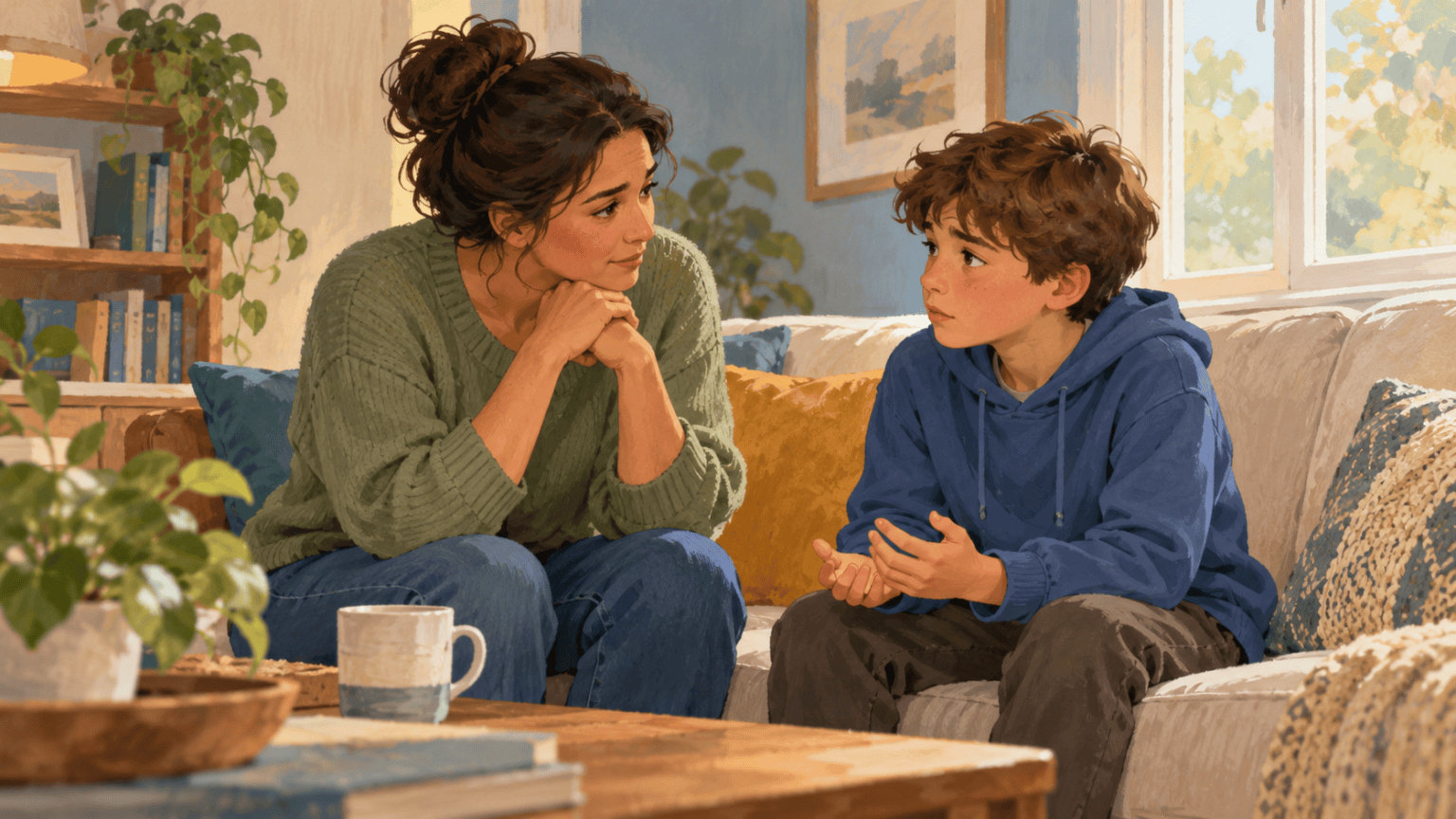
Say, “I heard someone was hurt. I want to understand what happened from the beginning.” Listen, then check information with school. Ask about repetition, power differences, group roles, online behaviour and what adults observed. Do not minimise harm because your child was joking or someone else started.
Stop access to the harmful situation
Work with school on supervision and a concrete plan. Set limits connected to the behaviour, such as restricted access to a group chat used for harassment. Avoid unrelated extreme punishments that teach secrecy rather than responsibility.
Look underneath without excusing
- Were they seeking status or copying peers?
- Are they also being bullied or excluded?
- Do they struggle with anger, empathy or social cues?
- Is stress at home or school increasing?
The reason guides support but does not erase impact. Say, “Feeling angry is allowed. Humiliating someone is not.”
Make repair safe and meaningful
Do not force face-to-face apology or mediation when there is a power imbalance. Ask school what the affected child needs and whether indirect repair is welcome. Your child might correct a rumour, remove content, replace damaged property or write an apology delivered only with consent.
Follow through
Practise alternatives for the next difficult moment and notice real change. Seek qualified help when aggression repeats, your child shows little concern for harm, or there are threats, cruelty, trauma or major behaviour changes. Immediate danger needs urgent local help.
See a calm-down plan and connect before correcting.
Teach the missing skill
Accountability needs a replacement behaviour. Rehearse how to leave a group that is targeting someone, disagree without humiliation, handle jealousy, or ask an adult for help before anger spreads. Practise again after a calm week. Change is shown through repeated safe choices, not a single apology or promise.
Keep communication with school factual and regular. Ask when the plan will be reviewed, what adults will observe and how all children will be protected from retaliation. Your child should know that adults are monitoring progress, not waiting for another serious incident.