By EdCaptain editorial desk · Published
General educational guidance. No qualified clinical review is recorded for this article. Health and safety information.
A present can be welcome while the way it is given feels difficult. A hidden object, noisy paper, several people watching and a request to “show us how happy you are” are separate demands. You can change those arrangements without taking away the thoughtfulness of the gift.
This guide is for caregivers of autistic children aged 3–12. It can help with birthdays, Christmas and other gift-giving occasions. Some children love surprises and wrapping; others want to know exactly what is coming. Start with this child’s preferences rather than a rule about what autistic children should enjoy.
Work out which part needs changing
Think about previous occasions without asking the child to repeat an upsetting experience. Was the difficulty not knowing the contents, tearing the paper, waiting through a pile of gifts, leaving a familiar activity or having an audience? Was the actual gift unwanted or unsuitable?
Northamptonshire Healthcare’s festive guidance identifies gift volume, wrapping and unclear expectations about reactions as possible pressures. It recommends sharing preferences about contents, wrapping and privacy beforehand. Although written by an adult autism team, these are useful questions for caregivers to explore with children; they are not a child-specific treatment plan.
Offer a small, concrete choice through the child’s usual communication: “Would you like to see it before it is wrapped, or have it without paper?” They might point, sign, use a device, choose a picture or tell you. If you are unsure, describe what you have noticed and keep the arrangement easy to change.
Agree with the giver before they buy
Ask a relative to check an idea with you or the child before purchasing it. A wish list can name an exact item when details matter, but it need not be expensive or long. A familiar book, a requested replacement or no gift may fit better than a large surprise.
Check what the giver can realistically offer. If a particular edition, colour or size is unavailable, discuss the alternative instead of promising one thing and presenting another. A photo should show the actual gift where possible, not a similar item that creates a misleading expectation.
Example wording for a relative:
“Thank you for thinking of Noor. Please check the gift idea with us first. Noor would like to know what is inside and receive it without wrapping. We will offer it at a quiet time, and there is no need to wait for a reaction or film the opening.”
Replace those preferences with the child’s own. You can explain the practical request without circulating diagnostic reports or private details.
Choose the packaging separately from the surprise
Autism Hampshire’s Christmas guidance suggests considering unwrapped gifts or a picture of the contents outside a wrapped present, and notes that wrapping can have unpleasant sound, texture or appearance. Your child might like tearing paper when they already know the contents, or prefer no paper at all.
Consider three arrangements:
- No wrapping: show the gift directly, with any necessary adult safety preparation completed.
- Known contents: let the child see the item first, then wrap it only if they want that part.
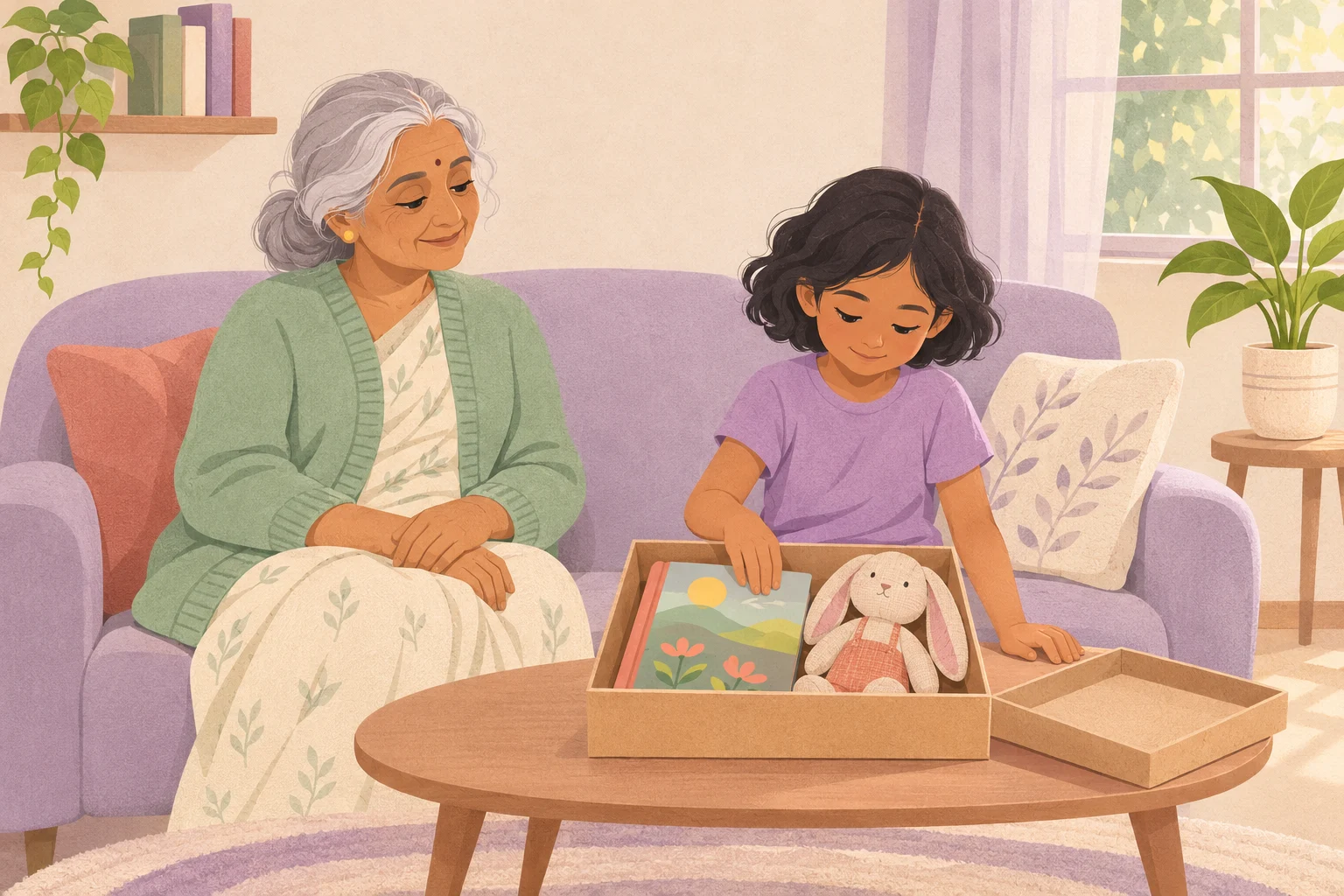
- Easy access: use a simple box with a lid or another format the child can open comfortably, with adult help available.
Do not add several layers as a challenge, hide an unwanted surprise inside a familiar box or turn unwrapping into practice the child must endure. If they like the original arrangement, there is no need to replace it merely because another family does things differently.
Make the plan usable at different ages
Ages 3–5: show the actual object or a clear picture and offer one simple choice at a time. An adult can manage packaging while the child watches, joins in or returns later. Stay nearby and supervise appropriately; “no audience” does not mean leaving a preschooler alone with packaging.
Ages 6–9: ask whether the child wants known contents, a picture outside, adult opening help or one gift now with the others put away. Show where unopened gifts will stay so pausing does not feel as though the present has disappeared.
Ages 10–12: involve the child in what relatives are told, whether a wish list is shared privately, and when or where they receive the gift. They may want to open it without a video call or a group watching. Keep any support they need available without making them explain themselves to every giver.
Use the format that fits the child’s understanding and access, not age alone. Keep their communication system available, including a familiar way to say “help”, “later” or “stop”.
Keep gift-opening out of the spotlight
Offer the gift at an agreed, manageable point rather than interrupting an absorbing activity without warning. Turn down background noise if that helps, clear a small space and let one trusted adult handle relatives’ questions. For broader preparation, our guide to changes and transitions can help make the next step clearer.
If the child pauses or walks away safely, do not follow with the package, start a countdown or insist everyone is waiting. Reduce demands and offer the familiar break arrangement. Later, check whether the contents, packaging or timing needs changing. An unopened present is information about the situation, not proof of ingratitude.
Thanks can happen without a staged reaction. A caregiver can thank the giver now; the child might later choose words, a message or a drawing. Avoid requiring a smile, eye contact, hug or photograph before they can keep the gift. For the whole celebration, see our low-pressure birthday guide.
Let an adult handle the safety checks
The US Consumer Product Safety Commission’s toy guidance advises following age guidance and safety information and removing plastic wrapping and other packaging after opening. Check the actual manufacturer’s instructions before giving a toy. Matching interests or skills does not override a safety age label.
Adults should handle scissors and difficult fastenings and clear packaging promptly. Keep small parts away from children under three who may be nearby. An easy-opening box does not make an unsuitable toy safe.
If distress remains severe despite changes, or there is new pain or a marked change in how your child manages familiar situations, discuss your observations with a qualified professional. Seek urgent local help for immediate danger or serious injury. The aim is a comfortable, safe way to receive care from others, not a perfect gift-opening scene.
Sources and further reading
- Northamptonshire Healthcare NHS Foundation Trust: planning festive preferences
- Autism Hampshire: gifts, wrapping and individual preferences
- CPSC: toy age guidance and packaging safety
Read our editorial policy and review methodology.